(864) 206-5620

Across South Carolina, many homes are rich in history and charm, especially in established cities like Greenville. From century-old bungalows to mid-century neighborhoods, these properties showcase the region’s character. Yet behind their walls and beneath their foundations, many of these homes share one common problem: aging plumbing systems that struggle to keep up with modern demands.
Older homes often rely on outdated materials such as cast iron or clay sewer lines, which can corrode, shift, or collapse over time. Combine that with South Carolina’s humid climate, dense tree roots, and shifting soil, and you have the perfect conditions for recurring sewer and drain issues.
These problems rarely appear overnight. Slow drains, unpleasant odors, and frequent backups often build up quietly before turning into costly repairs. For homeowners, that means potential water damage, health risks, and expensive emergency calls.
The good news is that modern plumbing solutions can restore flow and prevent future disruptions. In this blog, we’ll explore the most common causes of sewer and drain problems in older homes, how they impact daily life, and the best ways to protect your property from recurring plumbing headaches.
What Causes Sewer and Drain Problems in Older Homes?
Plumbing systems age just like the homes they serve. Over time, materials weaken, joints shift, and buildup occurs inside pipes. In many South Carolina homes, especially those built before the 1980s, plumbing materials and underground conditions make drain and sewer problems more likely.
Common causes include:
- Aging Pipe Materials: Older homes often have cast iron, clay, or galvanized steel pipes. These materials naturally corrode or crack after decades of exposure to moisture and shifting soil.
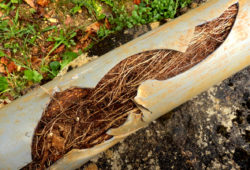
- Tree Root Intrusion: Large oaks and pines, common throughout Greenville and the Lowcountry, send roots searching for water. They can break through small cracks in pipes, causing severe blockages.
- Soil Movement and Settling: Shifting or expansive clay soils can push pipes out of alignment. This movement creates dips, cracks, and separations that lead to leaks or backups.
- Grease and Mineral Buildup: Decades of use lead to layers of grease, soap scum, and hard water minerals coating the inside of drain lines, reducing flow.
- Poor Ventilation or Outdated Design: Older plumbing systems were not built to handle modern appliances and water pressure, making backups and gurgling drains more common.
Each of these problems can cause slow drainage, frequent clogs, and even complete sewer blockages if left untreated. Because older systems often fail gradually, homeowners may not notice damage until the issue becomes serious.
Regular inspections, professional cleaning, and replacing outdated materials can help prevent these common causes from turning into major repairs.
How to Recognize the Early Warning Signs of Sewer or Drain Trouble
Older plumbing systems rarely fail all at once. Most sewer and drain problems develop slowly, giving homeowners subtle signs before major issues appear. Recognizing these early warnings can save you from costly repairs and water damage.
Common signs of developing sewer or drain issues include:
- Slow drains: Sinks, tubs, or showers that take longer to empty may indicate buildup or a blockage deeper in the line.
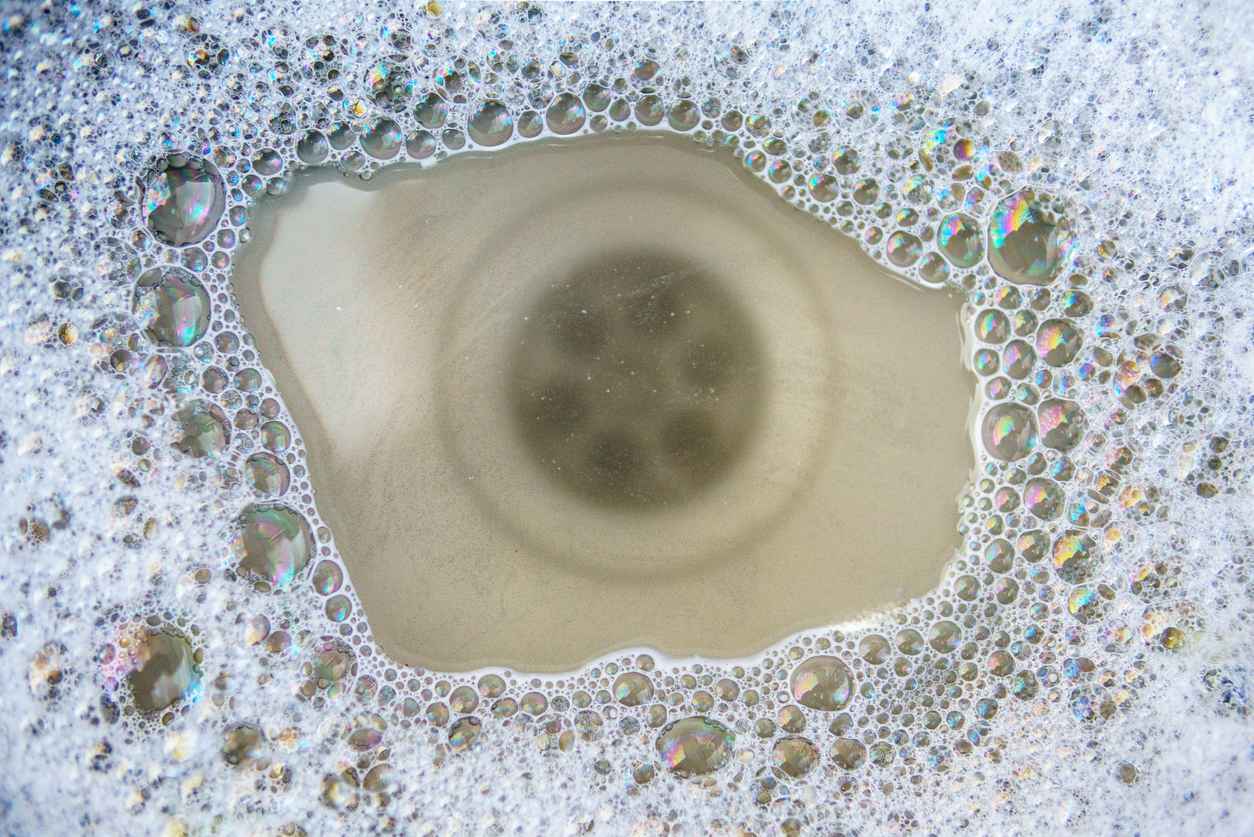
- Gurgling or bubbling sounds: Air trapped by clogs or venting problems can cause unusual noises when water drains.
- Frequent clogs or backups: Recurring blockages in different drains often point to a main sewer line issue, not just a localized clog.
- Foul odors: A persistent sewage smell inside or outside your home can signal a broken or leaking sewer line.
- Soft or soggy yard areas: When underground pipes leak, wastewater can saturate the soil above, creating damp patches or even sinkholes.
If you notice one or more of these warning signs, it’s best to schedule a professional inspection. Plumbers can use camera technology to locate the issue precisely without tearing up your yard or floors. Catching small cracks, root intrusions, or buildup early often prevents full pipe replacement later.
Homeowners across South Carolina, especially in Greenville’s older neighborhoods, benefit from routine inspections to keep plumbing systems healthy and flowing smoothly.
Why Greenville and Other South Carolina Cities See More Plumbing Failures
Across South Carolina, cities like Greenville, Charleston, and Columbia are home to many aging neighborhoods. These communities have charm, character, and strong curb appeal, but they also share a common challenge: older infrastructure. Plumbing systems that were installed decades ago are now reaching the end of their lifespan.
In Greenville, many mid-century and early 20th-century homes still rely on clay or cast iron sewer lines. These materials are vulnerable to cracking and corrosion, especially when combined with the area’s soil conditions. The region’s red clay soil expands when wet and contracts when dry, putting constant pressure on underground pipes. Over time, that movement can create gaps, misalignments, and leaks.
Several factors make plumbing failures more common in Greenville and other South Carolina cities:
- Aging neighborhoods: Homes built before modern plumbing standards often have outdated or undersized lines.
- Heavy rainfall and high water tables: Frequent storms and moisture increase soil movement and stress on buried pipes.
- Tree-lined streets: Root systems from mature trees can break into pipes and cause major blockages.
- Seasonal temperature changes: Shifting weather patterns cause soil to expand and contract, which can displace or fracture older pipes.
Because many homeowners love the character of older properties, these plumbing issues often come with the territory. However, regular inspections, cleaning, and timely repairs help preserve both the charm and functionality of these historic homes.
Best Solutions for Sewer and Drain Problems in Older Homes
Modern technology makes it easier than ever to repair and maintain older plumbing systems without major disruption. Homeowners across South Carolina, especially in Greenville, can now choose from a range of options that restore flow, prevent damage, and protect the integrity of their property.
Here are some of the most effective solutions for aging drain and sewer systems:
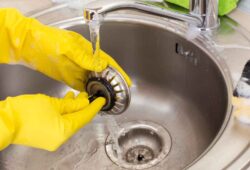
- Professional Drain Cleaning: Regular cleaning removes buildup from grease, soap, and minerals that narrow pipes over time. Plumbers often use high-powered hydro jetting to clear debris and restore full flow.
- Trenchless Sewer Repair: This minimally invasive method fixes underground pipes without tearing up your yard. Techniques such as pipe lining or pipe bursting create a new, durable interior layer within the existing pipe.
- Camera Inspections: Small video cameras allow plumbers to inspect drain lines from the inside, identifying cracks, roots, and buildup before they cause major backups.
- Root Removal Treatments: For homes surrounded by trees, specialized root-killing products and hydro jetting can keep lines clear and prevent re-growth.
- Pipe Replacement: In severely damaged systems, replacing old clay or cast iron pipes with PVC or other modern materials provides a long-term solution and better resistance to corrosion.
Short-term fixes like plunging or chemical cleaners may provide temporary relief but can worsen the problem over time. Professional inspection and repair ensure your plumbing system stays reliable and efficient.
The best approach is a combination of preventive maintenance and smart upgrades. Homeowners who invest in these modern techniques often see fewer emergency calls, lower repair costs, and improved water flow throughout the home.
Preventing Future Plumbing Problems in South Carolina Homes
Preventing sewer and drain issues in older homes starts with routine care and professional attention. South Carolina’s humid climate and shifting soil conditions make plumbing maintenance especially important for long-term home protection.
Even if your drains seem to be working fine, small leaks or minor buildup can quickly develop into larger problems. Regular inspections and cleanings help detect these issues early and save homeowners from expensive repairs later.
Simple steps to prevent plumbing problems include:
- Schedule annual drain cleanings. Professional hydro jetting or snaking removes buildup that causes slow drains and backups.
- Book a camera inspection once a year. This allows plumbers to spot cracks, root growth, or misalignments before they worsen.
- Avoid chemical drain cleaners. These products can corrode old pipes and cause more harm than good.
- Watch what goes down the drain. Dispose of grease, coffee grounds, and paper products in the trash, not the sink.
- Upgrade outdated materials. Replacing old clay or cast iron pipes with PVC improves durability and reduces corrosion risk.
- Check water pressure regularly. High water pressure can stress old pipes and lead to leaks or bursts.
Consistent maintenance not only prevents emergencies but also extends the life of your plumbing system. Greenville homeowners who schedule yearly inspections and cleanings enjoy smoother operation, fewer disruptions, and better overall home efficiency.
Protecting Comfort and Home Value Through Proactive Plumbing Care
Older homes across South Carolina carry timeless character and beauty, but their plumbing systems often need extra care to stay reliable. Issues like slow drains, sewer backups, and corrosion can quietly disrupt your home’s comfort and safety if left unaddressed. With the right mix of maintenance, professional inspection, and modern repair methods, these problems are entirely manageable.
Homeowners in Greenville and beyond can prevent costly damage by staying proactive. Regular drain cleaning, camera inspections, and timely pipe repairs all go a long way toward protecting your property’s value and keeping daily life running smoothly.
When plumbing issues do arise, Preferred Home Services is ready to help. Our experienced team understands the unique needs of older South Carolina homes and uses advanced technology to restore flow quickly and efficiently.
Contact Preferred Home Services today to schedule expert drain cleaning or plumbing repair in Greenville and upstate South Carolina. Keep your home’s plumbing strong, your drains clear, and your comfort uninterrupted.
Frequently Asked Questions About Sewer and Drain Problems in Older South Carolina Homes
How often should I schedule professional drain cleaning in an older home?
Most older homes benefit from professional drain cleaning at least once a year. In areas with heavy tree growth or clay soil, such as Greenville, twice-yearly maintenance may be ideal to prevent clogs and root intrusion.
What plumbing materials last the longest in South Carolina’s climate?
PVC and ABS pipes perform best in humid, shifting soil conditions. They resist corrosion and cracking better than older materials such as clay or cast iron, making them a smart long-term replacement choice.
Are trenchless sewer repairs reliable for older homes?
Yes. Trenchless methods like pipe lining and bursting are durable, minimally invasive, and ideal for preserving historic landscapes. These solutions can extend a pipe’s life by several decades with minimal digging or disruption.
What should I do if multiple drains in my home are slow?
When several drains slow down at once, the issue is likely in the main sewer line rather than individual fixtures. Call a professional plumber for a camera inspection to locate and resolve the blockage safely.
Can heavy rain cause sewer backups in older neighborhoods?
Yes. South Carolina’s frequent storms can overwhelm older drainage systems, especially if cracks or misalignments exist in the pipes. Installing a backwater valve and scheduling preventive maintenance can help protect against rain-related backups.