(864) 206-5620

Greenville’s winters may be mild compared to those farther north, but even short cold snaps can wreak havoc on your home’s plumbing. Freezing nights, fluctuating temperatures, and unexpected storms can put significant stress on pipes, fixtures, and water heaters.
Many homeowners assume that plumbing problems only happen in areas with harsh winters, but Greenville’s unpredictable weather can cause just as much trouble. When temperatures dip, pipes can freeze and burst, water heaters work harder than usual, and outdoor plumbing becomes especially vulnerable to damage.
In this blog, we’ll cover the most common winter plumbing issues faced by Greenville homeowners and explain when it’s best to call a professional plumber. With a few preventive steps and timely maintenance, you can keep your home protected from cold-weather surprises all season long.
How Winter Weather Impacts Greenville Plumbing
Greenville winters may not bring months of snow, but the area’s fluctuating temperatures and occasional cold snaps can still cause major plumbing issues. When the temperature drops below freezing, even for a short time, water in your pipes can expand and lead to cracks, leaks, or full pipe bursts once it thaws.
Here’s how winter weather affects plumbing in Greenville homes:
- Frequent Temperature Swings: Rapid changes between warm days and freezing nights cause pipes to expand and contract, putting stress on joints and seals.
- Unexpected Freezes: Greenville’s mild climate means many homes aren’t fully winterized, making exposed pipes in crawl spaces or attics more prone to freezing.
- Cold Ground Temperatures: Shallow or uninsulated underground pipes are at risk of freezing when soil temperatures drop for several days in a row.
- Increased Water Heater Demand: Cold incoming water forces your water heater to work harder, which can strain older units or cause sediment buildup to surface.
- Higher Moisture Levels: Winter humidity and rain can lead to excess condensation, rust, and corrosion on exposed pipes, particularly in basements and crawl spaces.
These factors combine to make Greenville homes particularly vulnerable to cold-weather plumbing problems. Knowing how winter impacts your system helps you prepare before the next temperature drop catches you off guard.
The Most Common Winter Plumbing Issues
Even a short freeze in Greenville can trigger plumbing problems that lead to costly repairs. Knowing what to look for helps you take quick action before small issues turn into major emergencies.
Here are the most common plumbing problems Greenville homeowners face during the winter:
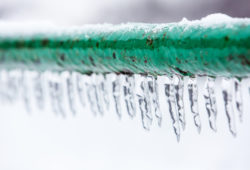
- Frozen or Burst Pipes: When temperatures drop below freezing, water inside your pipes can solidify and expand, putting pressure on joints and causing pipes to crack or burst once they thaw.
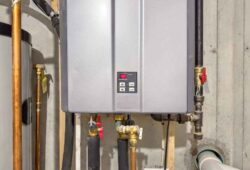
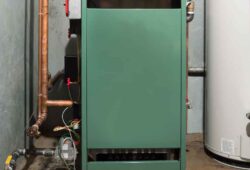
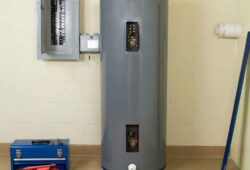
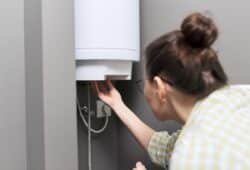
- Water Heater Strain or Failure: Cold water entering the system forces your water heater to work harder. Sediment buildup, aging parts, or increased demand can cause poor heating or system breakdowns.
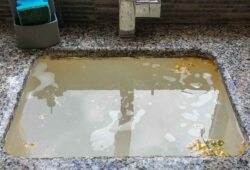
- Slow or Clogged Drains: Cooler weather causes grease, oils, and soap residue to thicken in pipes, leading to slow drainage or blockages. Holiday cooking and gatherings often make this problem worse.
- Leaky Fixtures and Valves: Metal contracts in colder temperatures, which can loosen fittings and seals. Small drips may seem minor but can lead to higher water bills and long-term water damage.
- Outdoor Plumbing Damage: Hose bibs, sprinkler systems, and exterior water lines often freeze because they’re exposed to outdoor air. Once the ice melts, cracks or leaks become apparent.
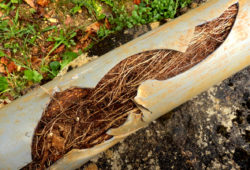
- Sewer Line Problems: Freezing temperatures and shifting soil can cause older sewer pipes to crack or sag. In some cases, cold weather triggers backups or foul odors inside the home.
Each of these issues can cause serious inconvenience or damage if left unchecked. Paying attention to early warning signs, like slow drains, reduced water pressure, or odd noises, can help you act before a full-blown plumbing emergency occurs.
When to Handle It Yourself (and When Not To)
Some minor plumbing problems can be handled with simple DIY fixes, but others require professional attention to prevent further damage. Knowing the difference can save you time, money, and unnecessary stress during Greenville’s colder months.
Safe DIY Fixes for Homeowners
- Thawing Small Freezes: If only a small section of pipe is frozen, open the faucet and gently warm the pipe with a hair dryer or warm towel. Never use open flames or space heaters.
- Replacing Faucet Washers or Seals: Dripping faucets caused by worn washers or seals can often be repaired with basic tools.
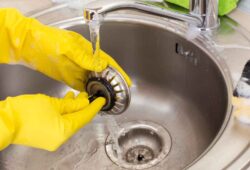
- Clearing Simple Clogs: Use a plunger or a drain snake to clear minor sink or shower clogs. Avoid harsh chemical drain cleaners, which can corrode pipes.
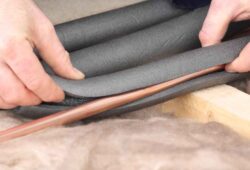
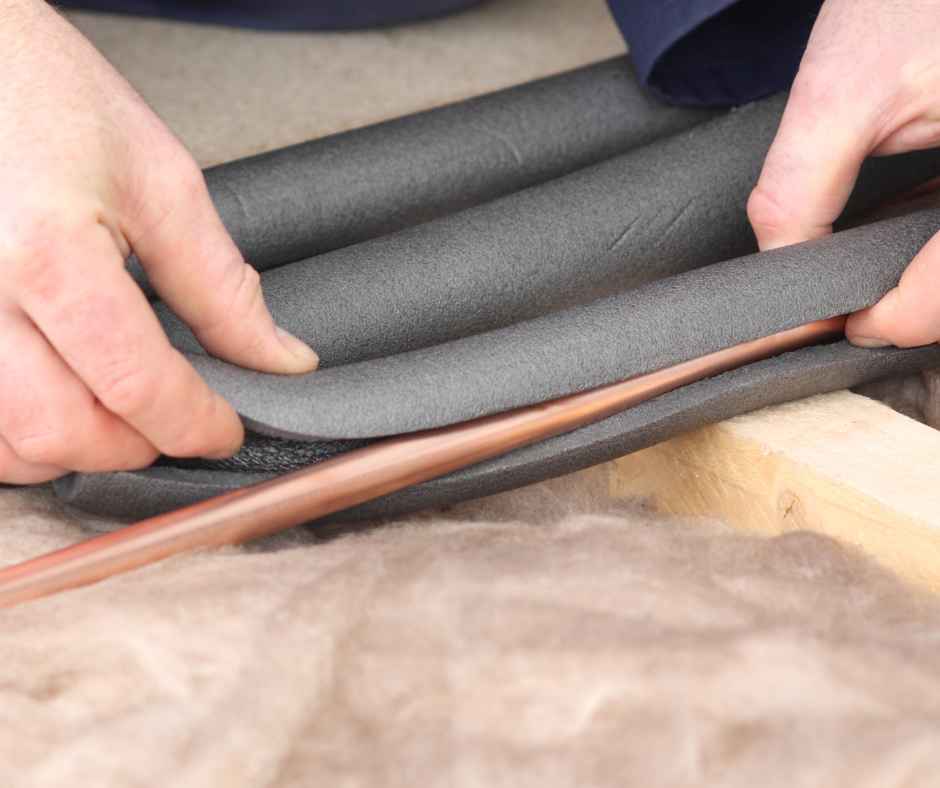
- Insulating Exposed Pipes: Adding foam insulation or heat tape to accessible pipes is an easy and affordable preventive step.
When to Call a Professional Plumber
- Burst or Cracked Pipes: A burst pipe can release hundreds of gallons of water quickly. Shut off your main water valve and contact a licensed plumber immediately.
- Persistent Leaks: If a leak returns after you tighten a fitting or replace a washer, it could indicate corrosion or hidden damage that needs expert repair.
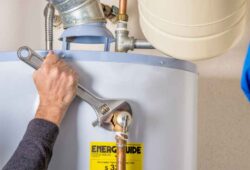
- Water Heater Failures: Strange noises, discolored water, or no hot water at all require professional diagnosis to avoid dangerous malfunctions.
- Sewer or Drain Line Backups: Slow drains in multiple fixtures often point to a serious clog or broken pipe that needs specialized equipment to clear safely.
When in doubt, it’s always safer to call a professional. Quick DIY fixes can help temporarily, but expert service ensures the root cause is resolved and your plumbing stays reliable throughout the winter.
How Professional Plumbers Solve Winter Problems
When cold weather hits Greenville, plumbing issues can escalate fast. A professional plumber has the training, tools, and experience to identify problems accurately and fix them safely before they cause extensive damage.
Professional Tools and Techniques
- Thermal Imaging: Detects cold spots and hidden leaks inside walls or crawl spaces before a pipe bursts.
- Camera Inspections: Small, flexible cameras are inserted into drains or sewer lines to locate blockages, cracks, or root intrusion.
- Pressure Testing: Checks your plumbing system for weak points and small leaks that may not be visible.
- Advanced Leak Detection: Uses sound and moisture sensors to pinpoint the exact location of a leak without damaging walls or floors.
- Water Heater Diagnostics: Technicians test heating elements, thermostats, and sediment levels to ensure your water heater performs efficiently in colder months.
Why Professional Repairs Make a Difference
- Accurate Diagnosis: Professional plumbers can find the source of an issue quickly and repair it correctly the first time.
- Permanent Fixes: Unlike temporary DIY solutions, professional repairs use durable materials designed to withstand Greenville’s winter conditions.
- Preventive Recommendations: Plumbers can spot early warning signs and suggest upgrades or maintenance to prevent repeat problems.
- Emergency Response: If a pipe bursts or your water heater fails, local experts like Preferred Home Services provide fast, 24/7 emergency service to minimize damage.
Calling a professional as soon as you notice an issue protects your home from further damage and saves you money in the long run. Winter plumbing problems rarely fix themselves, and quick expert attention ensures your system stays reliable no matter how cold it gets.
How to Prevent Winter Plumbing Issues
Taking preventive steps before temperatures drop is the easiest way to avoid costly plumbing emergencies during Greenville’s colder months. A few simple habits and seasonal maintenance tasks can protect your home from frozen pipes, leaks, and water heater breakdowns.
Here’s how to prevent the most common winter plumbing problems:
- Insulate Exposed Pipes: Wrap pipes in crawl spaces, basements, garages, and along exterior walls with foam insulation or heat tape. This helps prevent freezing and bursting during cold nights.
- Disconnect Outdoor Hoses: Remove and drain garden hoses, then shut off outdoor water supply lines. Frozen water left in outdoor connections can cause pipes to crack.
- Drain and Protect Sprinkler Systems: Have irrigation lines professionally winterized to prevent underground pipe damage.
- Flush the Water Heater: Sediment buildup reduces heating efficiency and increases the risk of failure. Flushing your water heater before winter improves performance and longevity.
- Seal Drafts and Openings: Check for air leaks around windows, doors, and crawl spaces where cold air can reach pipes. Seal gaps to maintain stable indoor temperatures.
- Run Faucets During Freezes: On particularly cold nights, let faucets drip slowly to keep water moving through the pipes.
- Schedule a Plumbing Inspection: A licensed plumber can identify weak spots, corrosion, or insulation issues before they lead to winter damage.
Preventive maintenance not only helps you avoid mid-winter plumbing emergencies but also improves energy efficiency and extends the lifespan of your entire plumbing system.
Protect Your Greenville Home from Winter Plumbing Problems
Even though Greenville’s winters are relatively short, they can still cause major damage to unprotected plumbing systems. Frozen pipes, water heater failures, and clogged drains can appear suddenly and lead to costly repairs if not addressed quickly. Preparing your home before cold weather arrives is the best way to prevent those unexpected emergencies.
Taking simple steps like insulating exposed pipes, draining outdoor lines, and flushing your water heater can make a big difference. And when a problem does arise, knowing when to call a professional can save you time, money, and stress.
For reliable, fast, and friendly plumbing service in Greenville, contact Preferred Home Services. Their experienced team can inspect your system, make necessary repairs, and ensure your plumbing is winter-ready. Schedule your seasonal plumbing maintenance today and keep your home protected all winter long.
Frequently Asked Questions About Winter Plumbing in Greenville
Can pipes really freeze in Greenville’s mild winters?
Yes. Even though Greenville doesn’t experience long freezes, overnight temperatures can still drop below 32°F. Pipes in unheated areas like crawl spaces, garages, or exterior walls are at high risk of freezing and bursting.
How can I tell if my pipes are starting to freeze?
Common signs include slow or no water flow, unusual clanking or banging noises, and visible frost on exposed pipes. If you suspect a pipe is frozen, shut off your main water supply and call a professional plumber immediately.
Why does my water heater work harder in winter?
Colder incoming water takes longer to heat, forcing your water heater to run longer cycles. This added demand can expose sediment buildup or failing components, especially in older systems. Regular flushing helps prevent strain and extends lifespan.
What should I do if a pipe bursts in my home?
Turn off your main water valve right away to stop the flow of water. Then, shut off electricity in affected areas and contact a licensed plumber for emergency service. Quick action limits water damage and repair costs.
When should I schedule a plumbing inspection in Greenville?
The best time to schedule an inspection is in the fall before temperatures drop. A professional plumber can identify weak spots, add insulation where needed, and make repairs to prevent winter plumbing emergencies.