Serving Charleston, Greenville, & Columbia Areas





Trusted by 7952+ Customers
Home EV Charger Installation in Charleston, Greenville, and Columbia
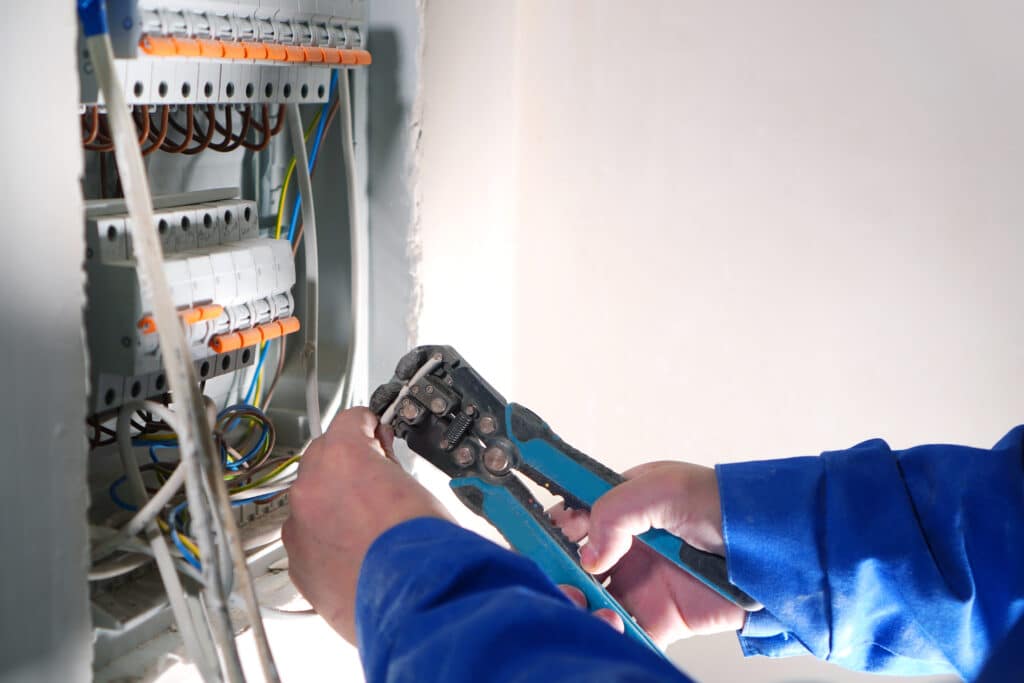
Charging at home should fit your driving routine, parking arrangement, and electrical system. A well-planned installation gives you a convenient place to plug in without stretching a cable across a walkway or installing more charging capacity than you need.
At Preferred Home Services, we install residential EV charging stations throughout the Charleston, Greenville, and Columbia areas. Our licensed electricians assess the proposed equipment, available electrical capacity, and installation location before recommending a solution. From a garage-mounted Level 2 charger to an outdoor charging station beside the driveway, we plan the work around your property and vehicle.
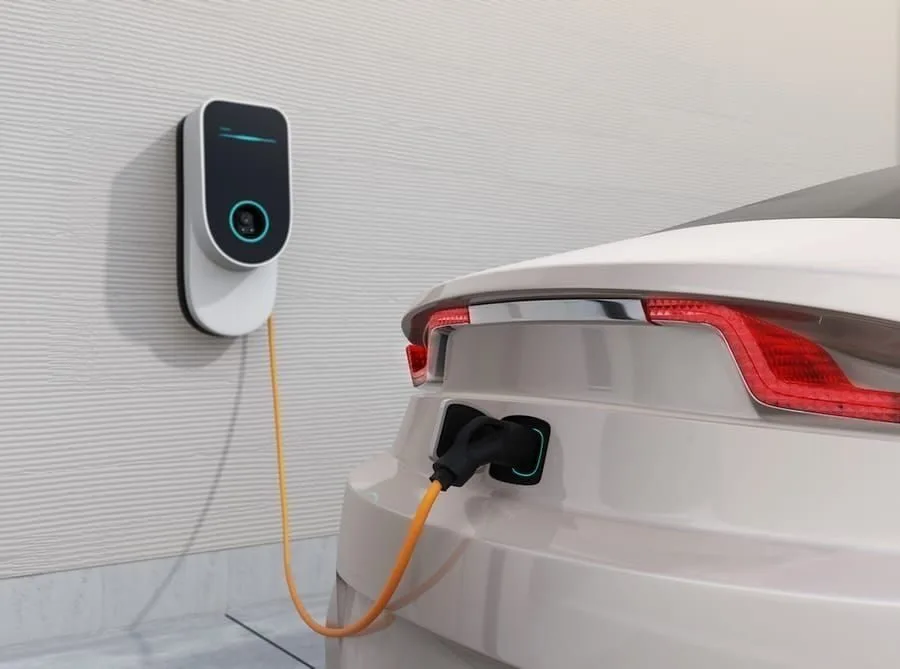
Choosing the Right Home Charging Setup
The best charging setup is one that replaces the energy you use between charging sessions. Your daily mileage, time parked at home, vehicle capabilities, and electrical capacity all matter more than choosing the highest-output charger available.
Level 1 Charging
Level 1 charging uses a compatible charging cord connected to a suitable 120-volt receptacle. It may meet the needs of some plug-in hybrid owners and drivers with shorter daily trips, provided the vehicle has enough time to recharge.
An available outlet is not automatically suitable for prolonged charging. We can evaluate its condition, grounding, circuit loading, and the charging equipment’s requirements before you rely on it.
Level 2 Charging
Level 2 home charging uses a 240-volt supply and offers higher charging output than Level 1. It can be useful for longer daily drives, shorter overnight charging windows, and households that want more flexibility between trips.
Level 2 equipment comes in different output ratings. We help match the installation to your needs and the vehicle’s onboard charging capability, since a higher-output station cannot make a vehicle accept power beyond its own limit.
Vehicle and Connector Compatibility
Before equipment is selected, we confirm the vehicle’s charging connection and the charger’s compatibility. Home AC charging equipment may use J1772 or NACS, also known as J3400, depending on the vehicle and product.
Connector shape is only part of the decision. We also review installation requirements, charging output, cable reach, and any manufacturer-approved adapter arrangements relevant to the setup.
Can Your Electrical System Support an EV Charger?
EV charging can add a substantial load that operates for several hours. We evaluate that demand alongside the home’s existing appliances, heating and cooling equipment, and other electrical loads.
Our assessment considers:
-
The home’s electrical service capacity and calculated demand
-
Panel condition and suitable space for the required circuit
-
The charger’s selected output and installation requirements
-
Circuit length, wiring route, and installation environment
-
Other planned electrical equipment or future charging needs
-
Whether compatible load management is appropriate
An empty breaker space does not establish that the service has enough capacity. Likewise, an older home does not automatically need a service upgrade to support charging. We explain whether the proposed installation can use existing capacity or requires electrical panel improvements.
Charging With Available Capacity
A lower-output Level 2 installation may provide enough overnight charging without the demands of a higher-output unit. In suitable installations, compatible load-management equipment can also adjust charging demand in response to other household loads.
These options need to be evaluated as part of the electrical design. We explain their capabilities and limitations so you can compare them with a service upgrade.
Hardwired Chargers and Plug-In Installations
A hardwired charging station connects directly to its branch-circuit wiring. A plug-in model connects through a compatible receptacle and must be installed according to the equipment instructions and applicable electrical requirements.
We assess the selected charger before recommending either arrangement. For receptacle-based installations, the outlet, enclosure, circuit protection, and connections must be suitable for the charging load. Hardwired equipment also needs appropriate protection, mounting, and wiring.
An existing dryer or garage outlet should not be assumed suitable simply because a charging plug fits. We review the circuit and equipment requirements before recommending its use, and we do not plan installations around extension cords or improvised adapters.
EV Charger Placement That Works With Your Parking
The shortest route from the electrical panel is not always the most useful charger location. We consider where you normally park, the position of the vehicle’s charge port, and whether the cable can reach without being stretched or creating an obstruction.
Garage storage, door tracks, shelving, and the possibility of a second vehicle also affect placement. We plan mounting and cable storage so the equipment remains accessible during everyday use.
Outdoor Charging Stations
Outdoor installations require equipment rated for the exposure and installed according to the manufacturer’s instructions. We evaluate the mounting surface, rain exposure, drainage, wiring protection, and potential contact with vehicles or yard equipment.
For properties with flood exposure, placement requires additional consideration beyond selecting an outdoor-rated charger. We assess the proposed location and applicable requirements before finalizing the installation.
Detached Garages and Separate Parking Areas
Charging away from the main house can involve a longer circuit route, trenching, or evaluation of an existing feeder and subpanel. Those conditions affect the electrical design and installation scope.
Our wiring and rewiring services can support the necessary circuit work. We explain access requirements and any anticipated disturbance to finished surfaces or landscaping before installation begins.
Our EV Charging Station Installation Process
We begin with the vehicle and your charging routine, then assess how the equipment will connect to the house. This gives you a proposal based on the actual installation rather than an assumed standard setup.
Discuss Your Charging Needs
We ask about daily driving, time available for charging, the selected vehicle, and future plans. If you have already purchased a charger, we review its specifications before confirming the installation scope.
Evaluate the Electrical System
Our electricians assess the panel, available capacity, proposed circuit, and accessible components relevant to the work. Where the home has an uncertain electrical history or visible concerns, an electrical safety inspection may help establish what needs attention.
Plan the Circuit and Equipment Location
We determine the wiring route, mounting location, circuit protection, and any supporting electrical improvements. We also identify applicable permit and inspection requirements and explain scheduling considerations.
Install and Check Operation
We install the specified circuit and charging equipment, configure applicable output settings, and perform appropriate checks. When the vehicle is available, we can also verify that it initiates charging with the completed setup.
Review Everyday Use
We explain the installation, cable storage, and relevant operating indicators. Where the equipment includes scheduling or connected features, we review the manufacturer’s setup requirements and distinguish those settings from the electrical installation itself.
Charleston Area EV Charging for Driveways, Carports, and Coastal Properties
Charging plans in the Charleston area often begin with a practical question: where does the vehicle actually stay overnight? A driveway beside an older Charleston house presents different wiring options from an attached garage in Summerville or a carport beneath an elevated James Island home. We assess the route from the panel to that parking location, including access through existing construction and a mounting position that keeps the cable clear of entrances and walking paths.
In Mount Pleasant, West Ashley, North Charleston, and nearby communities, outdoor exposure can be just as important as circuit capacity. Properties near saltwater need careful equipment selection and attention to exposed hardware, while low-lying locations require consideration of drainage and flood exposure. We also discuss the household’s charging window, whether it follows a commute along I-26 or trips between home, work, and school. That helps establish a useful charging output without assuming every Lowcountry driver needs the same installation.
Greenville Area EV Chargers for Commuting and Shared Garage Space
For households traveling between Greenville, Greer, Taylors, Mauldin, and Simpsonville, charging needs depend on the miles driven and the hours available at home. Someone returning from a longer I-85 or I-385 commute may need a different setup from a driver making shorter local trips. We use that routine, together with the vehicle’s capabilities, to recommend an appropriate charging level.
Garage use can complicate the installation in ways that are easy to overlook. A workshop, freezer, storage shelves, and two parked vehicles may leave little usable wall space near the electrical panel. We plan around those conditions rather than placing the charger where the installation appears easiest. For older Greenville properties with detached garages, we also evaluate the existing electrical feed before adding charging equipment. If a second EV is a possibility, we can discuss compatible power-sharing arrangements and circuit planning before the first station is installed.
Columbia Area EV Charging Alongside Summer Cooling Demand
A Columbia-area charging assessment needs to account for the other equipment operating while the vehicle is plugged in. During the Midlands’ long cooling season, air conditioning may run well into an evening charging session. We evaluate those loads together, including electric water heating, cooking equipment, or other substantial appliances, rather than assuming nighttime charging means the rest of the home is using little electricity.
For homes in Lexington and Irmo, future plans may include a second EV or additional electric appliances, while an established property in Forest Acres, West Columbia, or Cayce may first need a practical wiring route to its parking area. We address those questions before equipment is selected. A suitable charging output, compatible load management, or a revised installation location may offer a useful solution without unnecessary electrical work. When additional capacity is needed, we explain the supporting upgrades and how they affect the project.
Planning for Surge Protection and Existing Electrical Problems
An EV charging station adds electronic equipment that is worth considering as part of the home’s broader protection plan. We can evaluate whole-home surge protection alongside the charging installation and explain what protection it provides.
Existing breaker trips, damaged outlets, or intermittent power require separate investigation. Our electrical repair services can address those concerns before charging equipment is connected. Installing a new charger does not correct a fault elsewhere in the electrical system.
What Affects EV Charger Installation Cost?
Installation cost depends on the equipment and the work needed to connect it safely. A charger mounted near a suitable panel has a different scope from one requiring a long wiring run, trenching, or changes to service equipment.
We assess the circuit requirements, access, mounting conditions, permit requirements, and any supporting upgrades before providing a proposal. Selecting equipment after that assessment can help avoid purchasing a charger whose output or installation requirements do not suit the property.

Schedule Home EV Charger Installation
Preparing for home charging is easier when the equipment and electrical work are planned together. We provide residential electrical services that support the complete installation, from evaluating existing capacity to adding the required circuit and mounting the charging station.
Contact Preferred Home Services to schedule an EV charger installation assessment in the Charleston, Greenville, or Columbia area. We will help you plan a charging setup around your vehicle, parking location, and daily routine.
$500 Off
New Electrical PanelDisclaimer

How Can We Make You Smile Today?
Frequently Asked qUESTIONS
Expert Answers To Common Questions
TESTIMONIALS
Hear From Our Satisfied Customers
GianLuca Siciliano
2 days ago

Very attentive, detailed screening and photo collection provided
Catherine Johnson
4 days ago
Chris was super helpful! We did a free plumbing inspection and he didn’t try to “create” problems only told us what actually needed to be fixed. Definitely recommend the company, we have had nothing but kindness and knowledge from all techs from HVAC to plumbing.
Ernest Nickerson
4 days ago
Noah, Garrett,Jacob,Mac where very friendly and nice, Noah explained everything in detail.
Dan & Fran Sherry
4 days ago
Jonathan and Hunter did a great job. They were meticulous and efficient in their work. They left the worksite clean and in good order when the job was done
Catherine Johnson
5 days ago
Chris was super helpful! We did a free plumbing inspection and he didn’t try to “create” problems only told us what actually needed to be fixed. Definitely recommend the company, we have had nothing but kindness and knowledge from all techs from HVAC to plumbing.
Al Schneider
5 days ago
Bryson and Toni were awesome! Couldn't ask for any two better. They got the job done the way it should be done.
Bonnie Walski
5 days ago
Your company is great, your technician Corey, is the reason why!!!!!
Douglas Keel
5 days ago
Eric was great!!! Explained everything and went over our options for future service and repair. Will contract soon!
Karen Mims
5 days ago
Austin was very thorough and went over everything he did and pointed out anything that needed attention.
Patrica Lindros
5 days ago
Griffin was very knowledgeable, efficient, and committed to helping me. He truly understood what my needs were and met my expectations. Trustworthy
Penny Fry
6 days ago
UPDATE: Even after several years of service from Preferred Home, we are very happy and satisfied with them. Communication has not wavered at all, and the techs are always on time, courteous, and knowledgeable. ORIGINAL POST: After receiving the Preferred intro offer in the mail a few months ago, we made the decision to schedule our annual HVAC maintenance checkup with them. Our tech today was very professional and friendly, and clearly presented a few beneficial upgrades for our system. He did not use high pressure sales tactics which is much appreciated. We are signing up for the annual maintenance plan; so far, we are very happy with the high level of communication received from the Preferred office. We are hoping to become a long-term satisfied Preferred customer.
Linda Isbell
6 days ago
Corey Breaux was extremely nice and thorough. Would highly recommend.
FANTASTIC!! Called and 1 hour Jesse was here. Did the work quickly and professionally. Couldn't be more pleased. Highly recommend.
Ashley Thornton-Abee
6 days ago
Jesse Webb was very informative and thorough with his work, will be contacting Preferred home again for my plumbing needs!
Rebecca Logan
7 days ago
Outstanding service Mylacks team,
Tara and Noah helping understand quote and save being a Preferred Partner plan. Chris, Garrett and Porter for answering all my questions on install new Pex water lines and fixtures.
I will recommend Preferred Services to all my friends and family.
Joseph Huss
7 days ago
Professional, knowlegable, polite and enjoyable. Ben is a great guy who gives great honest and forward information, assistance and more.
Bob Menges
7 days ago
Absolutely fantastic job by technician John Messervy who came out to do a systems check up on my HVAC. Very knowledgeable and very thorough! Grateful for a terrific and conscientious job John.
Carl Jackson
7 days ago
Excellent service call.
Michael Bachmann
1 week ago
Preferred Home Service Technical Representatives Jalen & Jacob were exemplary & professional!!!! Their thorough examination, corrective actions, and professional recommendations were reassuring in the knowledge that our HVAC System was fully operational! SIncere Thanks!
Credibility You Can Trust Across Every Platform