Serving Charleston, Greenville, & Columbia Areas





Trusted by 7939+ Customers
Whole-Home Surge Protection In Charleston and Greenville
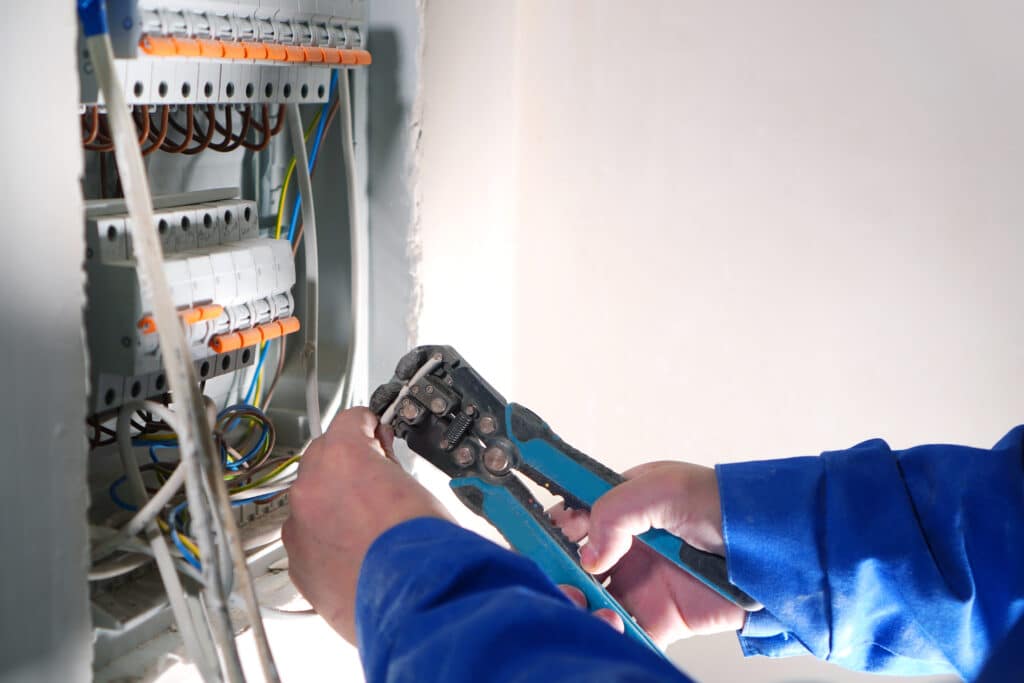
A power surge can reach far beyond the television plugged into a wall outlet. HVAC controls, refrigerators, laundry equipment, garage door openers, and other systems throughout a home contain electronics that may be vulnerable to sudden voltage spikes. A power strip can help protect individual devices, but it does little for equipment connected elsewhere in the house.
Preferred Home Services installs whole-home surge protection for homeowners in the Charleston and Greenville areas. Our electricians evaluate the electrical system, select a compatible surge protective device, and install it at the appropriate location near the home’s electrical service. We can also help you understand where additional protection makes sense for sensitive equipment.
Why Surge Protection Matters in South Carolina
Charleston and Greenville homeowners prepare for different kinds of severe weather, but both areas experience storms that can disrupt electrical service. In the Lowcountry, tropical weather, thunderstorms, and coastal storm conditions can leave homeowners concerned about the equipment they depend on when power returns. Around Greenville and the surrounding Upstate, thunderstorms, high winds, and falling trees can also affect power lines and service.
Storms are one reason to consider surge protection. Electrical switching and changes in demand can also create voltage spikes. A whole-home surge protective device adds protection at the electrical service, where it can limit many surges before they travel farther through the home’s wiring.
The goal is to reduce the risk of damage. No surge protector can guarantee that every device will survive every electrical event, particularly a direct lightning strike.
What Does a Whole-Home Surge Protector Do?
A whole-home surge protective device, often called an SPD, responds to a sudden rise in voltage by limiting it and diverting excess surge current through the electrical system’s grounding path. It is typically installed at or near the main electrical panel or service equipment.
That location gives the device a role that a plug-in protector cannot fill: it helps protect circuits serving both plugged-in appliances and hardwired equipment. Depending on your home, those circuits may serve:
-
Heating and cooling equipment with electronic controls
-
Refrigerators, ranges, washers, and dryers
-
Garage door openers and security equipment
-
Built-in lighting controls and smart home devices
-
Computers, televisions, and other plugged-in electronics
A panel-mounted SPD is one layer of protection. For especially sensitive equipment, properly selected point-of-use surge protectors can add another layer. Our electricians can explain the difference and recommend an approach based on what is installed in your home.
Whole-Home Surge Protection Installation
Effective installation starts with the existing electrical system. Before recommending a device, we look at the service equipment, panel configuration, available installation space, and the condition of the grounding and bonding connections. These details affect whether the proposed SPD is compatible with the home and how it should be installed.
Our installation process may include:
-
Inspecting the electrical service: We identify the panel and service configuration and check for visible issues that could affect the installation.
-
Selecting the device: We recommend an appropriately rated Type 1 or Type 2 SPD that is suitable for the electrical setup.
-
Installing and connecting the SPD: Our electrician places the device at the appropriate service or panel location according to its installation requirements.
-
Checking operation: We verify the installation and show you how to read the device’s status indicator, if it has one.
If we find concerns with the panel or grounding system, we explain them before proceeding. A home that also needs a panel upgrade may be able to address surge protection as part of that project.
What Surge Protection Cannot Fix
A whole-home SPD has a specific job: limiting certain sudden voltage spikes. It will not supply electricity during an outage, prevent every form of lightning damage, or correct an existing electrical fault.
That distinction matters when deciding which service to request:
-
Frequent breaker trips may point to an overloaded circuit, a faulty appliance, or another problem requiring electrical repair.
-
Flickering or dimming lights can have several causes. An electrician should identify the cause before recommending a solution.
-
Warm, scorched, or damaged outlets need prompt attention. A surge protector does not repair a failing connection.
-
Power outages require a separate backup-power solution, such as a properly sized standby generator.
If your home has several of these symptoms, an electrical safety inspection can help establish what needs attention. We will not treat a surge protector as a substitute for diagnosing the underlying issue.
When Should an Existing Surge Protector Be Checked?
Some SPDs include a light or other indicator that shows whether the device is operating. That indicator is worth checking periodically and after a significant storm or electrical event. If it shows that protection has been lost, the device may need evaluation or replacement.
You may also want an electrician to review surge protection when replacing a panel, adding substantial electrical equipment, or moving into a home where you do not know what protection is already installed. An existing device should be assessed for its condition and compatibility rather than assumed to provide effective protection simply because it is attached to the panel.
Protection for Charleston and Greenville Homes
Electrical needs differ from house to house. A Charleston-area home may have HVAC equipment, outdoor systems, and home office electronics that the owner wants to account for during storm preparation. A Greenville-area homeowner may be updating an older panel while adding new appliances or other electrical loads. In either case, the right recommendation depends on the actual electrical setup and the equipment the household wants to protect.
Preferred Home Services provides whole-home surge protection installation across our Charleston and Greenville service areas. Our electricians can assess your existing panel, explain the protection a proposed device provides, and identify any electrical issues that should be addressed alongside it.

Schedule Whole-Home Surge Protection Service
If you are planning an electrical upgrade, replacing damaged electronics, or reviewing your home’s storm readiness, we can help you take the next step. Schedule service with Preferred Home Services for a whole-home surge protection assessment and installation in the Charleston or Greenville area.
$500 Off
New Electrical PanelDisclaimer

How Can We Make You Smile Today?
Frequently Asked qUESTIONS
Expert Answers To Common Questions
TESTIMONIALS
Hear From Our Satisfied Customers
David Baker
2 days ago

Joe did a great job. Thank you!
John
3 days ago
Corey Breaux was really knowledgeable and friendly Very helpful
Buddy
3 days ago
Kevin replaced a two bulb flood light and repaired a second light that had the internal bulb holder loose inside the globe. He made it look easy and was a pleasure to watch, a true professional and the best I have seen. He even parked his vehicle on the road rather than risk blocking me out of my driveway.
Julia Kelly
4 days ago
Christopher was professional, thorough and efficient. His discussion about membership was so clear, I decided to get onboard as a member.
Jennette Wescott
4 days ago
Technician came out and assessed the problems with our plumbing pipes under in the bathrooms and under the house. They were wonderful in assisting my husband and I with getting a Loan company to cover the plumbing job. Ben Plumbing crew in Charleston: Chris, Jacob and Porter are Great guys and did an outstanding job on replacing the plumbing pipes. The guys are very skilled with their plumbing work; they assessed the problem and explained the work they were going to do ; then explain any findings and fixed the problem. The guys were friendly, professional and approachable; my husband and I were comfortable talking with them. After completing the project, the guys made sure they cleaned up All their working areas. We would definitely refer our friends and family about the work Ben crew had done. Ben Crew deserves a SPECIAL TREAT or Bonus..
Kyle Snyder
5 days ago
Griffin was beyond professional and amazing! Hr even dealt with our hectic schedule and one and a half year old running around! 10/10 would recommend him.
alvin lewis
5 days ago
Jaylen did a wonderful job during our service appointment today! He was prompt, professional and very knowledgeable.
Smith Walker
5 days ago
Excellent service that was was preformed in a timely manner. Benjamin offered great service with a great attitude and professionalism. Thanks again
Open Rap
5 days ago
Ben's Battalion did a great, quick and professional job handling my home repair! Thanks to Garret, Chris, Brian and Mac!
Vann Cochran
6 days ago
I have an excellent service call today from Griffin. Fuel is though the system was thoroughly checked out and received a professional report. I will use them again.
DeAnna Akers
6 days ago
William was excellent, concise, quick, and friendly.
Jennette Wescott
6 days ago
Technician came out and assessed the problems with our plumbing pipes under in the bathrooms and under the house. They were wonderful in assisting my husband and I with getting a Loan company to cover the plumbing job. Ben Plumbing crew in Charleston: Chris, Jacob and Porter are Great guys and did an outstanding job on replacing the plumbing pipes. The guys are very skilled with their plumbing work; they assessed the problem and explained the work they were going to do ; then explain any findings and fixed the problem. The guys were friendly, professional and approachable; my husband and I were comfortable talking with them. After completing the project, the guys made sure they cleaned up All their working areas. We would definitely refer our friends and family about the work Ben crew had done. Ben Crew deserves a SPECIAL TREAT or Bonus..
Luciano D'Amico
6 days ago
Professionnel, through, and we'll spoken
Jason Todd
6 days ago
justin was friendly , skilled and make everything easy
Jan hawkins
7 days ago
I recently decided to installl a new HVAC system and meet with Logan to get an estimate on the cost.
He was right on time with a big smile and warm handshake.
We sat down and discussed what my needs were and how he could make things work for ME! He did a thorough walk through, explained his findings and was very patient answering my questions.
He then discussed with me his recomendations which would fit my needs.I never felt I was being pressured or rushed to make my decision.
I am happy to have found this company and a dedicated employee like Logan to help me get my new HVAC!
Follow up :
Had my new HVAC installed last week and Vince and Alex did a great job! They had some tight spots to work installing but they knew what they were doing and got everything done in one day.
They answered questions and educated me on how the system worked. They registered my system with the manufacturer for me which was so helpful.
Few days later I had a few questions on the outside unit. They came back a few hours later and made sure all was running properly.
Great company with excellent teamwork.
Will use again!
Jan hawkins
7 days ago
Had maintenance of my HVAC today performed by Ben. He greeted me with a smile and was on time and courteous.
He sat down with me explaining what he would be doing on the units and mindful of my questions. He showed me areas of concern and offered options on how they could be repaired or replaced.He gave me time to discuss the choices and I never felt rushed or pressured on my decision making.
Preferred is lucky to have Ben as an employee !
Thanks Ben!
Lori Smalley
7 days ago
Bryson was on time, he was professional and super hard working guys like him are hard to come by. He's such an asset to this company I would recommend him.
Makenzie Alexander
7 days ago
Corey was awesome! And Johnathan was amazing with fixing a pesky water hammer in our wall. So thankful for them both!
Credibility You Can Trust Across Every Platform