Serving Charleston, Greenville, & Columbia Areas





Trusted by 7939+ Customers
Generator Services In South Carolina
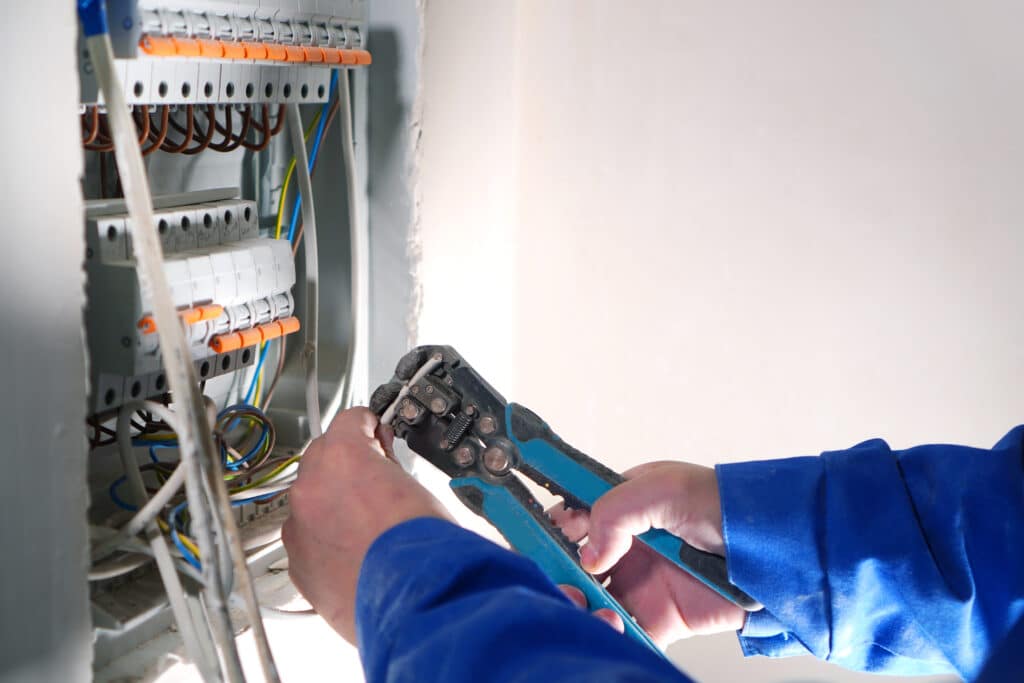
A whole-home generator provides a dedicated source of backup power when utility service is interrupted. Preferred Home Services installs, replaces, repairs, and maintains residential standby generators throughout the Charleston and Greenville areas.
Generator work requires coordination between the equipment, fuel supply, transfer switch, electrical panel, and the circuits selected for backup power. Our licensed electricians provide generator service as part of our complete residential electrical services, with recommendations based on the home and the amount of power the homeowner wants available during an outage.
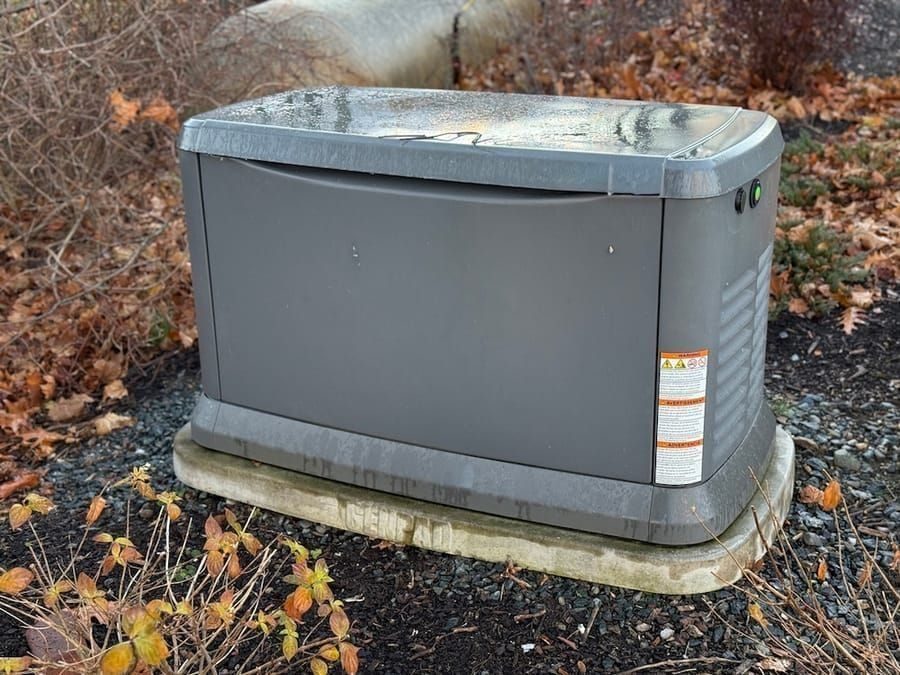
Whole-Home Generator Services
Standby generators are permanently installed outside the home and connected to its electrical system through a transfer switch. When utility power is lost, an automatic standby system can start and supply electricity to selected circuits or a larger portion of the house, depending on its capacity and configuration.
We provide generator services throughout the equipment’s operating life. Our team can help with a first-time installation, replacement of an aging unit, diagnosis of a generator that is not working properly, or preventive maintenance before severe weather.
Generator Installation
A generator must be selected and installed according to the home’s electrical demand, available fuel source, equipment location, and backup-power priorities. We evaluate these factors before recommending a generator and installation plan.
The project may include preparing the installation location, setting the generator, installing the transfer switch, completing the necessary electrical connections, coordinating applicable fuel connections, and testing the completed system. We also explain basic system operation and what the homeowner should expect when utility power is interrupted.
Generator Replacement
An aging generator may eventually become less reliable, require increasingly frequent repairs, or no longer provide enough capacity for the household. Replacement may also be appropriate when major parts are unavailable or the homeowner wants to support additional electrical loads.
We assess the existing generator, transfer equipment, electrical connections, and current backup-power needs before recommending a replacement. Components that remain safe and compatible may be incorporated into the new installation when appropriate, while outdated or damaged equipment may need to be replaced.
Generator Repair
A standby generator can fail even when it has not recently been needed for an outage. Battery deterioration, fuel-delivery problems, damaged electrical components, control faults, sensor failures, and neglected maintenance can prevent the system from starting or carrying its assigned load.
Our electricians diagnose generator problems based on the symptoms, fault information, maintenance history, and system configuration. Once we identify the source of the problem, we explain the recommended repair before completing additional work.
Generator Maintenance
Standby generators spend much of their time waiting for an outage, but they still require periodic service. Routine maintenance helps confirm that the unit can start, transfer power, and operate properly when utility service fails.
Maintenance requirements vary by generator, operating hours, fuel type, age, and manufacturer specifications. We evaluate the installed equipment and complete the applicable maintenance instead of relying on a single checklist for every generator.
How We Determine the Right Generator Size
Generator sizing involves more than choosing the unit with the largest advertised capacity. An undersized generator may not support the intended electrical loads, while an unnecessarily large system can increase installation and operating costs.
We begin by identifying what the homeowner wants to keep running during an outage. Backup priorities may include heating and cooling equipment, refrigeration, lighting, medical equipment, well or sump pumps, internet equipment, security systems, and selected household circuits.
The final recommendation may account for:
-
The combined running load of the selected equipment
-
Additional power needed when motors and compressors start
-
Whole-home versus selected-circuit coverage
-
The capacity and condition of the existing electrical service
-
Available natural gas or propane supply
-
Generator placement and required clearances
-
Potential future appliances or electrical upgrades
-
Transfer-switch compatibility and circuit configuration
After reviewing these factors, we can recommend an appropriate generator capacity and explain what the proposed system will and will not power. This gives the homeowner a practical basis for comparing generator options.
Our Generator Installation Process
A properly planned installation allows the generator, transfer equipment, fuel supply, and home electrical system to operate together. Our process addresses the full installation rather than treating the generator as a stand-alone appliance.
A typical installation may include:
-
Home and load assessment: We review the electrical system and determine which circuits or equipment need backup power.
-
Equipment selection: We recommend a generator and transfer-switch configuration suited to the calculated load and homeowner’s priorities.
-
Installation planning: We identify an appropriate outdoor location and account for equipment clearances, access, fuel connections, and applicable installation requirements.
-
Electrical preparation: The project may require transfer equipment, dedicated wiring, circuit configuration, or an electrical panel upgrade.
-
Fuel coordination: For fuel-powered standby equipment, we confirm that the planned supply can support the generator. Applicable fuel-line concerns may require gas piping service.
-
Startup and testing: Once installation is complete, we start the generator, test the transfer sequence, confirm operation, and review the system with the homeowner.
Installation requirements vary by property and selected equipment. We explain the proposed scope before work begins so the homeowner understands how the generator will connect to the home and what preparation is required.
Signs Your Generator Needs Repair
A generator can show signs of a developing problem during an exercise cycle, maintenance appointment, or actual outage. Addressing these warnings before the next loss of utility power can reduce the chance of discovering a failure when backup power is needed.
Schedule generator repair if you notice:
-
The generator does not start during an outage or scheduled exercise cycle
-
The engine starts but the home does not receive backup power
-
The unit starts and shuts down unexpectedly
-
Warning lights, fault codes, or control-panel alerts appear
-
The generator produces unusual knocking, grinding, or rattling noises
-
Oil, coolant, or fuel is leaking around the equipment
-
The battery repeatedly loses its charge
-
The transfer switch does not change between utility and generator power correctly
-
The generator struggles when electrical loads are added
-
There is visible corrosion, damaged wiring, or deterioration around the unit
Do not attempt to bypass a safety control or open energized generator equipment to restore operation. Our team can evaluate generator-related faults, while broader problems elsewhere in the home may require separate electrical repair.
What Generator Maintenance May Include
Standby generator maintenance should be based on the manufacturer’s requirements and the condition of the installed equipment. Systems that have operated for extended periods during outages may require additional service based on their running hours.
Depending on the generator, maintenance may include:
-
Reviewing stored fault codes and operating history
-
Checking the battery and charging system
-
Inspecting accessible wiring and electrical connections
-
Evaluating oil, filters, coolant, and other applicable service items
-
Checking for fluid leaks, corrosion, or physical damage
-
Inspecting accessible fuel-system components
-
Testing the exercise cycle
-
Evaluating the transfer switch and backup-power sequence
-
Running the system and observing operating conditions
-
Documenting concerns that may require repair
After maintenance, we explain the generator’s condition and identify components that should be repaired or monitored. Routine service cannot prevent every failure, but it can reveal problems that might otherwise remain hidden while the generator is idle.
Generator Repair or Replacement
A generator problem does not automatically require complete replacement. Repair may remain practical when the equipment is in generally good condition, the failed component is available, and the generator still supports the home’s backup-power needs.
Replacement may be more appropriate when the generator has extensive mechanical or electrical damage, recurring failures, severe corrosion, unavailable parts, or inadequate capacity. We consider the unit’s condition, repair history, age, compatibility, and expected reliability before recommending a course of action.
Generac Generator Services
Preferred Home Services installs and services Generac standby generators for South Carolina homeowners. Customers considering this manufacturer can learn more about our dedicated Generac generator services, including brand-specific installation, replacement, repair, and maintenance support.
The main generator service covers the complete category of residential standby generator work. The Generac service is intended for homeowners who already own or are specifically considering Generac equipment.
Generator Protection and Electrical Safety
A generator protects the home from losing power, but it does not perform the same job as a surge protective device. Voltage fluctuations can occur during utility disturbances and when power is restored, so a generator may be used alongside whole-home surge protection as part of a broader electrical protection plan.
The condition of the home’s existing electrical system also affects generator installation. If the panel, wiring, or other components show signs of damage or improper modifications, an electrical safety inspection can help identify concerns that should be addressed before or alongside the generator project.
Generator Services Across South Carolina
Preferred Home Services provides whole-home generator installation, replacement, repair, and maintenance throughout our Charleston and Greenville service areas. In the Lowcountry, backup power can be especially valuable during hurricane-related and coastal storm outages. In Greenville and surrounding Upstate communities, generators can help households prepare for severe thunderstorms, fallen trees, utility interruptions, and other unexpected power losses.
Service availability extends to Charleston, Greenville, and many nearby South Carolina communities. Homeowners can contact our team to confirm availability at their address and discuss the level of backup power they want for their property.

Schedule Whole-Home Generator Service
A dependable standby generator begins with proper planning and continues with professional repair and maintenance throughout the life of the equipment. Our electricians can evaluate your home, explain the available options, and provide the service needed to keep your backup-power system ready.
Schedule generator service with Preferred Home Services for whole-home generator installation, replacement, repair, or maintenance in the Charleston or Greenville area.
$500 Off
New Electrical PanelDisclaimer

How Can We Make You Smile Today?
Frequently Asked qUESTIONS
Expert Answers To Common Questions
TESTIMONIALS
Hear From Our Satisfied Customers
David Baker
15 hours ago

Joe did a great job. Thank you!
John
1 day ago
Corey Breaux was really knowledgeable and friendly Very helpful
Buddy
2 days ago
Kevin replaced a two bulb flood light and repaired a second light that had the internal bulb holder loose inside the globe. He made it look easy and was a pleasure to watch, a true professional and the best I have seen. He even parked his vehicle on the road rather than risk blocking me out of my driveway.
Julia Kelly
2 days ago
Christopher was professional, thorough and efficient. His discussion about membership was so clear, I decided to get onboard as a member.
Jennette Wescott
3 days ago
Technician came out and assessed the problems with our plumbing pipes under in the bathrooms and under the house. They were wonderful in assisting my husband and I with getting a Loan company to cover the plumbing job. Ben Plumbing crew in Charleston: Chris, Jacob and Porter are Great guys and did an outstanding job on replacing the plumbing pipes. The guys are very skilled with their plumbing work; they assessed the problem and explained the work they were going to do ; then explain any findings and fixed the problem. The guys were friendly, professional and approachable; my husband and I were comfortable talking with them. After completing the project, the guys made sure they cleaned up All their working areas. We would definitely refer our friends and family about the work Ben crew had done. Ben Crew deserves a SPECIAL TREAT or Bonus..
Kyle Snyder
3 days ago
Griffin was beyond professional and amazing! Hr even dealt with our hectic schedule and one and a half year old running around! 10/10 would recommend him.
alvin lewis
3 days ago
Jaylen did a wonderful job during our service appointment today! He was prompt, professional and very knowledgeable.
Smith Walker
4 days ago
Excellent service that was was preformed in a timely manner. Benjamin offered great service with a great attitude and professionalism. Thanks again
Open Rap
4 days ago
Ben's Battalion did a great, quick and professional job handling my home repair! Thanks to Garret, Chris, Brian and Mac!
Vann Cochran
4 days ago
I have an excellent service call today from Griffin. Fuel is though the system was thoroughly checked out and received a professional report. I will use them again.
DeAnna Akers
4 days ago
William was excellent, concise, quick, and friendly.
Jennette Wescott
5 days ago
Technician came out and assessed the problems with our plumbing pipes under in the bathrooms and under the house. They were wonderful in assisting my husband and I with getting a Loan company to cover the plumbing job. Ben Plumbing crew in Charleston: Chris, Jacob and Porter are Great guys and did an outstanding job on replacing the plumbing pipes. The guys are very skilled with their plumbing work; they assessed the problem and explained the work they were going to do ; then explain any findings and fixed the problem. The guys were friendly, professional and approachable; my husband and I were comfortable talking with them. After completing the project, the guys made sure they cleaned up All their working areas. We would definitely refer our friends and family about the work Ben crew had done. Ben Crew deserves a SPECIAL TREAT or Bonus..
Luciano D'Amico
5 days ago
Professionnel, through, and we'll spoken
Jason Todd
5 days ago
justin was friendly , skilled and make everything easy
Jan hawkins
5 days ago
I recently decided to installl a new HVAC system and meet with Logan to get an estimate on the cost.
He was right on time with a big smile and warm handshake.
We sat down and discussed what my needs were and how he could make things work for ME! He did a thorough walk through, explained his findings and was very patient answering my questions.
He then discussed with me his recomendations which would fit my needs.I never felt I was being pressured or rushed to make my decision.
I am happy to have found this company and a dedicated employee like Logan to help me get my new HVAC!
Follow up :
Had my new HVAC installed last week and Vince and Alex did a great job! They had some tight spots to work installing but they knew what they were doing and got everything done in one day.
They answered questions and educated me on how the system worked. They registered my system with the manufacturer for me which was so helpful.
Few days later I had a few questions on the outside unit. They came back a few hours later and made sure all was running properly.
Great company with excellent teamwork.
Will use again!
He was right on time with a big smile and warm handshake.
We sat down and discussed what my needs were and how he could make things work for ME! He did a thorough walk through, explained his findings and was very patient answering my questions.
He then discussed with me his recomendations which would fit my needs.I never felt I was being pressured or rushed to make my decision.
I am happy to have found this company and a dedicated employee like Logan to help me get my new HVAC!
Follow up :
Had my new HVAC installed last week and Vince and Alex did a great job! They had some tight spots to work installing but they knew what they were doing and got everything done in one day.
They answered questions and educated me on how the system worked. They registered my system with the manufacturer for me which was so helpful.
Few days later I had a few questions on the outside unit. They came back a few hours later and made sure all was running properly.
Great company with excellent teamwork.
Will use again!
Jan hawkins
5 days ago
Had maintenance of my HVAC today performed by Ben. He greeted me with a smile and was on time and courteous.
He sat down with me explaining what he would be doing on the units and mindful of my questions. He showed me areas of concern and offered options on how they could be repaired or replaced.He gave me time to discuss the choices and I never felt rushed or pressured on my decision making.
Preferred is lucky to have Ben as an employee !
Thanks Ben!
He sat down with me explaining what he would be doing on the units and mindful of my questions. He showed me areas of concern and offered options on how they could be repaired or replaced.He gave me time to discuss the choices and I never felt rushed or pressured on my decision making.
Preferred is lucky to have Ben as an employee !
Thanks Ben!
Lori Smalley
5 days ago
Bryson was on time, he was professional and super hard working guys like him are hard to come by. He's such an asset to this company I would recommend him.
Makenzie Alexander
5 days ago
Corey was awesome! And Johnathan was amazing with fixing a pesky water hammer in our wall. So thankful for them both!
Credibility You Can Trust Across Every Platform