Serving Charleston, Greenville, & Columbia Areas





Trusted by 7939+ Customers
Hard Water in Charleston: How It’s Affecting Your Plumbing and What to Do About It

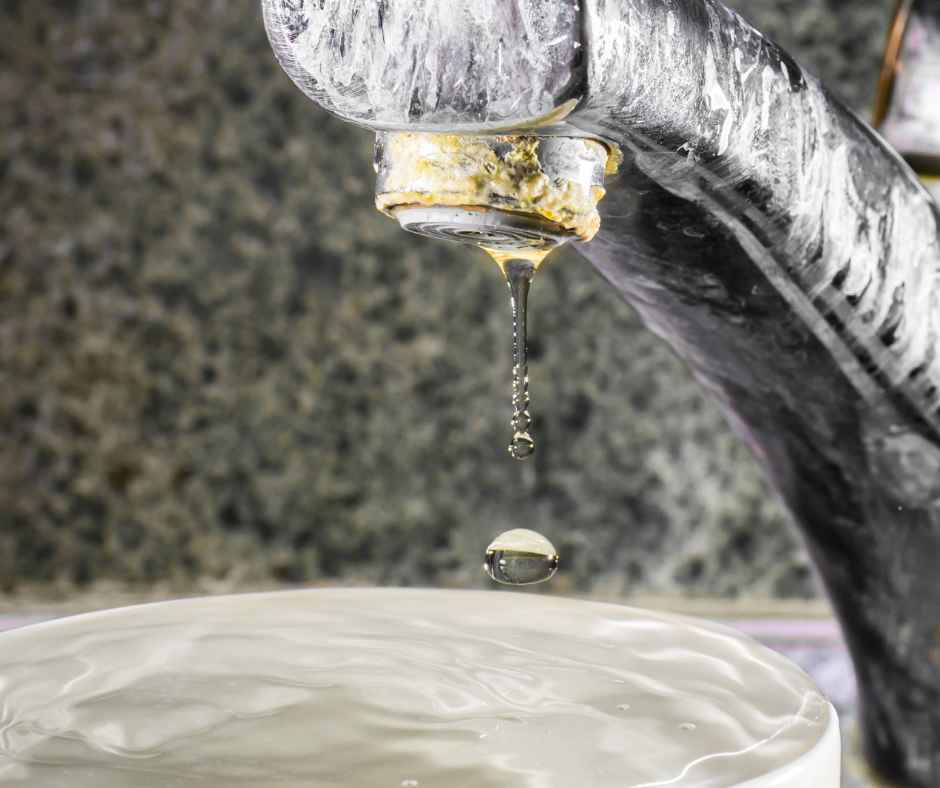
If you’re a homeowner in Charleston, chances are you’ve dealt with the frustrating effects of hard water without even realizing it. Hard water contains higher levels of minerals like calcium and magnesium, which may seem harmless but can quietly wreak havoc on your plumbing system and household appliances. Over time, those excess minerals leave behind buildup inside pipes, faucets, and fixtures, leading to costly damage if ignored. Beyond the plumbing, hard water also affects your daily comfort; it can make your skin feel dry, your hair look dull, and your dishes appear cloudy, no matter how much you clean them. The longer hard water goes untreated, the more it can drain your wallet with repairs and replacements.
The good news is that there are ways to spot the warning signs early and take steps to protect your home. In this blog, we’ll explain what hard water is, how it’s impacting homes across Charleston, and the practical solutions you can use to prevent lasting damage.
What Is Hard Water and Why It Matters
Hard water is water that contains high levels of dissolved minerals, most commonly calcium and magnesium. While these minerals are naturally occurring, they create problems when they build up inside your plumbing system. Instead of flowing freely through your pipes, the minerals leave behind deposits that slowly accumulate into stubborn scale.
In Charleston, hard water is a common issue because of the natural composition of the local water supply. Many homes in the area deal with varying degrees of mineral buildup, which can start small but become a much bigger issue over time. This is not just about annoying spots on your dishes or cloudy glassware. Hard water can reduce water pressure, shorten the life of your water heater, and force appliances like dishwashers and washing machines to work harder than they should.
If ignored, the consequences can be costly. Scale buildup inside your plumbing can cause clogs and leaks, leading to expensive repairs. Water heaters may lose efficiency and require replacement sooner than expected. Even your monthly utility bills can increase, since appliances affected by hard water need more energy to get the job done. That is why understanding hard water and its impact on your home is the first step in protecting your plumbing system and avoiding unnecessary expenses.
Key Signs of Hard Water in Your Home
Hard water often goes unnoticed until it starts leaving clear signs throughout your home. At first, the effects may seem like small inconveniences, but over time they add up and point to a bigger problem within your plumbing system. Knowing the signs early can help you take action before damage becomes more serious.
Common Signs
One of the most visible symptoms of hard water is a white, chalky residue left behind on faucets, showerheads, and sinks. This mineral buildup, often called scale, is difficult to scrub away and comes back quickly. You may also notice that your soap and shampoo do not lather well, leaving your skin feeling dry and your hair less shiny after a shower.
Cloudy spots on dishes and glasses after they come out of the dishwasher are another common indicator. Over time, reduced water pressure can develop as scale builds up inside the pipes and restricts flow. Appliances that use water, such as dishwashers, coffee makers, and washing machines, may begin to break down or lose efficiency far sooner than expected.
Causes and Why It Happens
The cause of hard water in Charleston comes down to the natural makeup of the local water supply. Water picks up calcium and magnesium as it moves through soil and rock before reaching your home. Once inside your plumbing, these minerals bind to surfaces and accumulate over time. Without proper treatment, that buildup grows layer by layer, restricting water flow and putting strain on your entire plumbing system.
Solutions for Hard Water Problems
The good news for Charleston homeowners is that hard water problems are not permanent. With the right approach, you can reduce or even eliminate the damage it causes to your plumbing and appliances. Depending on the severity, there are both simple do-it-yourself methods and long-term professional solutions available.
DIY Solutions
For minor issues, a few household remedies can make a difference. Vinegar is a simple and inexpensive cleaner that works well for removing mineral deposits from faucets and showerheads. Soaking fixtures in vinegar or using it as a spray cleaner helps break down buildup and restore a cleaner surface. Installing small faucet or pitcher filters can also improve the quality of your drinking water while providing a quick fix for taste and odor. Another helpful step is flushing your water heater once a year to clear out sediment that hard water leaves behind, which can extend its lifespan and keep it running more efficiently.
When to Call a Professional
While DIY measures are useful for temporary relief, they do not solve the root of the problem. If you notice frequent clogs, stubborn scale, or reduced water flow that keeps returning, it is time to call in a professional. A licensed plumber can recommend whole-home solutions like a water softener system, which removes calcium and magnesium from the water supply before it enters your plumbing. This not only protects your pipes but also improves the efficiency of every water-using appliance in your home. Professional solutions provide long-term protection, saving you money on repairs, replacements, and energy costs.
Maintenance Tips to Prevent Hard Water Damage
Once you know your home has hard water, the best way to avoid costly repairs is through consistent maintenance. By staying proactive, you can protect your plumbing system, extend the life of your appliances, and improve your overall water quality.
One of the most effective long-term solutions is investing in a water softener system. This device treats the water as it enters your home, removing the calcium and magnesium that cause buildup. With a softener in place, you will notice cleaner fixtures, better water pressure, and longer-lasting appliances.
Regular cleaning also goes a long way in preventing damage. Showerheads and faucets should be cleaned monthly to keep scale from building up and restricting flow. Flushing your water heater at least once a year is another smart habit that prevents sediment from settling at the bottom of the tank. Even small steps, like wiping down sinks and fixtures after use, can limit mineral stains and keep your bathroom and kitchen looking fresh.
Finally, scheduling an annual plumbing inspection is a smart move for Charleston homeowners. A professional plumber can check for early signs of buildup, inspect your water heater, and recommend the best solutions for your specific water quality. These preventive measures not only protect your home but also provide peace of mind that your plumbing system is working as it should.
Protect Your Plumbing from Hard Water in Charleston
Hard water is more than just an inconvenience. Left untreated, it can damage your plumbing, reduce water pressure, wear out appliances, and raise your utility bills. The good news is that with the right steps, you can prevent lasting damage and enjoy cleaner, more efficient water throughout your home.
By paying attention to the signs, trying simple maintenance tips, and calling in a professional when needed, you can stay ahead of the problem. A whole-home water softener or treatment system is the most effective way to protect your plumbing and make daily life more comfortable.
If you are noticing buildup on your fixtures, poor water pressure, or frequent plumbing issues, it may be time to take action. Contact Preferred Home Services in Charleston today to learn more about water treatment options and schedule an appointment with one of our experts.