Serving Charleston & Greenville Areas





Trusted by 7489+ Customers
Why AC Systems in Charleston Struggle on High Dew Point Days
Charleston is famous for its history and charm, but for many homeowners, the summer season is defined by relentless, heavy humidity that feels almost tangible. While many people look at their thermometer to judge the heat, the true measure of Lowcountry discomfort is often found in the dew point. When this number climbs above 70 degrees, your air conditioner is forced to transition from simply cooling the air to combating high levels of airborne moisture. This hidden issue places significant strain on your HVAC components and often leaves your indoor spaces feeling clammy even when the unit is running at full capacity.
In this blog, we will explore why high dew-point days strain your cooling system and provide practical strategies to maintain a crisp, dry environment in your home. Understanding the science of moisture removal is the key to achieving true indoor comfort during a South Carolina summer.
Understanding Dew Point vs. Humidity in the Lowcountry
To understand why your air conditioner behaves differently on certain days, you must first distinguish between relative humidity and dew point. Relative humidity is a percentage that describes how much moisture the air is holding compared to its maximum capacity at a specific temperature. Because warm air can hold significantly more water vapor than cool air, a humidity reading of sixty percent feels much more oppressive at ninety degrees than it does at seventy degrees. The dew point, however, is a more reliable metric for Charleston homeowners because it measures the absolute moisture content in the air, regardless of temperature. When the dew point rises, the air becomes more humid, increasing the load on your cooling system and requiring it to work harder to maintain a comfortable indoor environment.
The dew point is the most critical number to watch during a South Carolina summer:
- Comfort Thresholds: Most people feel comfortable when the dew point is below fifty-five degrees, while anything above sixty-five degrees is considered “sticky” or muggy.
- The Seventy-Degree Barrier: In Charleston, summer dew points frequently exceed 70 degrees, the point at which the air feels tropical and oppressive.
- Consistency of Measurement: Unlike relative humidity, which fluctuates wildly as the temperature changes throughout the day, the dew point remains relatively stable unless a new air mass moves into the region.
- Saturation Point: The dew point represents the exact temperature at which air must be cooled for water vapor to condense into liquid droplets, which is the primary mechanism your AC uses to dehumidify your home.
- Latent Heat Load: A high dew point indicates a high “latent heat” load, meaning your system must spend more energy removing water than it does lowering the actual air temperature.
By focusing on the dew point rather than the relative humidity, you can gain a better understanding of the true workload being placed on your HVAC unit. When the outdoor dew point is high, your system is essentially acting as a massive dehumidifier, and its ability to lower the thermostat is often limited until the excess moisture is removed from the indoor air.
How High Dew Point Exhausts Your Air Conditioner
The physical exhaustion of an AC unit on a high-dew-point day is primarily due to a shift in how it uses its cooling capacity. On a dry day, most of the system’s energy is used for sensible cooling, which is the direct reduction of air temperature. However, when the dew point climbs, a massive portion of that energy is diverted to latent cooling, the process of condensing water vapor into liquid. This means the unit must run for significantly longer periods just to satisfy the thermostat, as it cannot effectively lower the temperature until the air’s moisture content is significantly reduced.
The following mechanics explain why high dew point conditions are so physically demanding on your HVAC system:
- Saturation of the Evaporator Coil: The indoor coil must remain below the dew point to pull water from the air; consequently, it remains perpetually wet during humid periods.
- Overloaded Condensate Drain: As gallons of water are removed from the air each hour, the drainage system must operate reliably to prevent backups that can damage your home.
- Extended AC Cycle Length: Because moisture removal takes time, your unit may run for 45 minutes or longer per cycle, which accelerates compressor wear.
- Reduced Cooling Capacity: When the system is preoccupied with dehumidification, the air coming out of your vents may not feel as cold as it does on a dry day.
- Risk of Coil Icing: Constant moisture on a freezing coil can cause ice buildup if airflow is restricted, halting the cooling process.
These factors combine to create a scenario in which your system is continually pushed to its operational limits. While a well-maintained unit can handle these stresses for a period, consistent exposure to high dew points without proper care will eventually lead to mechanical fatigue or an emergency breakdown.
The Hidden Impact on Energy Bills and Home Comfort
When the dew point is high, your body’s natural cooling mechanism, sweating, becomes much less effective because the air is already saturated. This results in a higher heat index, which is essentially how hot the air feels to a person, regardless of the temperature on the thermometer. Consequently, many Charleston residents instinctively lower their thermostat settings to 68 or 70 degrees in an attempt to feel cool. This behavior creates a vicious cycle: the air conditioner runs almost continuously, leading to a spike in monthly electricity costs without truly addressing the underlying moisture problem.
High dew point days affect your household budget and overall living environment in several ways:
- Increased Electricity Consumption: Longer run times directly translate to higher kilowatt-hour usage, often causing utility bills to double during the peak humid months of July and August.
- The Cold and Clammy Effect: If the AC cools the air too quickly without removing moisture, you are left with cold, damp air that feels uncomfortable and encourages mildew growth.
- Strain on Blower Motors: The increased resistance of a wet evaporator coil requires the blower motor to work harder to push air through the system, resulting in higher electrical draw.
- Accelerated Filter Clogging: Humid air carries more particulates and organic matter that stick to a damp air filter, necessitating more frequent replacements to maintain airflow.
- Compromised Indoor Air Quality: Excess humidity provides a breeding ground for dust mites and mold, which can aggravate allergies and respiratory issues for sensitive family members.
It is important to realize that a lower temperature setting is not a substitute for effective dehumidification. By focusing solely on the thermostat, you are essentially paying for comfort that you are not actually receiving. Understanding this distinction allows you to look beyond simple temperature control and investigate more efficient ways to manage the moisture levels that are driving your high energy bills.
Professional Solutions for Charleston Humidity Control
Managing the heavy air in the Lowcountry requires specialized equipment beyond the capabilities of a standard single-stage air conditioner. While a traditional system is effective at lowering temperature, it often lacks the precision required to manage Charleston’s extreme latent heat loads. Investing in modern HVAC technology allows you to decouple temperature control from moisture management, ensuring your home stays dry even when outdoor air is fully saturated.
Several professional upgrades can help you reclaim your indoor comfort:
- Whole-Home Dehumidifiers: These units work alongside your existing AC to remove moisture from the air independently of the cooling cycle, providing precise humidity control without over-cooling your rooms.
- Variable-Speed Compressors: Unlike standard units that are either on or off, variable-speed systems can run at lower speeds for longer periods, providing consistent, gentle dehumidification.
- Smart Thermostats with Humidity Sensing: These advanced controllers can be programmed to run the AC for moisture removal even when the temperature setpoint has been reached.
- Precision Airflow Adjustments: A licensed technician can fine-tune your blower motor speed to ensure air spends more time in contact with the cold evaporator coil, maximizing condensation.
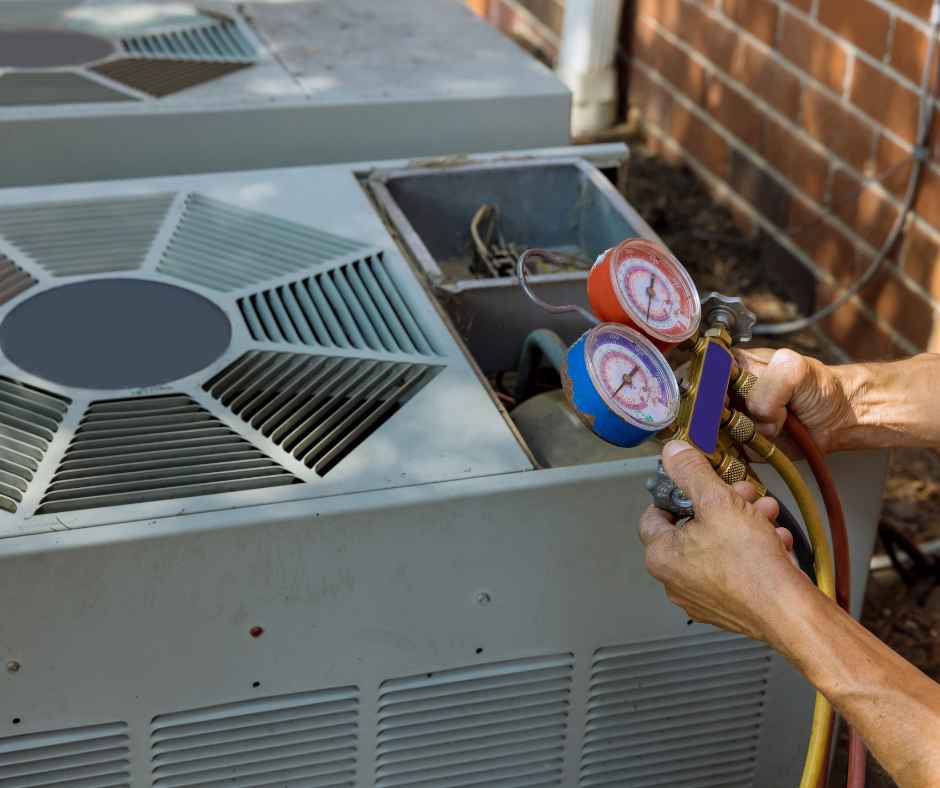
- Routine Preventive Maintenance: Regularly cleaning coils and clearing condensate lines helps ensure your system operates at peak moisture-removal efficiency on the most demanding days of the year.
Implementing these solutions transforms your living space from a muggy environment into a crisp, healthy sanctuary. By choosing the right combination of technology and professional oversight, you can reduce the physical stress on your equipment while significantly improving your overall quality of life.
Local Utility Savings and 2026 South Carolina Rebates
Living in Charleston means dealing with some of the highest humidity levels in the country, but the financial burden of managing that moisture is being offset by new state and federal initiatives. As of 2026, the South Carolina Energy Office has launched the Home Efficiency Rebates (HOMES) and the Home Electrification and Appliance Rebates (HEAR) programs. These initiatives are specifically designed to help homeowners upgrade to high-efficiency equipment that excels at moisture removal while lowering overall energy consumption. By combining these state-level rebates with existing utility programs, you can significantly reduce the cost of a modern HVAC installation.
Homeowners can currently explore several financial incentives to improve their home’s humidity control:
- Dominion Energy HVAC Rebates: Local residents can receive up to $500 in rebates for installing ENERGY STAR-certified central air conditioners or heat pumps that meet current efficiency standards.
- SC HEAR Program Incentives: Lower- to moderate-income households may qualify for up to $8,000 in incentives for high-efficiency heat pump installations that deliver superior latent cooling.
- Dominion Energy Duct Sealing: Rebates are also available for professional duct sealing, which prevents humid attic air from entering your living spaces through leaks.
- South Carolina HOMES Program: This program offers performance-based rebates ranging from $2,000 to $16,000 based on the total energy savings achieved through comprehensive home upgrades.
These incentives make it the perfect time to evaluate the age and efficiency of your current cooling system. By leveraging these programs, you can upgrade to a system that handles high-dew-point days with ease without bearing the full cost of the initial investment. Our team can help you navigate the documentation requirements for both Dominion Energy and the South Carolina state programs to ensure you maximize your savings.
Expert Charleston Humidity Solutions from Preferred Home Services
Navigating the heavy, moisture-laden air of a Charleston summer requires more than a basic cooling system; a strategic approach to indoor climate control. When the dew point rises, your home’s comfort depends on your equipment’s ability to remove gallons of water from the air without overworking. By choosing modern, high-efficiency upgrades and leveraging the latest South Carolina energy rebates, you can protect your property and your wallet from the stressors of the Lowcountry climate.
Preferred Home Services is committed to providing the technical expertise needed to keep your household crisp and dry during the most oppressive weather events. Contact us today to schedule a comprehensive humidity assessment and ensure your air conditioner is ready for the next high-dew-point day.