Serving Charleston, Greenville, & Columbia Areas





Trusted by 7939+ Customers
The Hidden Cost of High Humidity: How Charleston Dew Points Affect Your AC Efficiency
When Charleston’s dew points stay high, your air conditioner has to do more than lower the temperature. It also has to remove moisture from the air. That extra moisture load can lead to longer run times, higher energy use, weaker comfort, and more strain on your cooling system, especially if airflow, ductwork, insulation, or maintenance are already working against you.
Many homeowners blame high electric bills on heat alone. In Charleston, that is only part of the story. The real comfort challenge is often the combination of heat and moisture.
That is where dew point matters. When outdoor air is loaded with moisture, your AC has to work harder to make the house feel comfortable. Even if the thermostat reaches the number you set, the home can still feel sticky, heavy, or warmer than it should if indoor humidity stays high. In hot, humid climates, cooling comfort depends on lowering both temperature and indoor moisture.
In this guide, you will learn what dew point is, why it matters so much in Charleston, how high outdoor humidity can quietly increase AC runtime and energy costs, and what homeowners can do to improve comfort without simply lowering the thermostat.
What Is Dew Point, and Why Does It Matter More Than Relative Humidity?
Dew point is the temperature the air would have to cool to in order to reach saturation. In practical terms, it is one of the clearest ways to describe the actual moisture in the air. Higher dew points mean the air contains more moisture and feels muggy.
That matters for your AC because moisture is work. When dew points are high, your system has to remove more water vapor from indoor air while also cooling the house. That extra moisture load can make the home feel less comfortable and the equipment less efficient if anything else in the system is off.
Why Is This Such a Big Deal in Charleston?
Charleston sits in a hot-humid coastal climate, so moisture is not an occasional issue. It is part of everyday summer comfort. In climates like this, even correctly sized AC equipment can struggle more with humidity than homeowners expect.
That is why two homes at the same thermostat setting can feel completely different. The home that controls humidity better usually feels cooler, more comfortable, and easier to maintain, even without lowering the thermostat further.
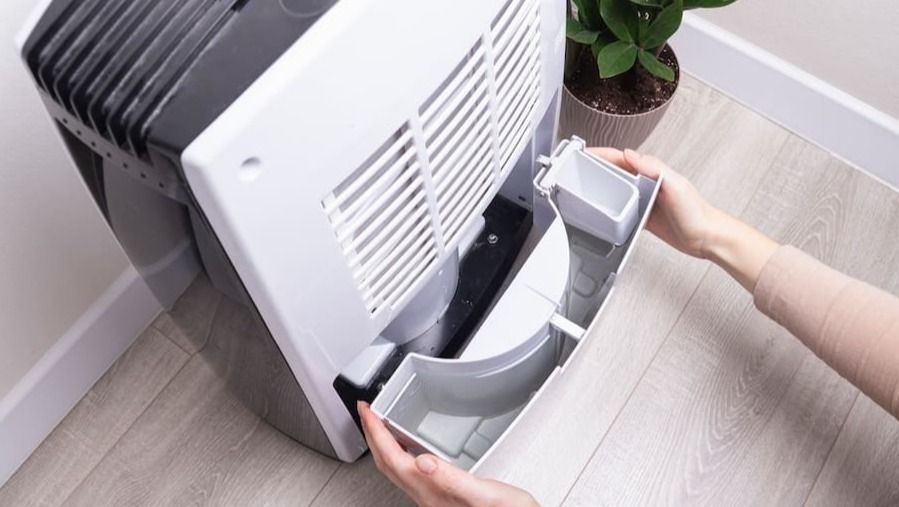
When Charleston’s outdoor air is heavy with moisture, your AC essentially becomes a whole-home dehumidifier. Its job is no longer just to lower the temperature. It has to pull gallons of water from the air, safely drain that moisture, and keep airflow steady while doing so.
How Do High Dew Points Hurt AC Efficiency?
When dew points rise, the air conditioner has to use more of its capacity to remove moisture before the house feels comfortable. That usually means longer cooling cycles and more electricity use.
That shift can cause several problems:
- Longer cooling cycles: Moisture removal takes time, so your AC may run much longer before the home feels comfortable.
- Higher electricity use: Longer run times mean more kilowatt-hour usage, especially during peak summer humidity.
- Reduced cooling feel: When the system is busy removing moisture, the air from your vents may not feel as cold or refreshing as expected.
- More compressor wear: Long, repeated cycles place added stress on one of the most expensive parts of your cooling system.
- Greater drainage demand: More humidity means more condensation, which puts more pressure on the condensate drain system.
The hidden cost is that homeowners often lower the thermostat further. But if the real problem is humidity, lowering the setpoint can increase runtime without fixing the sticky feeling the way people expect.
Why Can a House Feel Cool but Still Uncomfortable?
Comfort is not temperature alone. If indoor humidity stays too high, the air can feel damp, heavy, or clammy even when the thermostat reading looks fine.
This is why a home set to 72 degrees can still feel uncomfortable during Charleston’s muggiest weather. If the AC cools the air too quickly without removing enough moisture, you may end up with cold, damp air instead of crisp, comfortable air.
High indoor humidity can also affect the home itself. Excess moisture can encourage musty odors, mildew growth, dust mites, and poor indoor air quality. For family members with allergies, asthma, or respiratory sensitivities, humidity control can be just as important as temperature control.
Can an Oversized AC Make Humidity Problems Worse?
Yes. Bigger is not always better, especially in Charleston.
An oversized AC can cool the air too quickly and shut off before it runs long enough to remove enough moisture. That leaves the house cooler on paper but clammy in real life.
In a hot, humid climate, equipment must be matched to both the cooling load and the home’s moisture load. A system that is too large may satisfy the thermostat quickly, but it may not run long enough to properly dehumidify the air. Over time, this can lead to uneven comfort, short cycling, higher wear, and persistent complaints about humidity.
How Do Dirty Filters and Coils Add to the Problem?
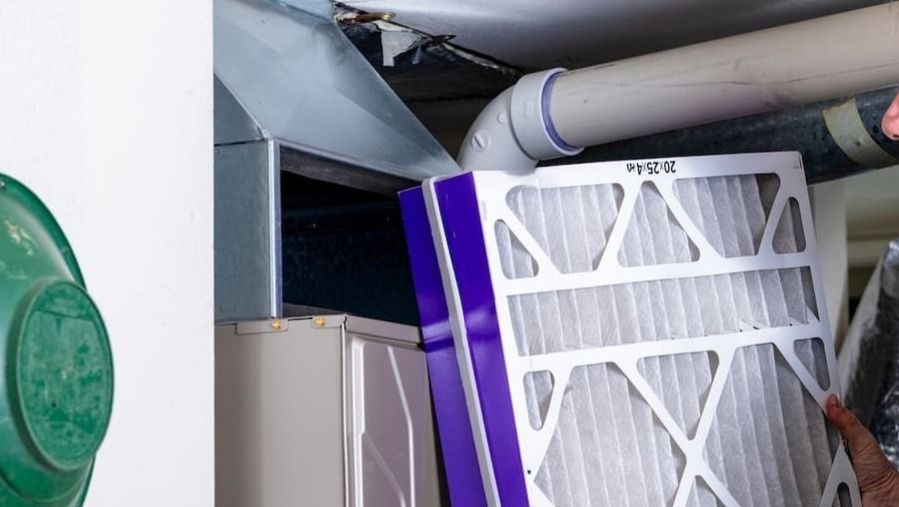
High humidity already makes your AC work harder. Dirty filters and coils make the problem worse by restricting airflow and reducing heat transfer.
When airflow drops, your system has a harder time moving air across the evaporator coil. That can reduce comfort, increase energy use, and place extra strain on the blower motor. A wet, dirty coil can also become a collection point for dust, debris, and biological growth.
During high-dew-point weather, a neglected system often shows symptoms first. These may include:
- The AC running longer than usual
- Weak airflow from vents
- Rooms that feel damp or uneven
- Rising electric bills
- Musty odors
- The system struggling to keep up during muggy afternoons or humid nights
Routine maintenance helps your AC remove moisture more effectively. Clean filters, clean coils, clear condensate lines, and proper refrigerant levels all support better humidity control.
What Role Do Duct Leaks Play?
Duct leaks make humidity problems more expensive. If cooled, dehumidified air escapes into an attic, crawl space, or wall cavity, it never fully reaches the rooms you are trying to keep comfortable.
That means your AC may be working hard to remove moisture from the air, but a portion of that conditioned air is being wasted before it reaches your living space.
In humid conditions, leaky ducts can also pull in hot, moist air from unconditioned areas. That adds even more moisture to the system’s workload. The result is longer runtime, weaker comfort, and higher energy costs.
Professional duct sealing can make a major difference, especially in older Charleston homes where ductwork may have loose connections, gaps, or deteriorated seals.
Can Air Leaks and Insulation Problems Raise the Humidity Load Too?
Yes. Moisture moves quickly with air movement. When a home has air leaks, humid outdoor air can enter through gaps around attic hatches, recessed lights, plumbing penetrations, crawl spaces, windows, doors, and other openings.
Once that humid air enters the home, your AC has to remove the moisture from it. That means more runtime, more strain, and less efficient comfort.
Air sealing and insulation improvements can help reduce the amount of moisture entering the home. This allows the AC to focus on conditioning the air inside the house instead of constantly fighting humid outdoor air.
What Warning Signs Point to a Humidity-Driven AC Problem?
If high dew points are affecting your home, the signs usually show up in comfort and runtime before they show up as a full breakdown.
Watch for signs like:
- The house feels sticky even when it is cool
- The AC runs for long stretches
- Some rooms feel damp or warmer than others
- Utility bills climb during humid weather
- Airflow feels weak
- The system struggles more at night or early morning when the air still feels heavy
- The thermostat setting keeps going lower, but comfort does not improve much
- Musty odors or mildew appear indoors
- Condensation forms around vents, windows, or ductwork
These symptoms do not always mean the AC is failing. Sometimes the issue is airflow, duct leakage, dirty coils, oversized equipment, insulation gaps, or a lack of dedicated humidity control.
What Usually Makes the Biggest Difference?
In many homes, the biggest gains come from improving how the system handles moisture, not just how cold it blows.
That often means:
- cleaning and servicing the AC
- replacing dirty filters
- checking blower airflow
- sealing leaking ducts
- reducing air leaks in the home
- making sure the system is properly sized for both cooling and dehumidification
When those issues are addressed, the house often feels better at the same thermostat setting because the system is finally controlling humidity more effectively.
What Charleston Homeowners Should Remember
When dew points rise, these are the issues that usually matter most:
- Your AC has to remove moisture, not just lower the temperature
- High humidity can make a home feel uncomfortable even when it is technically cool
- Dirty filters, dirty coils, and poor airflow raise energy use
- Leaky ducts waste conditioned air and make humidity control harder
- Air leaks can pull more moisture into the home
- Oversized systems can cool fast but still leave the house clammy
Fix the Moisture Problem, Not Just the Thermostat Setting
If your Charleston home feels sticky, your AC runs nonstop, or your power bills spike every time the weather turns muggy, the problem may not be temperature alone. High dew points can quietly reduce comfort and efficiency, especially when maintenance, ductwork, airflow, insulation, or equipment sizing are already working against you.
Preferred Home Services can help identify whether humidity, airflow, duct leakage, AC condition, or system sizing is driving the problem in your home. Our team can also help you evaluate modern humidity-control solutions and available rebate opportunities for qualifying upgrades.
If your system struggles every time Charleston gets muggy, contact Preferred Home Services today to schedule an evaluation.