Serving Charleston & Greenville Areas





Trusted by 7436+ Customers
Mini‑Split vs. Central Air: A Greenville Home Comparative Guide

South Carolina summers bring intense heat and humidity—and your HVAC system plays a big role in how comfortable your home stays through it all. For homeowners in Greenville, choosing the right air conditioning system isn’t just about cooling power—it’s about efficiency, cost, and long-term comfort. Two of the most popular options are mini-split systems and traditional central air conditioning, but deciding between them can feel like a challenge. Do you prioritize flexibility or whole-home cooling? Are you working with a historic Greenville home that lacks ductwork, or a newer build that’s already duct-ready? Every home is different, and so is every homeowner’s comfort preference.
In this blog, we’ll break down how each system works, when it might be time for an upgrade, and what to consider before installing or replacing your HVAC setup in the Upstate’s unique climate.
Understanding Mini-Split and Central Air Systems in Greenville, SC
Before choosing the best air conditioning solution for your Greenville home, it’s important to understand how mini-split and central air systems function—and how they differ in design and performance.
A central air conditioning system uses ductwork to circulate cooled air throughout your home. A single outdoor condenser is connected to an indoor air handler, and the air is pushed through a network of ducts to reach each room. This system is efficient for homes that already have ductwork installed and can provide consistent whole-home comfort when well maintained.
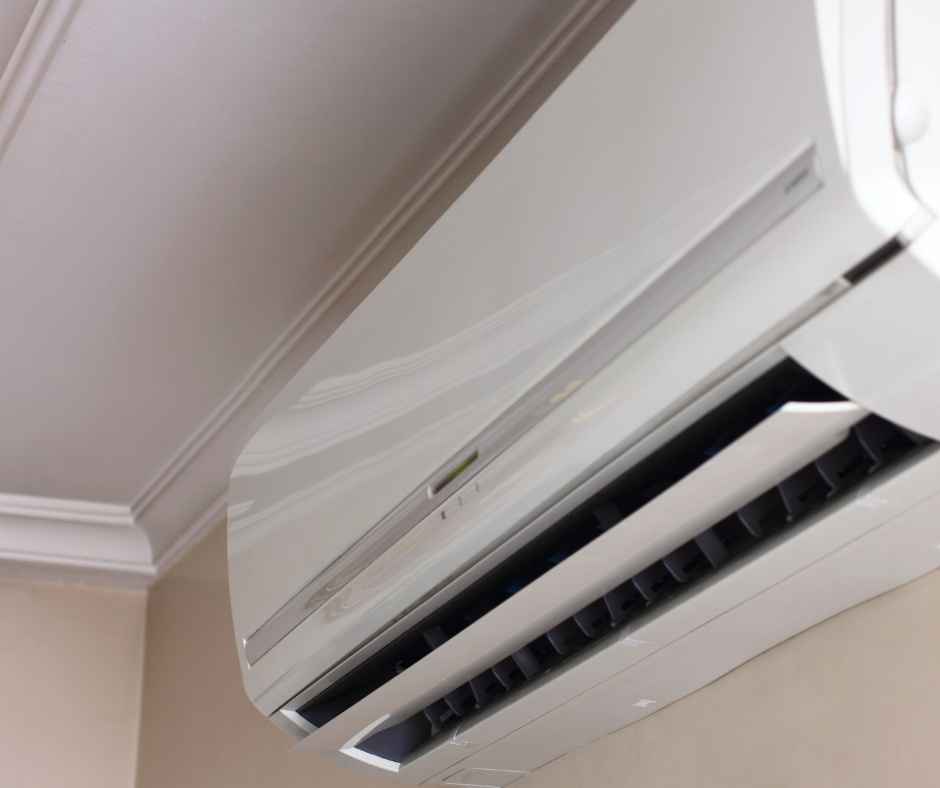
By contrast, a mini-split system (also called a ductless system) uses one or more indoor air handlers mounted on the wall, connected to an outdoor unit via refrigerant lines. Each indoor unit cools a specific zone, allowing for customized temperature control in different areas of the house. Mini-splits don’t rely on ducts, making them ideal for homes without existing ductwork, older houses, or room additions where expanding duct systems would be expensive or invasive.
In Greenville’s humid and variable climate, both systems can be effective, but their performance may depend on your home’s age, layout, and insulation quality. Mini-splits often shine in smaller or multi-use spaces—like finished basements, converted garages, or sunrooms—where individual temperature control makes a big difference. Central air, on the other hand, provides full-home coverage, which can be ideal for families who want consistent comfort across all rooms.
Ultimately, understanding how these systems work helps you evaluate what’s best for your home—and what’s worth your investment as Greenville’s temperatures rise each summer.
Signs Your Greenville Home Needs an HVAC Upgrade
Whether you’re currently using a mini-split system, central air, or an older setup that barely keeps up with Greenville’s summer heat, knowing when it’s time to upgrade is crucial. Many homeowners don’t realize their system is underperforming until it starts affecting comfort—or the energy bill. Spotting early signs of trouble can help you make a smart switch before you’re left sweating through July.
Common Signs of HVAC Inefficiency or Failure
Some HVAC issues are obvious—like a unit that won’t turn on—but others creep in slowly. Be on the lookout for:
- Uneven temperatures from room to room
- Excess indoor humidity, especially in summer
- A system that cycles on and off frequently
- Loud rattling or buzzing noises during operation
- Poor air circulation in certain areas of the home
- Monthly energy bills that seem higher than usual
- An HVAC system older than 10–15 years
In many Greenville homes, these issues show up as a room that’s always too warm, a living area that stays sticky with humidity, or rising costs even though you haven’t changed your usage habits. If you’re experiencing any of these problems, it might be time to consider replacing or upgrading your cooling system.
Why HVAC Problems Happen in Greenville
The Upstate’s humid summers and occasional cold snaps in winter put HVAC systems through a lot. Older homes may still rely on outdated ductwork that leaks air, while newer additions may have overwhelmed an existing system. Many homes in Greenville were not originally built with energy efficiency in mind, meaning insulation and airflow can be limited.
Sometimes, the root issue is size—a unit that’s too small can’t keep up with the demand, while one that’s too large will cycle on and off too frequently, reducing efficiency and wearing the system out faster. In both cases, the result is the same: discomfort and wasted money.
Recognizing these signs early gives you time to weigh your options and invest in a system—whether mini-split or central—that suits your home’s unique needs.
Pros and Cons of Mini-Splits vs. Central Air in Greenville
Choosing between a mini-split and central air conditioning system comes down to more than personal preference—it’s about how your home functions, how you want to manage comfort, and how much you’re willing to invest in long-term energy savings. Both systems work well in Greenville’s climate, but each offers distinct advantages and challenges.
Mini-Split Air Conditioning Pros and Cons
Mini-split systems provide zoned comfort without requiring ductwork. They’re especially useful for homes with additions, older properties without existing ducts, or families who want to control the temperature in specific rooms.
Pros:
- Zoned cooling: Each indoor unit can be set to a different temperature, which helps reduce energy waste and improve comfort.
- Energy efficient: Because you’re only cooling the spaces you use, mini-splits can significantly lower monthly bills.
- Duct-free installation: Ideal for older Greenville homes or renovations, mini-splits don’t require invasive ductwork.
- Quick installation: In many cases, a system can be installed in one to two days.
Cons:
- Higher upfront cost per room: Each zone requires its own unit, which can add up in larger homes.
- Visible components: Indoor air handlers are mounted on the wall and may not suit every aesthetic.
- Best for partial-home solutions: While they can cool a whole house, it may not be cost-effective for very large properties.
Central Air Conditioning Pros and Cons
Central air is still the most common cooling system in the U.S., and for good reason. It delivers whole-home comfort with a single thermostat, making it ideal for families who want consistency in every room.
Pros:
- Even cooling throughout the home: Central air can keep multiple rooms comfortable at once, especially when ductwork is in good shape.
- Discreet installation: Most of the system is hidden behind walls and ceilings, with only vents visible.
- Lower cost per square foot (for large homes): Central air can be more economical in larger homes with existing ducts.
- Quieter experience indoors: The air handler is often tucked away in an attic or utility space, reducing noise.
Cons:
- Duct maintenance is required: Leaky or clogged ducts reduce efficiency and air quality.
- Less zoning control: Most central systems cool the entire home at once, even if you only need one room cooled.
- Higher energy use for unused spaces: If you’re only using part of your home, central air can be wasteful.
- More complex installation: If your home lacks ductwork, installing a full system can be time-consuming and expensive.
By comparing these pros and cons in the context of your Greenville home—its size, age, and daily usage—you can start to see which system might make the most sense.
Which Cooling System Is Best for Your Greenville Home?
Choosing the right HVAC system isn’t a one-size-fits-all decision. Greenville homes range from historic downtown cottages to new construction in growing neighborhoods—and each comes with unique heating and cooling needs. While both mini-splits and central air conditioners can handle the Upstate heat, your home’s layout, energy goals, and even your lifestyle will help determine which is the better option.
DIY Considerations Before You Decide
Start by evaluating your home’s specific characteristics and how you use your living spaces:
- Home size and layout: If your home is large and open with an existing duct system, central air may be the more efficient solution. Smaller or segmented homes might benefit from mini-split zoning.
- Number of zones needed: Do you want to cool your entire home or just key spaces like bedrooms or an office? Mini-splits are ideal for targeted comfort.
- Energy efficiency priorities: If lower monthly bills are a top concern, mini-splits offer excellent SEER ratings and zone-by-zone control.
- Existing infrastructure: Homes without ductwork will require a large investment to install central air, whereas mini-splits bypass that step entirely.
- Aesthetic preferences: Wall-mounted units are visible with mini-splits, while central air is mostly hidden. Decide what you’re comfortable seeing in your living space.
These DIY considerations will give you a solid starting point, but many Greenville homeowners still find themselves unsure about compatibility, sizing, or installation logistics.
When to Call a Cooling Professional in Greenville
If you’re not sure how your current system is performing—or you’re trying to decide which option offers the best value—it’s smart to bring in a local expert.
Call Preferred Home Services in Greenville if:
- You’re replacing an outdated or failing HVAC system
- You need help calculating your home’s cooling load or determining the number of zones
- You want to understand the long-term costs of each system type
- You’re curious about potential rebates or financing options
- Your home has ductwork that hasn’t been evaluated in years
- You want peace of mind that your new system is sized, installed, and optimized correctly
A professional assessment can reveal hidden issues, such as airflow problems or insulation gaps, and ensure that whichever system you choose will keep your home cool, comfortable, and efficient for years to come.
HVAC Maintenance Tips for Greenville Homeowners
Whether you choose a ductless mini-split or a traditional central air conditioning system, regular maintenance is key to performance, efficiency, and longevity—especially in a climate like Greenville’s. The Upstate’s mix of hot, humid summers and occasional winter cold snaps puts year-round pressure on your HVAC system. A little preventive care goes a long way toward avoiding breakdowns and costly repairs.
Start with your air filters. For both system types, filters should be cleaned or replaced every 1 to 3 months, depending on usage and air quality in your home. Mini-split filters can often be rinsed and reused, while central air systems typically use disposable filters. Neglecting this simple task can reduce airflow, strain your system, and increase energy use.
Don’t forget the outdoor unit. Whether you have a mini-split or central air, your condenser or heat pump needs space to breathe. Trim back vegetation, clean off debris, and ensure it’s clear of dirt, leaves, and pests. Keeping the area around your outdoor unit clean helps prevent overheating and improves airflow.
Sealing and insulating ductwork is especially important for central air systems. Leaky ducts can waste a significant amount of cooled air, forcing your system to work harder than necessary. If your ductwork hasn’t been inspected in years, it’s worth having a professional check for inefficiencies or damage.
Here are a few more tips to keep your system running smoothly in Greenville:
- Schedule annual professional maintenance in the spring to prep for summer heat
- Use a programmable or smart thermostat to reduce energy usage when you’re not home
- Check for blocked vents or indoor units to allow proper air circulation
- Listen for unusual sounds like rattling or hissing, which could indicate loose components or refrigerant leaks
- Inspect insulation in attics and crawl spaces, especially if your system struggles to maintain set temperatures
By staying on top of maintenance, you can reduce breakdowns, lower your monthly bills, and keep your home comfortable through Greenville’s hottest days and most humid nights.
Wrap-Up: Choose the Right Cooling System for Comfort in Greenville, SC
Choosing between a mini-split and a central air conditioning system doesn’t have to be complicated—especially when you understand how each option works, what your home demands, and how Greenville’s climate can impact performance. Both systems offer excellent comfort when properly sized and installed, but their benefits vary depending on home size, layout, and your desire for zoned control or full-home coverage.
Mini-splits shine in homes that lack ductwork, need customized comfort in select rooms, or prioritize energy efficiency and simple installation. Central air systems are often ideal for larger homes with existing ducts and families who want quiet, consistent cooling throughout every room.
Whatever your preference, the key is making an informed decision—and that’s where Preferred Home Services comes in. Our Greenville HVAC professionals take the guesswork out of system selection by evaluating your current setup, listening to your comfort goals, and recommending the best solution for your space and budget.
Don’t wait for your old system to fail in the middle of a heatwave. Contact Preferred Home Services in Greenville today to schedule your cooling consultation and stay comfortable all season long.