Serving Charleston, Greenville, & Columbia Areas





Trusted by 7911+ Customers
How Does a Tankless Water Heater Work?
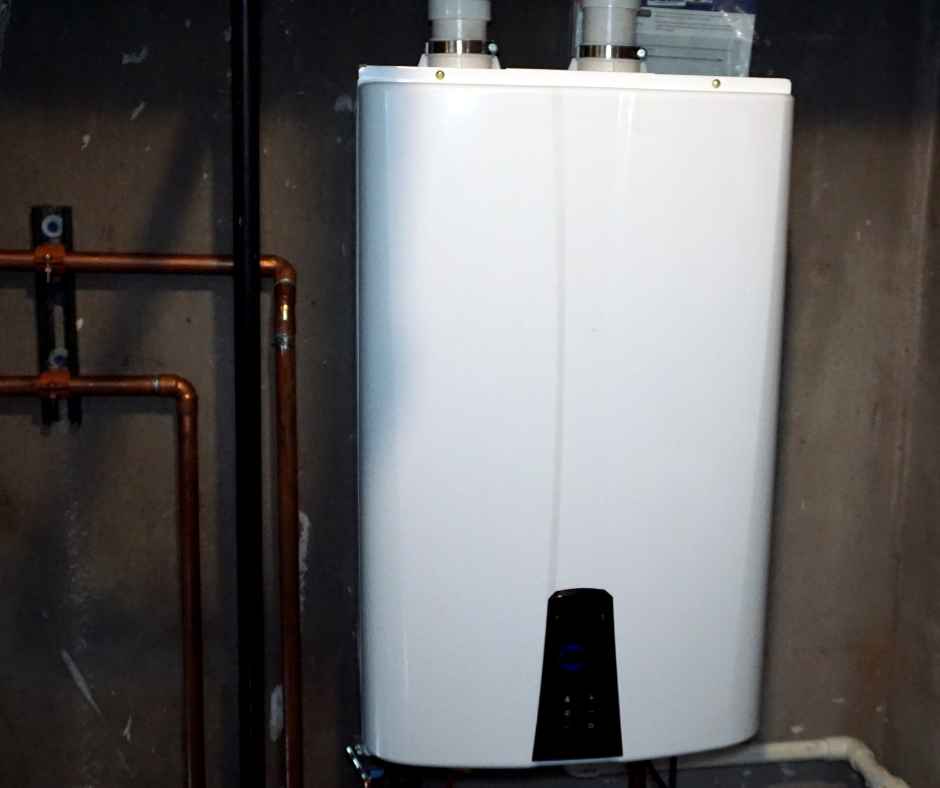
Tankless water heaters are becoming a popular choice for homeowners who want efficient, on-demand hot water without a bulky storage tank. But how does a tankless water heater work?
A tankless water heater heats water only when you need it. When you turn on a hot water tap, cold water flows into the unit, where a gas burner or electric heating element quickly heats the water as it passes through. The heated water then travels directly to your faucet, shower, dishwasher, or washing machine.
For homeowners in Charleston and Greenville, tankless water heaters can be a smart option for saving space, improving efficiency, and supporting daily hot water needs.
What Is a Tankless Water Heater?
A tankless water heater is a water heating system that does not store hot water in a tank. Instead, it heats water on demand as it flows through the unit.
Traditional water heaters keep a large tank of water hot throughout the day. Tankless systems only activate when hot water is needed. This helps reduce standby energy loss, which is the energy wasted when a tank-style unit keeps stored water hot even when no one is using it.
Tankless water heaters are also called on-demand water heaters because they provide hot water when a fixture or appliance calls for it.
How Is a Tankless Water Heater Different From a Traditional Water Heater?
The main difference is storage. A traditional water heater stores hot water in a tank, while a tankless water heater heats water as it moves through the system.
With a traditional tank water heater, the tank fills with water, heats it, and stores it until you need it. Once the stored hot water runs out, you have to wait for the tank to refill and reheat.
With a tankless water heater, there is no storage tank. The unit heats water as it flows through, which means it can provide a continuous supply of hot water as long as the system is properly sized for your home.
How Does a Tankless Water Heater Heat Water?
A tankless water heater starts working when you open a hot water tap.
Here is the basic process:
- You turn on a hot water fixture.
- Cold water enters the tankless unit through a pipe.
- A flow sensor detects water movement.
- The system activates a gas burner or electric heating element.
- Water passes through a heat exchanger.
- The heat exchanger warms the water quickly.
- Hot water flows to your faucet, shower, or appliance.
This process happens automatically and only when hot water is needed.
Does a Tankless Water Heater Provide Endless Hot Water?
A tankless water heater can provide continuous hot water, but only within its capacity. If the system is properly sized, it can support normal household hot water use without running out, unlike a tank-style unit.
However, every tankless water heater has a flow rate limit. That means it can only heat a certain number of gallons per minute. If too many fixtures run at once, such as multiple showers, a dishwasher, and a washing machine, the unit may struggle to keep up.
That is why professional sizing is important. A plumber can evaluate your household size, hot water habits, fixture count, and local water temperature to recommend the right unit.
Are Tankless Water Heaters Energy Efficient?
Yes. Tankless water heaters are typically more energy-efficient than traditional tank-style units because they heat water only when needed.
Since they do not store hot water all day, they avoid standby heat loss. This can help reduce energy use and lower utility bills, especially in homes that use hot water efficiently.
For Charleston and Greenville homeowners, energy savings can vary depending on household hot water demand, system type, fuel source, installation quality, and maintenance.
Do Tankless Water Heaters Save Space?
Yes. Tankless water heaters are much smaller than traditional tank units and are often mounted on a wall. This can free up valuable floor space in garages, utility closets, laundry rooms, crawl spaces, or mechanical areas.
This can be especially helpful for homes with limited storage space or homeowners who want a cleaner, more compact plumbing setup.
What Are the Benefits of a Tankless Water Heater?
Tankless water heaters offer several benefits for homeowners.
Common advantages include:
- On-demand hot water: The system heats water when you need it.
- Improved energy efficiency: No storage tank means less standby energy loss.
- Space savings: Compact wall-mounted units take up less room.
- Longer lifespan: Tankless systems often last longer than traditional tank models with proper maintenance.
- Reduced risk of tank leaks: Since there is no large storage tank, the risk of a tank rupture is lower.
- Consistent performance: A properly sized system can support steady hot water for daily needs.
What Are the Limitations of a Tankless Water Heater?
Tankless water heaters are efficient, but they are not the perfect fit for every home.
Potential considerations include:
- Higher upfront cost: Tankless units usually cost more to install than standard tank models.
- Flow rate limits: The unit must be sized correctly to handle simultaneous hot water use.
- Possible utility upgrades: Some homes may need gas line, venting, or electrical upgrades.
- Maintenance needs: Tankless systems require routine flushing or descaling to prevent mineral buildup.
- Installation complexity: Proper installation is important for safety, efficiency, and performance.
A professional plumber can help determine whether a tankless water heater is the right choice for your Charleston or Greenville home.
Do Tankless Water Heaters Need Maintenance?
Yes. Regular maintenance is important for keeping a tankless water heater efficient and reliable.
Maintenance may include:
- Flushing or descaling the unit: This removes mineral buildup from the heat exchanger.
- Checking for leaks or corrosion: Small issues should be addressed before they become larger problems.
- Inspecting gas or electrical connections: This helps ensure safe operation.
- Checking venting: Gas tankless systems need proper venting for combustion gases.
- Cleaning filters: Some units have inlet screens or filters that need to be cleaned.
- Testing system performance: A plumber can confirm the unit is heating properly and operating within manufacturer specifications.
For many homes, professional tankless water heater maintenance should be scheduled at least once a year. Homes with hard water may need service more often.
Why Does Mineral Buildup Matter?
Mineral buildup can reduce the performance and lifespan of a tankless water heater. As water passes through the unit, minerals can collect inside the heat exchanger. Over time, this scale buildup can restrict water flow, reduce heating efficiency, and strain the system.
Routine flushing helps remove these deposits and keeps the unit working properly. If your home has hard water, your plumber may also recommend water treatment to help protect the system.
Is a Gas or Electric Tankless Water Heater Better?
The best option depends on your home, hot water needs, and available utilities.
- Gas tankless water heaters are often better for larger households or homes with higher hot water demand. They typically produce more hot water per minute but require proper gas line sizing and venting.
- Electric tankless water heaters may be a good option for smaller homes, point-of-use applications, or properties without gas service. However, they may require electrical upgrades depending on the unit and household demand.
A professional can evaluate your home and recommend the best system for your needs.
Is a Tankless Water Heater Right for Homes in Charleston and Greenville?
A tankless water heater can be a great option for many Charleston and Greenville homeowners, especially if you want better efficiency, more space, and reliable hot water.
It may be a good fit if:
- You want to replace an aging tank water heater
- You want more efficient hot water heating
- You have limited space for a storage tank
- Your household uses hot water throughout the day
- You want a longer-lasting water heating option
- You are planning plumbing upgrades or remodeling
- You want to reduce standby energy waste
The key is choosing the right size and type of unit for your home.
Preferred Home Services: Tankless Water Heater Installation in Charleston and Greenville
If you are ready to experience the benefits of a tankless water heater, Preferred Home Services can help. Our plumbing team provides tankless water heater installation, maintenance, repair, and replacement services for homeowners in Charleston and Greenville.
We can evaluate your home’s hot water needs, explain your options, and help you choose a system that fits your household, budget, and efficiency goals.
Contact Preferred Home Services today to learn more about tankless water heater installation and maintenance in Charleston or Greenville.
![Three men in collared shirts pose and thumbs-up in front of a green backdrop branded with 'Preferred Home Services'.]](https://www.gopreferred.com/wp-content/uploads/2026/08/proud-to-be-family-owned-6140.jpg)