Serving Charleston, Greenville, & Columbia Areas






Trusted by 7911+ Customers
Hard Water vs. Your Pipes: Why Charleston’s Water Supply Shortens Appliance Lifespans

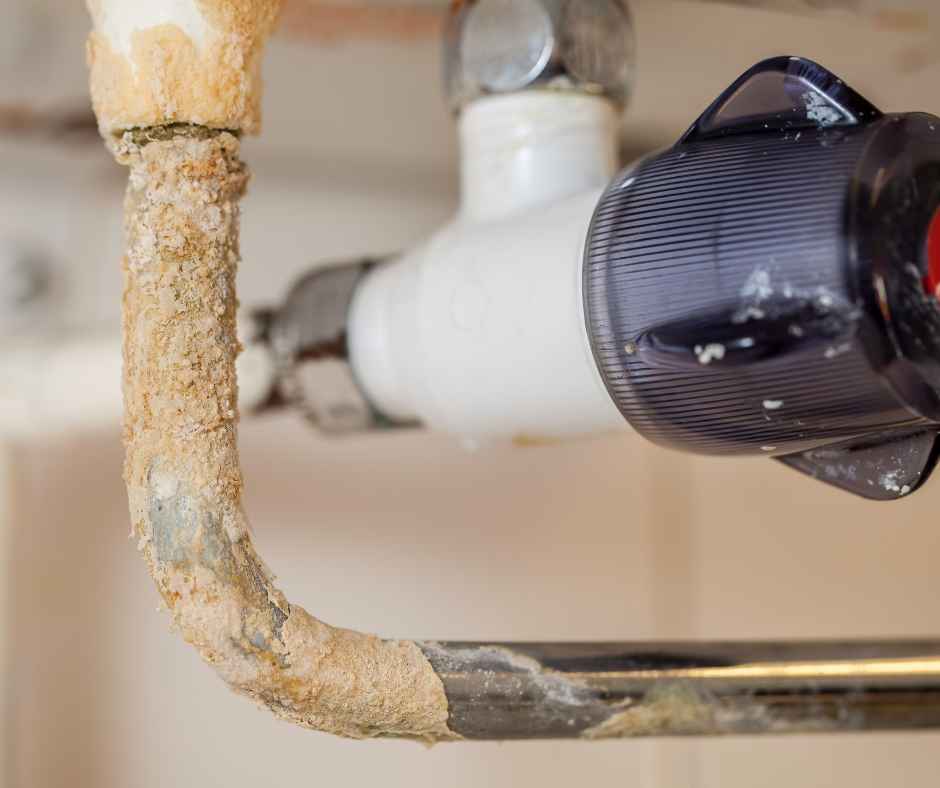
Charleston-area water is not extremely hard, but it is mineral-rich enough to leave scale over time, especially inside water heaters, dishwashers, washing machines, and plumbing fixtures. Charleston Water System’s monthly results show total hardness around 46 mg/L, which falls in the slightly hard range, and even that level can still shorten appliance life when heating, evaporation, and long-term buildup are part of the picture.
Many homeowners think appliance wear comes down to age alone. In Charleston homes, water quality can be a factor in why equipment seems to wear out sooner than expected. Even when the water is not classified as very hard, minerals can still build up gradually inside water heaters, dishwashers, washing machines, and plumbing fixtures. Over time, that buildup can affect efficiency, performance, and maintenance needs.
In this guide, you will learn how mineral content affects household plumbing and appliances, why heated water makes the problem worse, what warning signs homeowners should watch for, and when water treatment starts making practical sense.
Why Slightly Hard Water Still Causes Problems
A lot of people hear “slightly hard” and assume that means no real impact. In practice, mineral buildup is more about time and repetition than about a single dramatic event. Water carrying calcium and magnesium can still leave deposits, especially in systems that heat water or move it through narrow passages. Water softeners are used for exactly this reason: to reduce the minerals that create scale buildup, appliance wear, clogged pipes, and fixture problems over time.
Why Water Heaters Usually Show the Damage First
Water heaters are often the first appliance to feel the effects because they combine heat with constant water use. As minerals settle inside the tank or on heating surfaces, the heater has to work harder to transfer heat effectively. That can reduce efficiency, increase energy use, and make the heater feel older than it should.
Homeowners may notice:
- Less hot water than expected
- Slower hot water recovery
- More noise from the tank
- Higher utility bills
- Earlier replacement than expected
How Hard Water Affects Other Appliances
The same mineral residue that builds up in a water heater can also affect dishwashers, washing machines, ice makers, and other water-using equipment. Over time, scale can collect on internal components, reduce efficiency, and shorten the useful life of those appliances. Water softener guidance specifically points to damage to water-based appliances, clogged pipes, leaky faucets, and chalky film on dishes as common hard-water problems.
That is why the issue often shows up as a pattern rather than as a single obvious failure. A dishwasher leaves more spots. A washing machine seems less effective. A showerhead clogs faster. A coffee maker needs to be cleaned more often. The common thread is mineral buildup happening quietly in the background.
Why Pipes and Fixtures Get Hit Too
Mineral deposits do not stay inside appliances. They also build up in pipes, aerators, showerheads, and plumbing valves. Even when Charleston water is only slightly hard, years of exposure can still leave enough scale to reduce flow and increase maintenance. DOE guidance on water softeners highlights clogged pipes and leaky faucets as common outcomes of mineral deposits.
This often shows up as:
- Showerheads spraying unevenly
- Faucet aerators needing frequent cleaning
- White residue around fixtures
- Reduced water flow at certain taps
- More frequent replacement of smaller plumbing parts
Why Charleston Homes Still Deal With Mineral Buildup
Charleston Water System’s finished water results show hardness at around 46 mg/L, which is not severe but not zero. In real homes, even modest hardness can still create buildup where water is repeatedly heated or allowed to evaporate. That is why homeowners may still see scale on glass, fixtures, and appliance components even if the local water supply is not considered highly hard.
This matters most in homes with:
- High hot water use
- Older water heaters
- Older plumbing fixtures
- Appliances that heat water internally
- Little existing water treatment
Signs Your Water May Be Costing More Than You Think
Homeowners often overlook the pattern because each symptom feels small on its own. The signs that usually matter most include:
- White residue on faucets or showerheads
- Spots on dishes and glassware
- Water heater performance dropping over time
- Appliances needing more maintenance than expected
- Soap and detergent are not working as well
- Reduced flow at fixtures
When those issues start showing up together, water quality is worth a closer look.
When Water Treatment Starts Making Sense
Water treatment becomes a more practical conversation when the same symptoms recur and the home is spending more on maintenance, cleaning, and appliance wear. A softener is not always necessary in every Charleston home, especially where the water is only slightly hard, but it can still make sense when scale is frequent enough to affect comfort, upkeep, or equipment life. Water softeners are intended to reduce mineral deposits, protect appliances, and help prevent buildup in fixtures and pipes over time.
What Homeowners Should Compare
If you are deciding whether treatment is worth it, compare the recurring costs you already see:
- Earlier water heater wear
- Appliance maintenance
- Fixture cleaning and replacement
- Spotting and residue throughout the home
- Plumbing parts clogging or wearing faster
- Utility costs tied to reduced efficiency
That is usually the point where water quality stops feeling like a cosmetic issue and starts looking more like a long-term home systems issue.
What Charleston Homeowners Should Focus On
These are usually the signs that matter most:
- Water heater performance declining
- White scale on fixtures
- Spotting on dishes and glassware
- Appliances needing more attention than expected
- Reduced flow at faucets and showerheads
- A pattern of buildup instead of one isolated issue
Protect Your Appliances Before Buildup Becomes the Normal Cost of Ownership
In Charleston homes, mineral content in the water may not look dramatic on paper, but it can still add wear to your plumbing system and appliances over time. The longer that buildup is ignored, the more it tends to show up as maintenance, cleaning, lower performance, and shorter appliance life.
Preferred Home Services can help you determine whether mineral buildup is affecting your plumbing, water heater, or appliances, and whether a filtration or treatment solution makes sense for your home. Contact us to schedule a water quality evaluation before buildup takes a bigger toll on your system.
![Three men in collared shirts pose and thumbs-up in front of a green backdrop branded with 'Preferred Home Services'.]](https://www.gopreferred.com/wp-content/uploads/2026/08/proud-to-be-family-owned-6140.jpg)