Serving Charleston, Greenville, & Columbia Areas






Trusted by 7911+ Customers
How Mt. Pleasant’s Coastal Climate Impacts HVAC Systems and Indoor Air Quality

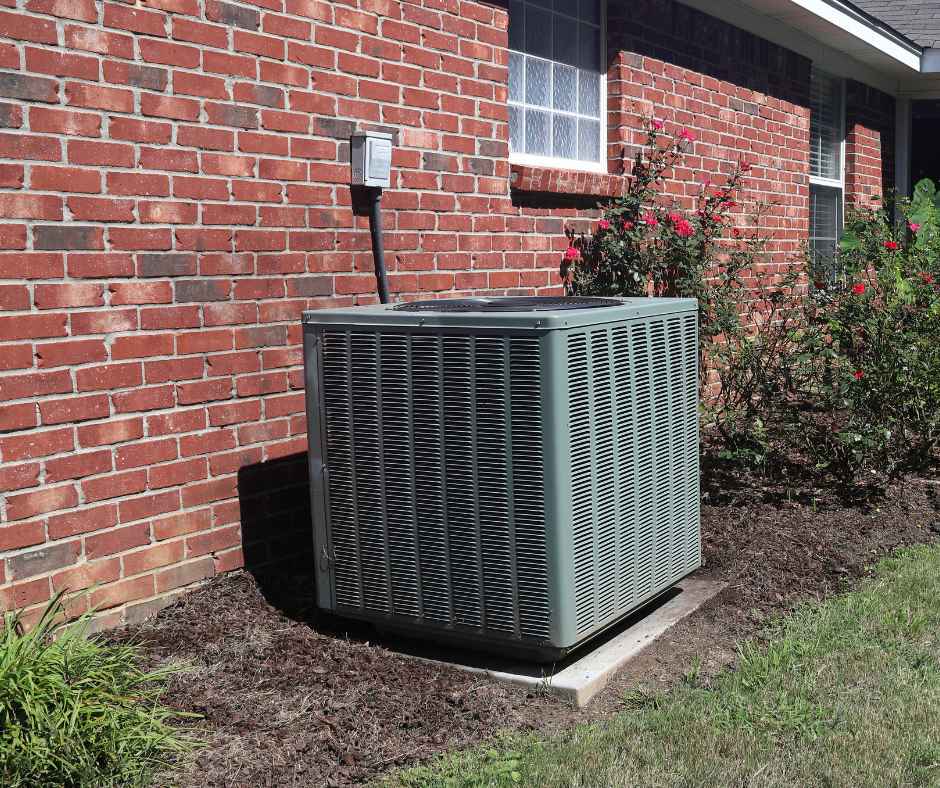
If you live in Mt. Pleasant, you know that the coastal lifestyle comes with a few trade-offs. Warm sea breezes and stunning sunsets are part of daily life, but so are high humidity, salt air, and sudden temperature swings. While these conditions create the charm of coastal living, they also make it challenging to keep your home comfortable and your HVAC system running efficiently.
Mt. Pleasant’s humid subtropical climate means that air conditioners often work overtime, especially in summer. The constant exposure to salty air can corrode metal components, while excess indoor moisture makes it harder to maintain ideal air quality. Without the right maintenance and equipment, homeowners can face issues like reduced system lifespan, higher energy bills, and uncomfortable humidity levels indoors.
In this blog, we’ll explore how Mt. Pleasant’s coastal climate affects HVAC performance and indoor air quality and what you can do to protect your home, your comfort, and your air.
What Defines Mt. Pleasant’s Coastal Climate?
Mt. Pleasant’s weather is shaped by its closeness to the Atlantic Ocean, creating a warm, humid environment throughout most of the year. Average summer highs climb into the upper 80s and 90s, while the nearby water keeps winters mild. The ocean breeze feels refreshing, but it also carries salt and moisture that can affect homes, vehicles, and HVAC systems alike.
Because of this humidity-rich atmosphere, homes in Mt. Pleasant experience more moisture in the air and inside walls compared to inland properties. HVAC systems must work harder to manage both temperature and humidity, particularly during long, sticky summers. This extra workload can lead to faster wear on key parts such as condenser coils, air filters, and fan motors.
The salt in coastal air adds another layer of challenge. When ocean spray evaporates, tiny salt particles settle on outdoor HVAC units. Over time, this buildup leads to corrosion and reduced efficiency if it is not properly managed.
In summary, Mt. Pleasant homeowners face:
- High humidity that strains HVAC systems
- Salt exposure that corrodes metal components
- Seasonal temperature swings that increase system demand
The same climate that makes Mt. Pleasant a beautiful place to live also tests your home’s comfort systems year-round. Understanding these conditions is the first step toward keeping your HVAC system efficient and your indoor air fresh.
How Does Coastal Air Impact HVAC Systems?
Living near the coast means your HVAC system is constantly exposed to air that contains tiny salt particles. These particles are carried inland by the ocean breeze and settle on outdoor units, where they start to react with metal components. Over time, this salt exposure can cause rust, corrosion, and early wear on vital parts like the condenser coil and fan blades.
Humidity compounds the problem. The warm, moist air of Mt. Pleasant causes metal parts to hold onto moisture longer, speeding up corrosion and reducing system performance. In extreme cases, corrosion can even lead to refrigerant leaks or electrical failures.
A system that struggles with corrosion or buildup often has to work harder to maintain indoor comfort. This means:
- Higher energy bills
- Shorter equipment lifespan
- Less consistent temperature control
- Increased need for maintenance and repairs
Preventive steps homeowners can take include:
- Scheduling professional coil cleanings at least twice a year
- Rinsing outdoor units regularly with fresh water to remove salt residue
- Applying anti-corrosion coatings to exposed metal components
- Ensuring proper drainage and airflow around outdoor units
Routine care is the best defense against coastal air damage. With regular inspections and a proactive maintenance plan, homeowners in Mt. Pleasant can keep their systems efficient and reliable despite the challenges of salt and humidity.
Why Does Humidity Matter for Indoor Air Quality?
Humidity plays a major role in how comfortable and healthy your home feels. In Mt. Pleasant’s coastal environment, excess moisture in the air can quickly affect both your indoor air quality and your HVAC system’s ability to perform. When humidity levels stay high, your home can start to feel stuffy, sticky, and uncomfortable.
Beyond comfort, too much humidity can encourage the growth of mold and mildew. These contaminants thrive in moist environments and can spread through your HVAC system if left unchecked. Mold spores not only create musty odors but can also trigger allergies, asthma, and other respiratory issues.
On the other hand, humidity that is too low can cause dry air, leading to static, dry skin, and irritation. The goal is balance, and most experts recommend keeping indoor humidity between 30% and 50% for optimal comfort and air quality.
Signs that your home may have humidity problems include:
- Windows that frequently fog or collect condensation
- A damp or musty smell, especially near vents or in bathrooms
- Visible mold around registers, baseboards, or ductwork
- Increased allergy or asthma symptoms indoors
Simple ways to manage indoor humidity:
- Use a whole-home or portable dehumidifier
- Replace HVAC filters regularly to improve airflow
- Keep vents open and unobstructed to ensure balanced air circulation
- Schedule seasonal HVAC maintenance to check for leaks or drainage issues
Proper humidity control not only protects your health but also reduces stress on your HVAC system, helping it operate more efficiently and last longer.
What Are the Best HVAC Strategies for Coastal Homeowners?
Homeowners in Mt. Pleasant can take several practical steps to protect their HVAC systems from the effects of salt air and humidity while improving indoor air quality. The right strategies help extend system life, reduce energy use, and keep your home feeling comfortable no matter the season.
1. Invest in Moisture Control Solutions
Humidity is one of the biggest challenges in coastal homes. Adding a whole-home dehumidifier can help balance moisture levels throughout your house. These systems work alongside your HVAC to remove excess humidity, preventing mold growth and improving comfort.
2. Upgrade Filtration and Air Purification
Better filtration helps remove allergens, salt particles, and pollutants carried in from the ocean breeze. Consider installing:
- HEPA filters for improved particle capture
- UV light purifiers to eliminate bacteria and mold spores
- Air scrubbers or advanced filtration systems for continuous air cleaning
3. Stay Consistent with Maintenance
Routine service is critical for coastal systems. Regular inspections catch corrosion early and prevent minor issues from becoming costly repairs.
Homeowner maintenance tips:
- Keep outdoor units clear of debris and vegetation
- Rinse condenser coils every few weeks during summer
- Replace filters monthly, especially during peak humidity
- Schedule professional tune-ups twice a year
4. Seal and Insulate Your Home
Air leaks allow moisture and salt air to enter your home. Sealing windows, doors, and ductwork reduces the strain on your HVAC system and keeps conditioned air inside where it belongs.
5. Consider Coastal-Ready Equipment
When it’s time to replace your system, choose HVAC units specifically designed for coastal environments. These systems often have protective coatings, corrosion-resistant parts, and enhanced drainage to handle salt exposure more effectively.
Small upgrades and consistent care make a major difference in the performance and longevity of HVAC systems near the coast. By following these steps, Mt. Pleasant homeowners can enjoy cleaner air and reliable comfort year-round.
How Can You Keep Your Mt. Pleasant Home Comfortable Year-Round?
Mt. Pleasant’s coastal climate is one of the area’s greatest features, but it can also be tough on HVAC systems and indoor air quality. Salt air, humidity, and seasonal temperature swings all work against your home’s comfort and efficiency. The best way to protect your system is through regular maintenance, humidity control, and smart upgrades designed for coastal living.
Homeowners who stay proactive with filter changes, coil cleaning, and seasonal tune-ups enjoy lower energy bills, better air quality, and longer system life. Simple steps like keeping outdoor units clean and monitoring humidity levels make a noticeable difference in how comfortable your home feels throughout the year.
When your HVAC system needs professional attention, Preferred Home Services is here to help. Our local team understands Mt. Pleasant’s unique environment and offers expert solutions that keep your system protected from coastal challenges. With the right care, your home can stay cool, clean, and comfortable no matter what the Lowcountry weather brings.
Contact Preferred Home Services today to schedule your next HVAC maintenance or indoor air quality assessment. Our friendly technicians are ready to help you enjoy year-round comfort in your Mt. Pleasant home.
Frequently Asked Questions About Coastal HVAC and Indoor Air Quality in Mt. Pleasant
How often should I have my HVAC system serviced in a coastal area like Mt. Pleasant?
Because salt and humidity increase wear on your system, it’s best to schedule maintenance twice a year: once in spring and once in fall. Regular tune-ups help catch corrosion and efficiency issues early, extending your system’s life and performance.
Can salt air really damage an HVAC system even if I live a few miles from the ocean?
Yes. Salt particles can travel several miles inland and still cling to outdoor HVAC components. Even if you are not directly on the shoreline, it’s smart to rinse your outdoor unit regularly and schedule coil cleanings to prevent buildup.
What type of air filter works best for homes in humid climates?
High-efficiency filters, such as HEPA or MERV 11–13 filters, are ideal for removing fine particles like salt, dust, and allergens. Just remember to change them monthly during peak humidity or heavy use periods.
How can I tell if my indoor air quality is poor?
Signs of poor air quality include musty odors, increased allergy symptoms, visible mold, or excessive dust near vents. You may also notice your home feels damp or stale even when the temperature is comfortable. Professional air quality testing can pinpoint the cause and recommend the best solution.
What are the benefits of having a dehumidifier in a coastal home?
A dehumidifier reduces moisture levels, preventing mold growth and easing strain on your HVAC system. It also improves comfort by helping your air conditioner cool more efficiently. Many Mt. Pleasant homeowners find that adding one lowers energy bills and keeps indoor air fresher year-round.
![Three men in collared shirts pose and thumbs-up in front of a green backdrop branded with 'Preferred Home Services'.]](https://www.gopreferred.com/wp-content/uploads/2026/08/proud-to-be-family-owned-6140.jpg)