Serving Charleston, Greenville, & Columbia Areas





Trusted by 7939+ Customers
The Most Common AC Repairs Needed in Upstate South Carolina Homes
Living in the Upstate of South Carolina means enjoying the scenic foothills and the vibrant culture of cities like Greenville, Spartanburg, and Anderson. However, the unique environmental conditions of our region, from the pervasive red clay dust to the intense seasonal pollen blankets, create a specific set of challenges for residential cooling systems. When temperatures rise and humidity settles over the Piedmont, your air conditioner must work tirelessly to maintain a stable indoor climate. Over time, these local stressors cause predictable mechanical failures that disrupt comfort and trigger costly emergency service calls.
In this blog, we will identify the most frequent AC repairs encountered by Upstate homeowners and explain how our specific geography influences the lifespan and performance of your HVAC equipment. By recognizing these common issues early, you can take proactive steps to ensure your system remains reliable throughout the demanding cooling season.
Electrical Component Failures: Capacitors and Contactors
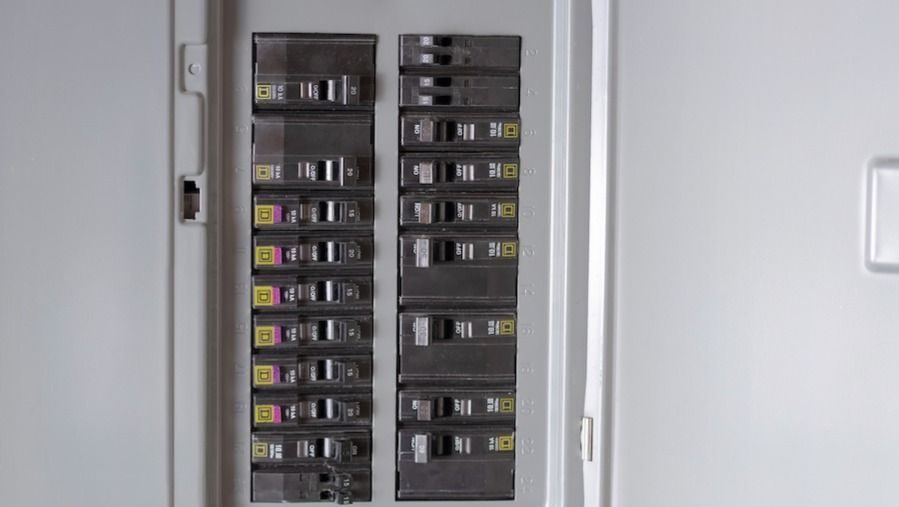
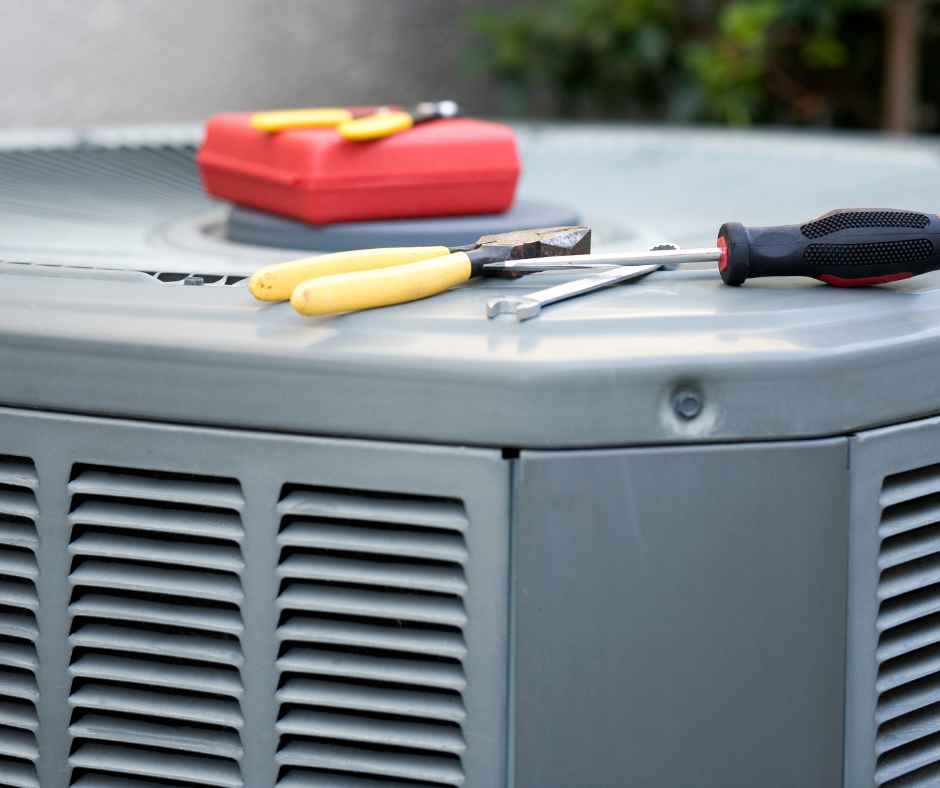
One of the most frequent reasons your air conditioner may fail to start on a sweltering Greenville afternoon is the failure of a small but critical electrical component. Capacitors act like temporary batteries, providing the high-voltage “jolt” needed to kickstart the compressor and the outdoor fan motor. Meanwhile, the contactor acts as a heavy-duty switch, closing the circuit when your thermostat calls for cooling. In the Upstate, these parts are subjected to intense heat cycles and frequent electrical fluctuations from summer storms, making them the most common “wear and tear” items in a residential HVAC system.
Homeowners should be aware of the following indicators that an electrical failure is imminent:
- Audible Clicking or Humming: If you hear a rapid clicking or humming sound from your outdoor unit but the fan won’t spin, the contactor is likely struggling to engage.
- Delayed Startup Times: A failing capacitor often causes the motor to hesitate or hum for several seconds before it finally starts rotating.
- Visible Bulging or Leaking: On a physical inspection, a bad capacitor will often look “swollen” at the top or may show signs of oily residue leaking from its casing.
- Pitted or Burnt Contact Points: Contactors can become “pitted” over time as electrical arcs wear down the metal surfaces, eventually leading to a stuck or non-responsive switch.
- Pest and Debris Interference: In rural Upstate neighborhoods, small insects like ants are frequently attracted to the warmth of the contactor, where they can get crushed between the points and prevent a clean connection.
If you ignore these minor electrical warnings, the added stress can quickly lead to the premature failure of your much more expensive compressor motor. Replacing a capacitor or contactor is a relatively straightforward repair that restores your system’s reliability and prevents a total cooling blackout during a heatwave.
Refrigerant Leaks and the Cost of Modern Coolants
A refrigerant leak is one of the most significant repairs an Upstate homeowner can face because it involves both a mechanical fix and a chemical recharge. Refrigerant is not a fuel that is consumed by your system; therefore, if your levels are low, it is a definitive sign that there is a breach somewhere in your copper lines or coils. In our region, these leaks are often accelerated by the high mineral content in the local soil and the acidic nature of the red clay dust that can settle on outdoor components. As we move through 2026, the cost of addressing these leaks is rising sharply due to national environmental regulations that are phasing out older refrigerants in favor of more environmentally friendly alternatives.
Several factors explain why refrigerant issues are becoming a more complex repair for local residents:
- The R-410A Phase-Down: As of 2026, production of R-410A has been significantly reduced, driving prices per pound higher as supply for older systems dwindles.
- Transition to A2L Refrigerants: New systems installed this year utilize R-454B or R-32, which are more efficient but require specific equipment and training for leak detection and repair.
- Formicary Corrosion: The combination of indoor humidity and common household cleaners can create formic acid, which eats tiny pinholes into copper evaporator coils over a period of several years.
- Vibration and Ground Shifting: The rolling hills of the Piedmont can cause outdoor pads to settle unevenly, leading to vibration that eventually cracks the brazed joints in your refrigerant lines.
- Seasonal Pressure Swings: The dramatic temperature shifts between our chilly Upstate winters and scorching summers cause the metal in your lines to expand and contract, which eventually weakens the seals.
Because of the high cost of modern refrigerants, a “search and seal” approach is now the standard for professional repairs. Simply adding more coolant without fixing the underlying leak is no longer a viable or legal strategy, as it results in recurring costs and environmental harm. By investing in proper leak repair, you protect your compressor from overheating and ensure your system continues to provide effective dehumidification during the muggy peak of summer.
Clogged Condensate Lines and Water Damage Risks
While mechanical failures often grab the headlines, one of the most destructive and common AC repairs in the Upstate is caused by a simple drainage blockage. Your air conditioner does more than just cool the air: it also dehumidifies it by removing gallons of water from your indoor environment every day. This water is collected in a drain pan and discharged from your home through a small PVC pipe known as the condensate line. In the Greenville area, the pervasive red clay dust and high seasonal pollen can combine with this moisture to form a thick, sludge-like substance that effectively seals the line.
If your condensate line becomes obstructed, the water has nowhere to go but back into your home, which leads to several identifiable problems:
- Triggering the Safety Float Switch: Most modern units in the Upstate are equipped with a float switch that automatically shuts off AC power when it detects standing water, preventing an immediate flood but leaving you without cooling.
- Water Stains on Ceilings and Walls: If your air handler is in the attic, a clogged drain often causes unsightly brown water spots on the drywall below the unit.
- Musty or “Sock-Like” Odors: Stagnant water in the drain pan becomes a breeding ground for algae and mold, which then circulates through your ductwork and creates a persistent, unpleasant smell.
- High Indoor Humidity Levels: When water cannot exit the system, it often re-evaporates into the air stream, making your home feel damp and muggy despite the AC running.
- Foundation and Flooring Damage: For units in crawl spaces or basements, an undetected leak can cause rotted floor joists or compromised flooring materials over time.
Preventing these water-related disasters largely depends on routine maintenance and proper filtration. Upstate homeowners who utilize high-quality air filters and schedule annual drain line flushes can avoid the structural damage and health risks associated with indoor biological growth. If your system keeps shutting off unexpectedly, checking the drain pan for standing water is a critical first step in diagnosing a potential blockage before it leads to a major restoration project.
Frozen Evaporator Coils and Airflow Obstructions
A frozen evaporator coil is a frustrating paradox: your air conditioner stops cooling precisely because it has become too cold. This usually occurs when the heat-exchange process is interrupted, causing the refrigerant inside the coil to drop below freezing and solidify the condensation on the exterior into a solid block of ice. In the Upstate, this is frequently a byproduct of high seasonal pollen counts and fine red clay dust that can bypass a low-quality air filter and coat the delicate fins of the indoor coil. Once the ice begins to form, it acts as an insulator that prevents the system from absorbing any further heat from your home, eventually leading to a complete system shutdown.
Several specific issues contribute to the development of ice on your indoor cooling components:
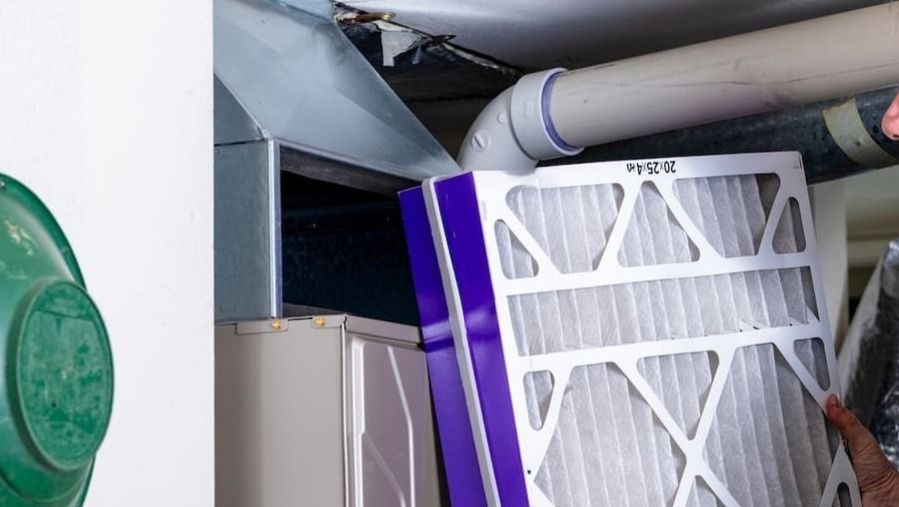
- Restricted Airflow from Dirty Filters: When air cannot pass freely over the coil, the refrigerant stays too cold, which is the most common cause of a frozen system in South Carolina homes.
- Accumulated Debris on Coil Fins: Dust and pollen act as a physical barrier to heat transfer; therefore, even with a clean filter, a dirty coil can still trigger a freeze-up.
- Low Refrigerant Levels: Ironically, having too little refrigerant causes the remaining liquid to expand more rapidly and reach much lower temperatures than intended.
- Blocked or Closed Supply Vents: Closing too many vents in unused rooms reduces the total air volume returning to the system, which can cause the coil temperature to drop.
- Mechanical Blower Motor Issues: If the fan that moves air through your ductwork is failing or spinning too slowly, the resulting lack of airflow will inevitably lead to ice formation.
Thawing a frozen coil is a slow process that requires patience: turn off the cooling function and run the fan alone to melt the ice safely. Attempting to scrape the ice off can cause permanent damage to the fragile aluminum fins and lead to a much more expensive repair. Once the ice has melted, a professional technician can identify the root cause of the airflow restriction and ensure that the system is properly calibrated to prevent the cycle from repeating during the next hot stretch.
Maximizing 2026 Energy Rebates for Upstate Residents
The financial landscape for HVAC repairs and replacements in South Carolina has shifted significantly as of 2026. For many Upstate homeowners, the cost of a major repair on an aging system often makes a full replacement the more economical long-term choice, especially when factoring in new state and federal incentives. The South Carolina Energy Office now facilitates the Home Efficiency Rebates (HOMES) and Home Electrification and Appliance Rebates (HEAR) programs, which are specifically designed to reduce the burden of upgrading to high-efficiency equipment. By combining these with local utility programs from Duke Energy or Dominion Energy, you can fundamentally transform your home’s energy profile while significantly lowering your out-of-pocket costs.
Residents in the Greenville-Spartanburg area should explore these current financial opportunities:
- Duke Energy HVAC Rebates: Homeowners can receive up to $1,000 in rebates for installing qualifying high-efficiency heat pumps or central air conditioning units that meet SEER 2 standards.
- SC HEAR Program Electrification Rebates: This program offers substantial point-of-sale discounts up to $8,000 for households transitioning to energy-efficient electric heat pumps.
- Dominion Energy Heating and Cooling Rebates: If you are a Dominion customer, you may be eligible for rebates up to $500 for replacing an older AC with an ENERGY STAR-certified model.
- Local Duct Sealing Incentives: Both major Upstate utilities offer rebates of approximately $300 to $450 for professional duct sealing, which is essential to ensure your new system performs as intended.
These programs are designed to make high-performance cooling accessible to everyone, regardless of their current budget. Because these rebates often require a pre-installation energy audit or specific contractor certifications, it is vital to coordinate with a professional who understands the filing process. Taking advantage of these 2026 incentives ensures that your next AC repair or replacement contributes to a more sustainable and affordable future for your home.
Expert Upstate AC Solutions from Preferred Home Services
Maintaining a reliable air conditioning system in Upstate South Carolina requires an understanding of how our local environment affects sensitive mechanical components. From the electrical strain of Piedmont summer storms to the physical blockages caused by red clay and pollen, your HVAC unit faces unique challenges every day.
Preferred Home Services is proud to serve as the region’s authority on high-efficiency cooling and precision repairs. Our team stays current on the latest 2026 rebate programs and refrigerant standards to ensure you receive the most cost-effective and reliable service possible. Contact us today to schedule your annual maintenance or to discuss how you can maximize your energy savings with a modern HVAC upgrade.
Why is my AC making a loud screeching noise when it starts up?
A loud screeching or squealing sound is usually a sign of a failing blower motor belt or a bearing issue within the fan motor. In the Upstate, this can be exacerbated by fine dust particles that enter the motor housing and increase friction over time.
Can red clay dust actually damage my outdoor AC unit?
Yes, red clay dust is extremely fine and can become trapped deep within the aluminum fins of your outdoor condenser coil. This creates a thermal barrier that prevents the unit from dissipating heat, eventually causing the compressor to overheat and fail.
What is the “Home Energy Check” required for Duke Energy rebates?
The Home Energy Check is a free assessment provided by the utility to identify where your home is losing energy. Completing this audit within the 24 months prior to your installation is a mandatory requirement for most HVAC rebates in the Upstate.
Is it normal for my AC to smell like dirty socks?
This odor, often called “Dirty Sock Syndrome,” is caused by bacterial growth on a damp evaporator coil. It is common in humid regions such as South Carolina and typically requires professional coil cleaning to eliminate organic buildup and the resulting odor.
How does the 2026 refrigerant change affect my current AC repair?
Systems using older refrigerants, such as R-410A, are becoming more expensive to repair as the supply of these chemicals is phased down nationally. If your older unit has a major leak, the high cost of the recharge often makes a new, eco-friendly system a better investment.