Serving Charleston & Greenville Areas






Trusted by 7878+ Customers
Flickering Lights After Storms in Charleston? When Your Electrical Panel Needs an Upgrade

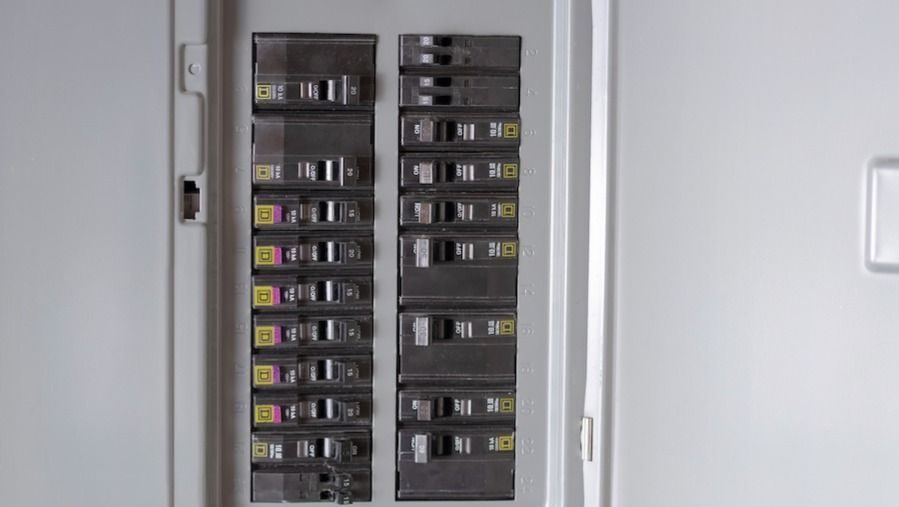
A strong Charleston storm rolls through, the power flickers a few times, and everything eventually settles down. But what if your lights keep flickering after the storm has passed?
Occasional flickering during severe weather can be related to a temporary power disturbance. Repeated flickering afterward deserves more attention, especially when it affects multiple rooms or occurs alongside tripped breakers, buzzing sounds, unusual odors, or other electrical problems.
The electrical panel may be a source, but it is not the only one. Flickering can originate with a bulb, fixture, circuit, electrical connection, utility service, or another part of the home’s electrical system.
In this guide, we’ll explain why lights can flicker during and after Charleston storms, which warning signs deserve professional attention, and when an electrical panel upgrade may be the right solution for your home.
Why Do Lights Flicker During or After a Storm?
Lights can flicker when the electricity supplying them is interrupted or fluctuates. During thunderstorms and severe weather, those changes may originate outside your home.
Possible causes include:
-
Temporary utility power fluctuations
-
Storm-related utility problems
-
Electrical surges
-
Problems with a circuit
-
Loose or deteriorating electrical connections
-
Fixture or bulb problems
-
Damage to electrical equipment
-
Problems involving the electrical panel or service
That is why the timing of the flicker doesn’t provide a complete diagnosis. If several homes in the neighborhood appear to be experiencing the same problem, the utility supply may be involved. If the storm has ended and flickering continues only inside your home, have an electrician evaluate your electrical system.
When Are Flickering Lights a Sign of a Bigger Electrical Problem?
Start by looking at the scope and pattern of the problem. One flickering lamp may have a loose bulb or fixture-related issue. Lights repeatedly flickering throughout several rooms can point toward a broader electrical problem.
Pay closer attention when:
-
Multiple lights flicker simultaneously.
-
The problem affects several rooms.
-
Lights frequently dim and brighten.
-
Flickering continues after the storm.
-
Breakers repeatedly trip.
-
Flickering happens when certain appliances operate.
-
You hear buzzing or crackling.
-
You notice burning or unusual electrical odors.
The more widespread and persistent the problem, the less likely simply changing a light bulb will solve it.
Electrical problems can also create fire and shock hazards, so don’t ignore recurring symptoms.
How Can You Tell if the Problem Is Your Electrical Panel?
You cannot reliably determine panel condition from flickering lights alone.
An electrical panel distributes electricity through the circuits serving your home. Problems involving the panel, breakers, connections, or electrical service can sometimes affect how power reaches multiple areas.
Potential clues that the panel deserves professional inspection include:
-
Frequent breaker trips
-
Problems affecting multiple circuits
-
Buzzing or crackling near the panel
-
Burning odors
-
Visible discoloration
-
Signs of overheating
-
Corrosion or moisture
-
Difficulty supporting the home’s electrical needs
-
Recurring electrical problems without an obvious fixture-level cause
These symptoms do not automatically mean the panel needs replacement.
A licensed electrician should determine whether the issue originates in the panel, elsewhere in the home’s wiring, or on the utility side before recommending an upgrade.
Can Storms Damage an Electrical Panel?
Storm-related electrical events can potentially damage components within a home’s electrical system.
Lightning doesn’t need to strike your electrical panel directly for electrical equipment to be affected. Surges and other power disturbances can travel through connected systems and potentially damage electrical or electronic components.
Depending on what happened, the affected equipment could include:
-
Electrical panel components
-
Appliances
-
HVAC equipment
-
Electronics
-
Lighting
-
Electrical controls
-
Other connected devices
Not all storm-related electrical damage is immediately obvious.
A device may stop working completely, or you may notice subtler symptoms such as flickering, unusual operation, repeated breaker trips, or electrical equipment behaving differently than it did before the storm.
Do not remove your electrical panel cover to look for damage yourself. Internal panel components can remain hazardous even when you think the power is off.
What Electrical Panel Warning Signs Should You Never Ignore?
Certain symptoms require prompt professional attention because they can indicate potentially dangerous electrical conditions.
Watch for:
-
Burning or melting odors
-
Buzzing, sizzling, or crackling
-
Visible sparks or arcing
-
Smoke
-
Heat around electrical equipment
-
Scorch marks or discoloration
-
Frequently tripping breakers
-
Corrosion or moisture around the panel
-
Persistent whole-home flickering
If you see smoke, fire, or active sparking, keep away from the affected equipment and contact emergency services when appropriate.
Do not repeatedly reset a breaker that keeps tripping. A breaker is designed to interrupt electrical flow under certain conditions. Resetting it repeatedly without identifying the cause can leave the underlying problem unresolved.
What Should You Do if Your Lights Start Flickering After a Charleston Storm?
You can gather useful information without opening electrical equipment or attempting repairs yourself.
Start by observing the problem:
-
Is one light flickering or several?
-
Is one room affected or the entire house?
-
Did the problem begin during the storm?
-
Does it continue after the weather improves?
-
Do neighbors appear to have similar power problems?
-
Are breakers tripping?
-
Are there unusual sounds or odors?
If the issue appears widespread beyond your property, contact your electric utility to check for a service problem.
If the problem appears limited to your home, continues after the storm, or occurs with other electrical warning signs, contact an electrician.
Avoid taking apart fixtures, opening the electrical panel, or attempting internal wiring repairs to diagnose the problem.
When Does an Electrical Panel Need to Be Upgraded?
An electrical panel may need replacement or upgrading when its condition, capacity, or configuration can no longer safely meet the home’s needs.
Reasons an electrician may recommend an upgrade include:
-
Significant deterioration
-
Identified safety concerns
-
Insufficient electrical capacity
-
Recurring panel-related problems
-
Major home additions or renovations
-
Installation of high-demand electrical equipment
-
Extensive electrical upgrades
-
Damage that makes replacement necessary
A panel upgrade should address a specific need.
If a loose connection elsewhere in the home causes flickering, installing a larger panel may not solve the problem. Likewise, a healthy panel with sufficient capacity does not need replacement simply because a storm caused a temporary utility fluctuation.
Does an Older Electrical Panel Automatically Need Replacement?
No. Age provides context, but it doesn’t tell you everything about an electrical panel’s condition.
An electrician may consider:
-
Physical condition
-
Electrical capacity
-
Panel and breaker condition
-
Previous modifications
-
Signs of overheating or deterioration
-
Current household electrical demand
-
Compatibility with planned upgrades
-
Identified safety concerns
Older homes can also change significantly over time. A house that once had relatively modest electrical needs may now have larger HVAC equipment, multiple televisions and computers, upgraded kitchen appliances, home office equipment, and other electrical loads.
Can a Panel Upgrade Help With Modern Electrical Demand?
Yes, when the existing electrical service or panel doesn’t have enough capacity for the home’s current or planned needs.
Modern households can include significant electrical loads from equipment such as:
-
Heating and cooling systems
-
Electric ranges and ovens
-
Clothes dryers
-
Water heaters
-
EV chargers
-
Hot tubs
-
Workshop equipment
-
Home additions
-
Newly electrified appliances
However, homeowners should not assume that installing one new appliance automatically requires a panel upgrade.
An electrician can evaluate existing service capacity, current loads, available panel space, equipment requirements, and other electrical conditions before determining whether an upgrade is necessary.
If an upgrade is recommended, it can also be an opportunity to plan for future electrical needs rather than addressing each new addition separately.
Should You Consider Surge Protection With a Panel Upgrade?
For Charleston homeowners concerned about storms and power disturbances, it’s worth discussing whole-home surge protection with an electrician.
A whole-home surge protective device is typically installed as part of the home’s electrical system and provides a layer of protection against certain voltage surges.
This can complement individual surge-protective devices used for electronics.
Whole-home surge protection may help protect:
-
Appliances
-
HVAC equipment
-
Televisions
-
Computers
-
Smart-home equipment
-
Other connected electronics
However, surge protection is not a force field around your home.
No surge protective device can guarantee that every appliance will survive every lightning strike, surge, or electrical event. The goal is to add another layer of protection against certain electrical disturbances.
How Does an Electrician Diagnose Flickering Lights?
Professional diagnosis focuses on identifying the source of the electrical irregularity before recommending a repair or upgrade.
Depending on the symptoms, an electrician may evaluate:
-
Which circuits are affected
-
Electrical connections
-
Breaker operation
-
Panel condition
-
Signs of overheating
-
Electrical loads
-
Service-related conditions
-
Fixtures or equipment associated with the problem
-
Other relevant portions of the electrical system
The pattern you noticed can help.
Tell the electrician whether flickering began during a storm, affects the entire house, happens when a particular appliance starts, or occurs alongside breaker trips or unusual sounds.
Those details can help narrow down the possibilities.
Most importantly, professional inspection separates a repairable electrical problem from a situation where panel replacement or a larger electrical upgrade is actually justified.
Get Your Electrical System Checked With Preferred Home Services
Flickering lights after a Charleston storm do not automatically mean your electrical panel has failed. The problem could involve the utility supply, a fixture, a circuit, a connection, your electrical service, or another component in your home. What matters is recognizing when the symptoms deserve more than a new light bulb.
Persistent flickering, problems affecting multiple rooms, repeated breaker trips, buzzing, burning odors, heat, or other electrical abnormalities should be evaluated by a professional. If the panel is deteriorating, damaged, or can no longer support your home’s electrical needs, an upgrade may be the right solution.
Preferred Home Services can inspect your electrical system, identify the source of recurring electrical problems, and determine whether repair or an electrical panel upgrade makes sense for your Charleston home. If your lights have been behaving differently after recent storms, contact us today to schedule professional electrical service.
![Three men in collared shirts pose and thumbs-up in front of a green backdrop branded with 'Preferred Home Services'.]](https://www.gopreferred.com/wp-content/uploads/2026/08/proud-to-be-family-owned-6140.jpg)