Serving Charleston, Greenville, & Columbia Areas






Trusted by 7911+ Customers
Why Your Greenville Drains Keep Clogging: Beyond DIY Solutions
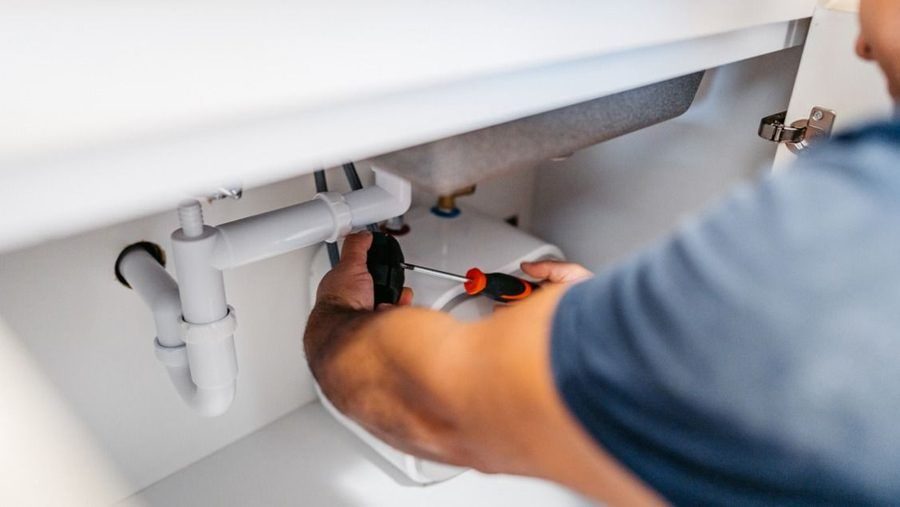
A drain that keeps clogging is usually telling you that the original problem was never fully resolved. Hair, grease, soap residue, wipes, tree roots, and pipe damage can all create recurring blockages, and a quick DIY fix may only reopen a small path through the obstruction instead of removing the cause.
In this guide, you will learn why drains keep clogging, when a problem may be deeper than one fixture, and when professional drain cleaning or sewer inspection makes more sense than another temporary fix.
Why Does the Same Drain Keep Clogging?
Recurring clogs usually happen because buildup remains inside the pipe or because something about the plumbing system keeps allowing debris to collect.
Common causes include:
-
Hair and soap residue
-
Grease and cooking oils
-
Food debris
-
Wipes
-
Hygiene products
-
Foreign objects
-
Mineral buildup
-
Tree roots
-
Corrosion
-
Cracked pipes
-
Shifted joints
-
Sagging sections of drain or sewer line
A drain can appear clear after plunging or snaking even when part of the obstruction is still there. Water starts flowing again, but the remaining material catches more debris and the clog returns.
That is why repeated clogs deserve more attention than a one-time slow drain.
Why Do DIY Drain Fixes Sometimes Only Work Temporarily?
Basic DIY methods can be useful for simple, localized clogs. A plunger may clear a toilet blockage. A drain tool may remove hair near a shower opening. A simple hand snake may reach a small obstruction close to the fixture. The problem is that these methods do not always remove the entire blockage.
Imagine a drain pipe coated with grease or soap residue. A small snake may punch a hole through the buildup and restore flow without cleaning the pipe walls. The opening may be enough for water to pass for a while, but more debris can quickly collect around the remaining material.
This creates an important distinction: opening a path through a clog is not always the same as fully removing what caused it.
If the same drain slows again within days or weeks, the problem may be farther inside the line.
What Causes Drains to Clog Over and Over?
Different drains tend to have different recurring problems. Kitchen drains commonly collect grease, oils, and food residue. Bathroom sinks and showers are more likely to accumulate hair, soap, and personal-care products. Toilets may develop blockages from excess paper, wipes, or foreign objects.
Deeper in the system, recurring clogs may be caused by conditions that have little to do with everyday drain use.
These can include:
-
Tree roots entering through damaged joints
-
Scale narrowing the inside of older pipes
-
Corrosion catching debris
-
Misaligned pipe sections
-
Low spots that hold wastewater
-
Cracks or structural damage
-
Partial pipe collapse
Not every recurring clog means the sewer line is damaged. Many still come from removable buildup. The important step is figuring out whether the obstruction is local, deeper in the drain system, or related to the pipe itself.
What Does It Mean When Several Drains Are Slow at Once?
Multiple slow drains are more concerning than one clogged fixture.
Your sinks, tubs, showers, toilets, and appliances eventually connect to larger shared drain lines. If several fixtures begin slowing at the same time, the restriction may be in a common downstream pipe.
You may notice:
-
Several sinks draining slowly
-
A toilet gurgling when the shower runs
-
Water rising in a tub when the washing machine drains
-
A floor drain backing up
-
Multiple toilets becoming difficult to flush
These symptoms suggest that wastewater is having trouble moving through a shared part of the system. A single slow bathroom sink may be a local clog. A toilet, shower, and floor drain all acting up together point to a different kind of problem. If several fixtures are affected, avoid running large amounts of water until the cause is identified.
Why Are Your Drains Gurgling or Smelling Like Sewer?
Gurgling sounds can happen when wastewater and air are not moving freely through the drain system. A restriction can change air pressure inside the pipes, causing bubbles or gurgling in nearby fixtures.
For example, you may hear:
-
A toilet gurgle after a sink drains
-
A shower bubble when the washing machine empties
-
A floor drain make noise after a toilet flush
Sewer odors can also appear when wastewater sits behind a blockage or when another drainage issue is present.
Possible causes include:
-
A slow or blocked drain
-
Trapped wastewater
-
A dry trap
-
Venting problems
-
A leaking cleanout
-
A deeper sewer-line issue
Gurgling or odor alone does not prove there is a main sewer clog. The concern becomes stronger when those symptoms appear alongside multiple slow drains or wastewater backups.
Should You Keep Using Chemical Drain Cleaners?
Chemical drain cleaners may dissolve some organic material, but they are not a reliable answer for recurring clogs.
They are unlikely to solve problems caused by:
-
Tree roots
-
Solid foreign objects
-
Major grease buildup
-
Cracked pipe
-
Shifted joints
-
Sewer bellies
-
Partial collapse
Repeated chemical use can also complicate professional service if corrosive material remains in the line. Never mix different drain-cleaning chemicals. Chemical combinations can create dangerous reactions or fumes. If you already used a chemical product before calling a plumber, mention it before service begins.
For a visible hair clog near the drain opening, mechanical removal may be more useful than repeatedly pouring cleaner down the pipe. For a recurring or deep clog, diagnosis is usually more valuable than another bottle of chemicals.
What Does Professional Drain Cleaning Do Differently?
Professional drain cleaning gives a plumber access to equipment that can reach farther into the system and address more substantial buildup. The exact method depends on the location and type of obstruction.
A plumber may use:
-
Professional drain cables
-
Specialized cutting heads
-
Root-cutting equipment
-
High-pressure cleaning when appropriate
-
Main-line access through a cleanout
-
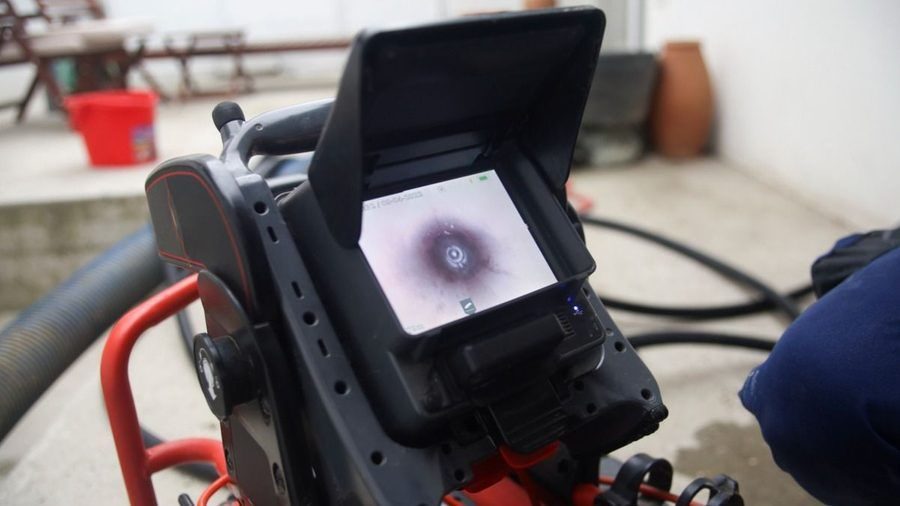
Camera inspection when deeper diagnosis is needed
The biggest advantage is not simply stronger equipment. It is matching the method to the actual problem. A professional can consider which fixtures are affected, how often the clog returns, where the blockage is likely located, and whether the pipe itself may be contributing to the issue. That can help prevent a cycle of repeated temporary fixes.
When Is a Sewer Camera Inspection Worth It?
A sewer camera inspection is not necessary for every clogged sink or toilet.
It becomes more useful when:
-
The same main-line clog keeps returning
-
Several drains are affected
-
Tree roots are suspected
-
Cleaning provides only temporary relief
-
Older underground piping is involved
-
A cracked or shifted section is suspected
-
The cause cannot be determined from symptoms alone
A waterproof camera can be sent through accessible sections of the sewer line to look for roots, cracks, corrosion, offset joints, standing water, or partial collapse. A major blockage may need to be cleared before the camera can pass through the line.
Drain cleaning restores flow. Camera inspection helps determine why the flow became restricted. That difference matters when homeowners have already paid to clear the same line more than once.
When Is Drain Cleaning Not Enough?
Drain cleaning can solve many blockages when the pipe itself remains structurally sound.
It may be enough when the problem involves:
-
Hair
-
Grease
-
Food debris
-
Wipes
-
Isolated buildup
-
Roots that can be removed
Repair becomes more likely when the pipe itself is causing the problem.
Examples include:
-
Roots repeatedly entering through the same crack
-
A separated joint
-
A sagging section that holds wastewater
-
Significant corrosion
-
A shifted pipe
-
Partial collapse
Cleaning a damaged line may restore flow temporarily without preventing the problem from coming back.
The correct solution should be based on what is happening inside the pipe rather than how dramatic the clog feels at the fixture.
What Drain Problems Should You Call a Plumber for Right Away?
Some drainage problems should not wait.
Call for professional service promptly if you notice:
-
Sewage backing up into tubs or showers
-
Several drains becoming unusable
-
Wastewater coming from a floor drain
-
Strong sewer odors with active backup
-
A blockage worsening rapidly
-
The same main-line clog returning repeatedly
If sewage is backing up, reduce household water use. Avoid running the washing machine, dishwasher, showers, and other high-volume fixtures. Every gallon of water entering a blocked system can increase the amount that backs up indoors. Keep people and pets away from contaminated wastewater and avoid direct contact with sewage.
How Can You Reduce the Chances of Another Clog?
Good habits can reduce recurring buildup, although they cannot repair damaged pipes.
Helpful steps include:
-
Keep grease out of kitchen drains
-
Avoid flushing wipes
-
Use hair strainers in showers and tubs
-
Keep food debris out of sinks
-
Respond to slow drainage early
-
Ask what caused the blockage after professional cleaning
-
Keep records of recurring drain problems
-
Consider deeper inspection when the same clog keeps returning
If roots, corrosion, or pipe damage are involved, prevention may require more than changing household habits.
The goal is to reduce avoidable buildup and recognize when a repeating pattern deserves professional attention.
Stop Clearing the Same Clog Without Finding the Cause
A one-time clogged drain may be a simple household problem. A drain that repeatedly slows, gurgles, or backs up is telling you that something deeper may be going on.
DIY methods can be useful for minor obstructions, but they may only provide temporary relief when buildup remains inside the pipe or the line itself is damaged. Multiple slow drains, recurring backups, and sewer odors are all reasons to look beyond the fixture and consider the larger drainage system.
Preferred Home Services helps Greenville homeowners diagnose recurring drain problems, perform professional drain cleaning, and determine when sewer inspection or repair is needed. If the same clog keeps coming back despite repeated DIY attempts, contact us today to schedule professional plumbing service.
![Three men in collared shirts pose and thumbs-up in front of a green backdrop branded with 'Preferred Home Services'.]](https://www.gopreferred.com/wp-content/uploads/2026/08/proud-to-be-family-owned-6140.jpg)