Serving Charleston, Greenville, & Columbia Areas





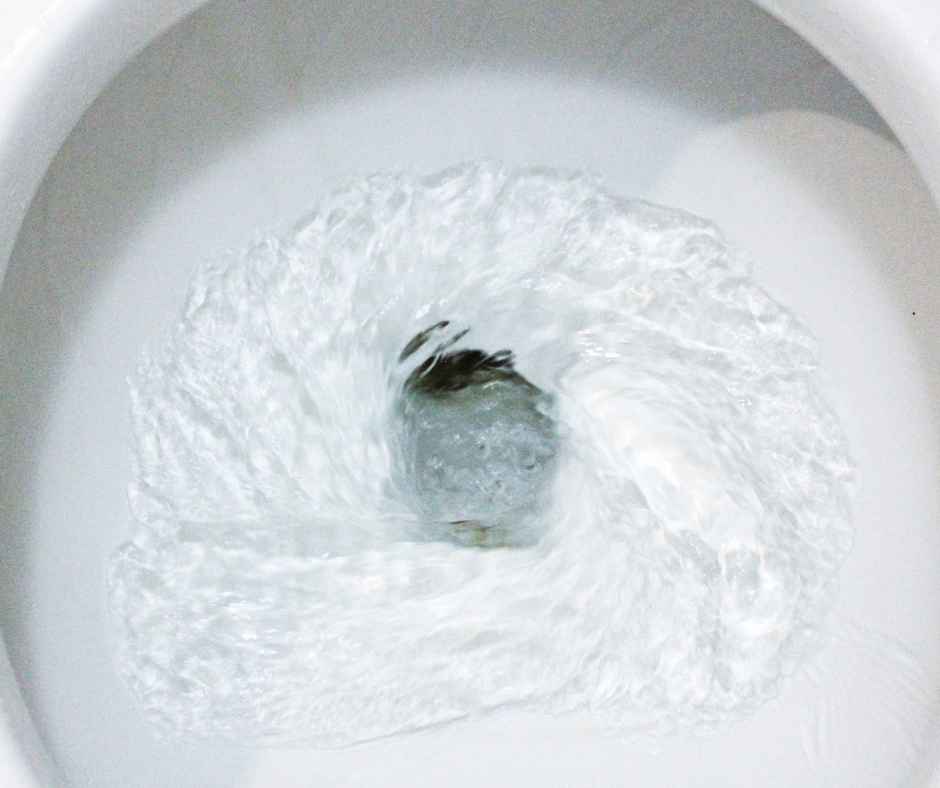
A running toilet can be more than a minor annoyance. It can waste water, increase utility bills, and point to worn or malfunctioning toilet parts. If your toilet will not stop running, the most common causes are a faulty flapper, a chain issue, a float problem, a malfunctioning fill valve, or water flowing into the overflow tube.
For homeowners in Charleston and Greenville, knowing how to stop a running toilet can help prevent water waste and avoid larger plumbing repairs. Some running toilet issues can be fixed with simple adjustments, while others require professional toilet repair.
Why Is My Toilet Running?
A toilet usually keeps running because water is continuously moving from the tank into the bowl or into the overflow tube. This often happens when one of the internal tank components is worn, misaligned, or failing.
Common causes include:
- Faulty flapper: The flapper may be worn, cracked, warped, or unable to seal properly.
- Chain problems: The chain may be too tight, too loose, tangled, or disconnected.
- Float issues: The float may be set too high or too low, causing incorrect water levels.
- Fill valve problems: A faulty fill valve may continue allowing water into the tank.
- Overflow tube issues: If the tank water level is too high, water can spill into the overflow tube, keeping the toilet running.
What Should You Do First When a Toilet Will Not Stop Running?
The first step is to turn off the toilet’s water supply. Locate the shutoff valve behind or near the base of the toilet and turn it clockwise until it stops.
This prevents more water from entering the tank while you inspect the parts. Once the water is off, remove the tank lid and place it in a safe place. Toilet tank lids can crack or break if dropped.
How Do You Check the Flapper?
The flapper is the rubber valve at the bottom of the tank. It lifts when you flush and then seals again to stop water from flowing into the bowl.
To inspect the flapper:
- Flush the toilet to drain most of the water from the tank.
- Look at the flapper at the bottom of the tank.
- Check for cracks, warping, mineral buildup, or signs of wear.
- Make sure it sits flat over the flush valve opening.
If the flapper does not seal properly, water will continue leaking into the bowl, and the toilet may keep running.
How Do You Replace a Toilet Flapper?
If the flapper is worn or damaged, replacing it is usually a simple repair.
To replace the flapper:
- Turn off the water supply.
- Flush the toilet to empty most of the tank.
- Disconnect the chain from the flush handle.
- Unhook the old flapper from the overflow tube.
- Attach the new flapper to the overflow tube.
- Reconnect the chain to the flush handle.
- Turn the water supply back on and test the toilet.
Make sure the chain has slight slack. If it is too tight, the flapper may not close. If it is too loose, the toilet may not flush correctly.
How Do You Adjust the Toilet Chain?
A chain that is too tight can hold the flapper open. A chain that is too loose may prevent the flapper from lifting fully during a flush.
To adjust it:
- Look at the chain between the flush handle and flapper.
- Make sure it is not tangled.
- Adjust the chain so it has about half an inch of slack.
- Flush the toilet and watch whether the flapper opens and closes correctly.
If the chain is broken, rusted, or repeatedly tangles, it should be replaced.
How Do You Check the Float?
The float controls the water level in the toilet tank. If the float is set too high, water can rise above the proper level and spill into the overflow tube. This can cause the toilet to keep running.
There are two common types of floats:
Ball float: A round ball connected to an arm.
Cup float: A smaller float attached to the fill valve.
To adjust a ball float, gently bend the arm downward to lower the water level.
To adjust a cup float, use the adjustment screw or clip on the fill valve to lower the float.
After adjusting, flush the toilet and make sure the water stops below the top of the overflow tube.
How Do You Know if the Fill Valve Is the Problem?
The fill valve controls water entering the toilet tank after each flush. If it is worn, stuck, or malfunctioning, water may continue flowing even after the tank is full.
Signs of a fill valve problem include:
- The toilet runs constantly
- The tank refills slowly
- The toilet makes hissing or whistling sounds
- Water keeps flowing into the overflow tube
- The toilet randomly turns on and off
If adjusting the float does not solve the problem, the fill valve may need to be cleaned, adjusted, or replaced.
What Is the Overflow Tube, and Why Does It Matter?
The overflow tube prevents the tank from overflowing by directing excess water into the bowl. However, if the water level is set too high, water will continue to flow into the overflow tube, causing the toilet to run.
The water level should usually sit about an inch below the top of the overflow tube. If it is too high, adjust the float or fill valve until the water shuts off at the correct level.
Can a Running Toilet Waste a Lot of Water?
Yes. A running toilet can waste a significant amount of water, especially if it runs continuously. Even a small leak from the tank to the bowl can add up over time.
For Charleston and Greenville homeowners, fixing a running toilet quickly can help reduce water waste, lower utility bills, and prevent avoidable plumbing wear.
How Can You Prevent a Toilet From Running Again?
Regular toilet maintenance can help prevent running toilets and other plumbing problems.
Helpful maintenance tips include:
- Inspect tank parts regularly: Check the flapper, chain, float, fill valve, and overflow tube.
- Replace worn parts: Flappers and fill valves wear out over time and should be replaced when needed.
- Check for leaks: Listen for running water and look for movement in the bowl when the toilet has not been flushed.
- Adjust water levels: Make sure the tank water level stays below the top of the overflow tube.
- Avoid forcing the handle: A sticking handle can affect the chain and flapper.
- Schedule plumbing service when needed: A professional plumber can identify hidden issues and replace failing parts correctly.
When Should You Call a Plumber for a Running Toilet?
You should call a plumber if you have tried basic troubleshooting and the toilet still will not stop running. You should also schedule professional service if the toilet has unusual noises, multiple failing parts, leaks around the base, weak flushing, or repeated problems.
Professional help is recommended if:
- The toilet keeps running after replacing the flapper
- The fill valve will not shut off
- The shutoff valve does not work
- Water leaks around the base of the toilet
- The toilet makes unusual hissing, bubbling, or gurgling sounds
- The tank components are old or corroded
- You are not comfortable working inside the toilet tank
A professional plumber can diagnose the issue quickly and help prevent water waste or damage.
Is It Better to Repair or Replace a Running Toilet?
In many cases, a running toilet can be repaired by replacing the flapper, fill valve, chain, or other internal tank parts. However, replacement may be worth considering if the toilet is old, inefficient, cracked, leaking, or needs frequent repairs.
A plumber can help determine whether a simple repair is enough or whether a new toilet would be a better long-term solution.
Preferred Home Services: Toilet Repair in Charleston and Greenville
Learning how to stop a toilet from running can save water, money, and frustration. But if the problem continues or you prefer not to handle the repair yourself, Preferred Home Services can help.
Our experienced plumbers provide toilet repair services for homeowners in Charleston and Greenville. Whether the issue is a faulty flapper, fill valve problem, chain adjustment, overflow tube issue, or another plumbing concern, our team can restore your toilet’s performance.
Contact Preferred Home Services today to schedule toilet repair in Charleston or Greenville.
![Three men in collared shirts pose and thumbs-up in front of a green backdrop branded with 'Preferred Home Services'.]](https://www.gopreferred.com/wp-content/uploads/2026/08/proud-to-be-family-owned-6140.jpg)