Serving Charleston, Greenville, & Columbia Areas






Trusted by 7911+ Customers
How to Flush a Water Heater in Charleston and Greenville Homes

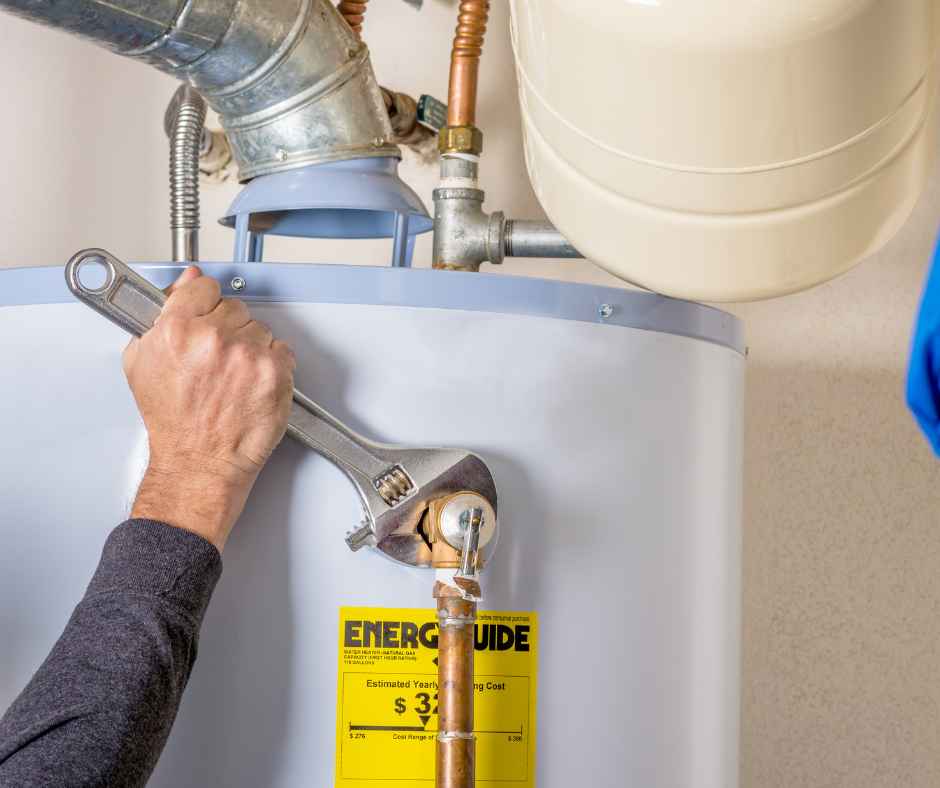
Regular water heater maintenance helps keep your system efficient, reliable, and long-lasting. One of the most important maintenance tasks is flushing the water heater to remove sediment buildup from the tank.
So, how do you flush a water heater? In general, you turn off the power or gas, shut off the cold water supply, connect a hose to the drain valve, drain the tank, flush out sediment, refill the tank, and restore power or gas. This process helps remove mineral deposits that can reduce efficiency and shorten the unit’s life.
For homeowners in Charleston and Greenville, routine flushing can be especially helpful because minerals in the water supply, daily hot water use, and normal sediment buildup can all affect water heater performance over time.
Why Is Flushing a Water Heater Important?
Flushing a water heater is important because sediment and mineral deposits can collect at the bottom of the tank. Over time, this buildup can make the water heater work harder, reduce efficiency, increase energy costs, and contribute to premature wear.
In a tank-style water heater, minerals from the water supply settle as the water is heated. If the sediment is not removed, it can harden and create a barrier between the burner or heating element and the water inside the tank.
This can lead to:
- Higher energy bills: The system must use more energy to heat the same amount of water.
- Less hot water: Sediment can reduce usable tank capacity.
- Noisy operation: Popping, rumbling, or banging sounds may occur as water heats beneath sediment.
- Shorter equipment lifespan: Extra strain can wear down the tank and internal components.
- More repair needs: Sediment buildup can contribute to overheating, valve issues, and reduced performance.
Flushing the tank helps clear this buildup and improve water heater performance.
How Often Should You Flush a Water Heater?
Most homeowners should flush a tank-style water heater at least once a year. Homes with hard water, high hot-water usage, or frequent sediment buildup may need to be flushed more often.
In Charleston and Greenville, the right schedule can depend on water quality, household size, and how much hot water your family uses. If your water heater makes popping noises, runs out of hot water quickly, or has not been serviced in years, it may be overdue for a flush.
A professional plumber can recommend the best maintenance schedule for your home.
What Tools Do You Need to Flush a Water Heater?
Before flushing a water heater, gather the right tools and safety equipment.
You may need:
- A garden hose
- A bucket
- Protective gloves
- Safety goggles
- A towel or rag
- A flathead screwdriver
Because hot water can cause burns and water heaters involve gas or electrical connections, safety is important. If you are not comfortable performing the steps, it is best to schedule professional water heater maintenance.
How Do You Flush a Water Heater Step by Step?
Flushing a water heater involves draining the tank and rinsing out sediment. Always follow the manufacturer’s instructions for your specific unit.
Step 1: Turn Off the Water Heater
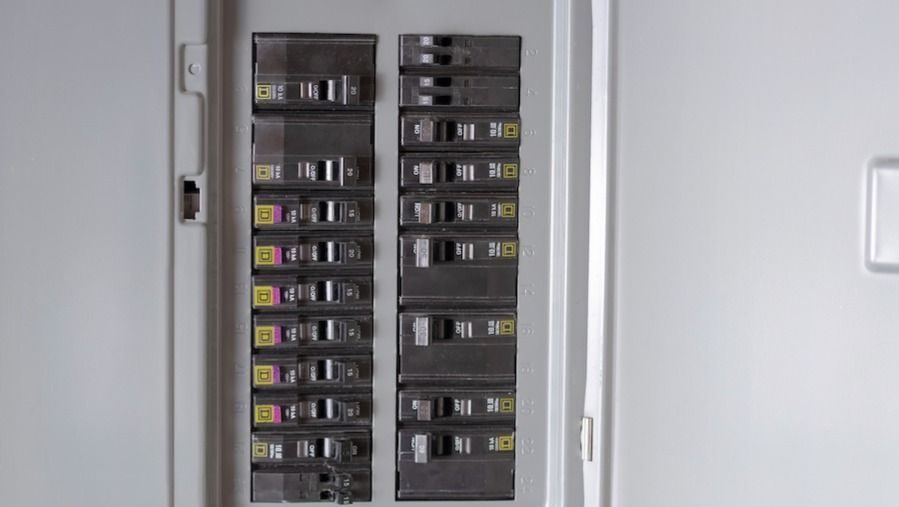
For an electric water heater, turn off the power at the circuit breaker.
For a gas water heater, turn the thermostat to the “pilot” setting or follow the manufacturer’s shutdown instructions.
This step helps reduce the risk of electrical shock, equipment damage, or burns during the process.
Step 2: Turn Off the Cold Water Supply
Locate the cold water supply valve at the top of the water heater and turn it off. This stops new water from entering the tank while you prepare to drain it.
Step 3: Connect a Garden Hose
Attach one end of a garden hose to the drain valve at the bottom of the water heater tank.
Place the other end in a bucket, floor drain, or safe outdoor drainage area. Make sure the hose is secure so hot water does not leak or spray.
Step 4: Open the Drain Valve
Carefully open the drain valve using a flathead screwdriver if needed. Let the water flow through the hose.
The water may be very hot, so wear gloves and safety goggles. Keep children and pets away from the drainage area.
Step 5: Open the Pressure Relief Valve
Open the pressure relief valve at the top or side of the tank to help water flow more freely. This allows air into the tank and can help the water drain faster.
Use caution. If the valve is old, stuck, or leaking, stop and call a professional.
Step 6: Flush the Tank
Once the initial water drains, turn the cold water supply back on for a few minutes. This helps stir up sediment at the bottom of the tank and flush it out through the hose.
Continue flushing until the water runs clearer and appears free of debris.
Step 7: Close the Valves
After the water runs clear, close the drain valve and remove the garden hose. Close the pressure relief valve and make sure all valves are secure.
Check around the drain valve and pressure relief valve for leaks.
Step 8: Refill the Tank
Turn the cold water supply back on and allow the tank to refill.
Open a hot-water faucet inside the home to release trapped air in the plumbing lines. Once water flows steadily from the faucet, turn it off.
Step 9: Restore Power or Gas
For an electric water heater, turn the power back on at the circuit breaker only after the tank is full. Turning power on too early can damage heating elements.
For a gas water heater, return the thermostat to the desired setting according to the manufacturer’s instructions.
After the system heats back up, check again for leaks or unusual operation.
Can You Flush a Water Heater Yourself?
Yes, some homeowners can flush a water heater themselves if they are comfortable working around hot water, valves, hoses, and power or gas shutoffs.
However, DIY flushing is not right for every situation. You should call a professional if:
- The water heater is leaking
- The drain valve will not open or close
- The pressure relief valve appears damaged
- The tank has not been flushed in many years
- The water drains very slowly or not at all
- You notice rust-colored water
- You are unsure how to safely turn off power or gas
- The unit is old or already having performance issues
Professional maintenance can help prevent mistakes and identify other issues before they become expensive problems.
What Problems Can Happen During a Water Heater Flush?
A few common problems can occur during or after flushing.
- Slow drainage: Heavy sediment buildup can block the drain valve and slow water flow.
- Leaking drain valve: Older drain valves may not close properly after flushing.
- No hot water afterward: This may happen if power or gas was not restored correctly, the pilot light went out, or an electric unit was turned on before the tank refilled.
- Rusty water: Rust-colored water may point to corrosion inside the tank or worn components.
- Persistent noise: If popping or rumbling continues after flushing, sediment may be severe or another issue may be present.
If these problems happen, it is best to call a plumber for water heater repair.
How Can You Maintain a Water Heater Between Flushes?
Flushing is important, but it is only one part of water heater maintenance.
Homeowners can help protect their system by:
- Checking for leaks: Look around the base of the tank and nearby connections.
- Watching for rust or discoloration: Rusty hot water can signal corrosion.
- Listening for unusual sounds: Rumbling or popping may mean sediment is building up.
- Keeping the area clear: Make sure the water heater has enough space around it for airflow and service access.
- Monitoring water temperature: Many homeowners keep the thermostat around 120 degrees for comfort, safety, and efficiency.
- Scheduling annual maintenance: A professional can inspect the anode rod, valves, connections, burner or heating elements, and overall system condition.
What Is the Anode Rod, and Why Does It Matter?
The anode rod helps protect the inside of a tank-style water heater from corrosion. It is often called a sacrificial rod because it corrodes before the tank lining does.
If the anode rod wears out completely, the tank becomes more vulnerable to rust and leaks. Inspecting and replacing the anode rod when needed can help extend the life of the water heater.
This is usually a job for a professional plumber during routine maintenance.
When Should You Call a Professional for Water Heater Maintenance?
You should call a professional if your water heater has not been serviced in the past year, shows signs of leaking, makes unusual noises, produces rusty water, or fails to provide enough hot water.
Professional maintenance is also recommended if you are uncomfortable flushing the system yourself or if your unit is older and may have worn valves or corrosion.
For Charleston and Greenville homeowners, routine water heater maintenance can help improve efficiency, reduce repair risks, and extend the system’s life.
Preferred Home Services: Water Heater Maintenance in Charleston and Greenville
Flushing a water heater can help extend its life and improve efficiency, but it must be done safely and correctly. If you prefer professional help or notice any warning signs during the process, Preferred Home Services is here to help.
Our team provides water heater maintenance, repair, replacement, and installation services for homeowners in Charleston and Greenville. Whether your system needs a routine flush, inspection, repair, or full replacement, our experienced technicians can help keep your hot water system running smoothly.
Contact Preferred Home Services today to schedule water heater service in Charleston or Greenville.
![Three men in collared shirts pose and thumbs-up in front of a green backdrop branded with 'Preferred Home Services'.]](https://www.gopreferred.com/wp-content/uploads/2026/08/proud-to-be-family-owned-6140.jpg)