Serving Charleston, Greenville, & Columbia Areas






Trusted by 7928+ Customers
Why Water Heater Maintenance Is Essential for Charleston Homes in Winter

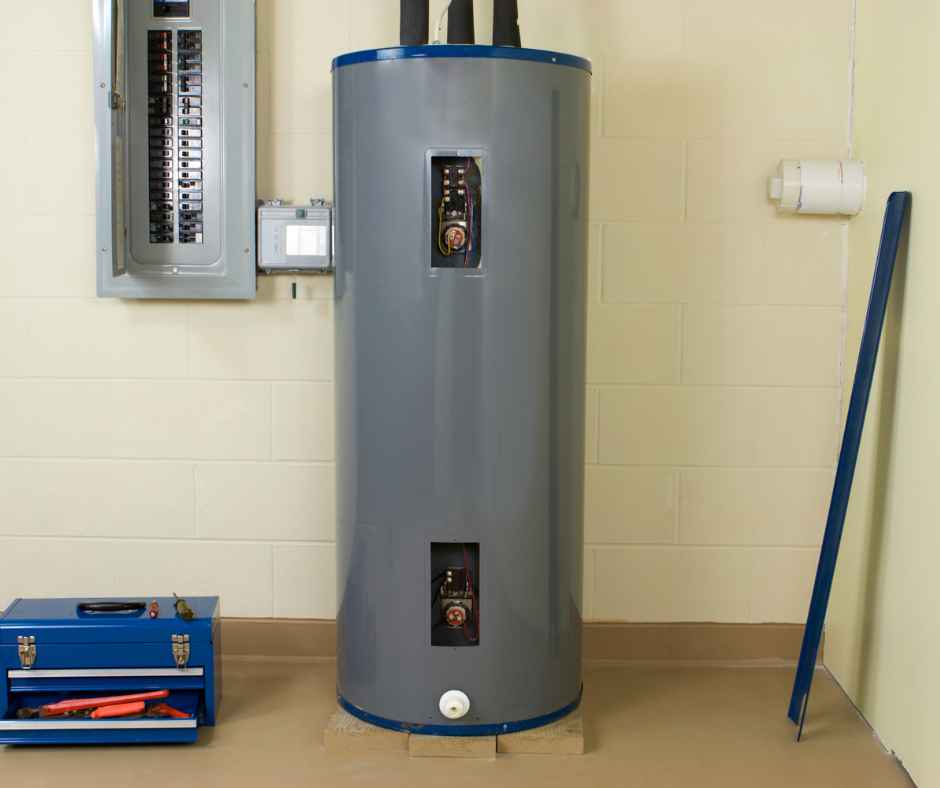
Charleston homeowners rely on their water heaters every day for cooking, cleaning, and bathing. When winter arrives, even mild temperature drops can place extra strain on the system and reduce its ability to deliver consistent hot water. Many homeowners do not realize how important it is to prepare their water heaters for colder months or how much regular maintenance can improve performance and reliability.
In this blog, we will explain why winter water heater maintenance is essential for Charleston homes and how proper care can prevent breakdowns, lower energy costs, and keep your household comfortable throughout the season.
How Charleston’s Winter Climate Affects Water Heaters
Charleston’s winters are generally mild, but even small drops in temperature can create noticeable changes in how your water heater performs. When outdoor temperatures cool, the water entering your home becomes significantly colder. This forces the water heater to work harder to warm the supply to your preferred temperature. The added workload increases energy use and accelerates wear on internal components.
Charleston’s coastal climate also plays a role. Higher humidity levels can contribute to corrosion, especially in older water heater tanks. Salt in the air near coastal areas can affect metal components and reduce the lifespan of the system. Sudden temperature fluctuations, which are common during the winter season, cause expansion and contraction within the tank and piping, placing additional stress on seals and joints.
Because water heaters already support daily household needs, the added strain of winter conditions makes maintenance especially important. A properly maintained unit can recover more quickly, deliver consistent temperatures, and operate efficiently even when incoming water temperatures drop.
Key Reasons Water Heater Maintenance Is Essential in Winter
Winter places added demands on water heaters in Charleston homes, making routine maintenance more important than ever. When temperatures drop, your system must work harder to heat colder incoming water and maintain reliable output. Without proper care, efficiency declines and the risk of unexpected breakdowns increases. Regular maintenance helps ensure your water heater can handle seasonal challenges while supporting the comfort and daily routines of your household.
Essential reasons to schedule winter water heater maintenance include:
- Improved efficiency because clean components and proper adjustments help the system heat water faster with less energy.
- Reliable hot water supply, which is especially important during colder months when demand increases.
- Extended equipment lifespan since regular inspections prevent small issues from developing into major damage.
- Better performance that reduces fluctuations in temperature and improves recovery time between uses.
- Enhanced safety through checks on pressure relief valves, thermostats, and electrical or gas connections.
- Reduced repair costs because maintenance can identify worn parts or sediment buildup before they cause system failure.
These benefits make winter water heater maintenance a crucial step in protecting your home and ensuring consistent comfort throughout the season.
Common Winter Water Heater Problems Charleston Homeowners Face
Winter weather magnifies existing issues in water heaters and can create new problems if the system has not been properly maintained. Even though Charleston does not experience extreme cold, the seasonal shift is enough to strain your water heater and affect its ability to deliver dependable hot water.
The most common winter water heater problems include:
- Slow hot water recovery due to colder incoming water that requires more time and energy to heat.
- Inconsistent temperatures which can result from thermostat issues, sediment buildup, or failing heating elements.
- Sediment accumulation that hardens and interferes with heat transfer, reducing efficiency and increasing the risk of tank damage.
- Unusual noises, such as popping or rumbling caused by sediment reacting to heat at the bottom of the tank.
- Increased energy consumption as the system works harder to maintain the desired temperature in cooler conditions.
- Premature wear and corrosion, made worse by Charleston’s coastal humidity which can deteriorate metal components.
Left unaddressed, these issues can make your water heater less efficient, more costly to operate, and more prone to breakdowns during winter. Routine maintenance helps catch these problems early and ensures your system is ready to handle seasonal changes.
Warning Signs Your Water Heater Needs Attention
Identifying early warning signs can help prevent water heater failures during Charleston’s winter months. Even small changes in performance can indicate developing issues that become more noticeable when temperatures drop. Monitoring your system throughout the season makes it easier to schedule service before a minor problem turns into a costly repair.
Common warning signs that your water heater needs maintenance or repair include:
- Low hot water volume which may point to sediment buildup, a failing heating element, or a tank that cannot recover properly in colder weather.
- Rust-colored or cloudy water which may indicate corrosion inside the tank or problems with the anode rod.
- Strange noises such as banging, rumbling, or popping which often result from hardened sediment reacting to heat.
- Water temperature fluctuations that suggest thermostat issues or failing internal components.
- Visible leaks around the base of the tank which can signal pressure problems or deteriorating seals.
- Longer wait times for hot water which often appear when the system is struggling to heat colder incoming water.
If you notice any of these signs, it is important to address the issue promptly. Early repairs or adjustments can prevent larger problems and help your water heater operate efficiently through the winter season.
What Professional Water Heater Maintenance Includes
Professional water heater maintenance is designed to address the added stress colder temperatures place on your system. A trained technician can identify developing issues, improve efficiency, and ensure your water heater is ready for winter. This level of care helps extend the lifespan of the unit and provides more consistent hot water throughout your home.
During a maintenance visit, a professional typically performs the following tasks:
- Flushes the tank to remove sediment buildup that reduces efficiency and slows hot water recovery.
- Inspects the anode rod, which protects the tank from corrosion and must be replaced periodically.
- Checks the thermostat and heating elements to confirm they are functioning correctly and maintaining the desired temperature.
- Tests the pressure relief valve to ensure it opens and closes safely under pressure changes.
- Examines electrical or gas connections for safety issues, wear, or improper combustion.
- Evaluates the tank for signs of corrosion or leaks, which are often more noticeable during winter.
- Inspects supply lines and shut-off valves to ensure they are secure and operating properly.
- Reviews temperature settings to optimize comfort while preventing overheating.
These steps ensure that your water heater can handle winter conditions efficiently and provide safe, reliable hot water when your household needs it most.
Benefits of Routine Water Heater Care in Charleston Homes
Regular water heater maintenance offers several advantages that become especially valuable during the winter months in Charleston. As temperatures drop and incoming water grows colder, the system must work harder to meet your household’s needs. Routine care helps ensure your water heater operates efficiently, reliably, and safely throughout the season.
Key benefits of routine maintenance include:
- Lower energy costs because a clean, efficient system heats water more quickly and uses less power.
- Reliable hot water availability even on colder days when demand for hot water increases.
- Fewer unexpected repairs since maintenance helps identify worn components before they fail.
- Longer system lifespan by reducing strain on the tank, heating elements, and thermostat.
- Improved water quality as sediment removal prevents discoloration and protects internal components.
- Quiet operation due to reduced sediment buildup and smoother heating performance.
These long-term benefits make maintenance a worthwhile investment for any homeowner. A well-maintained system performs better, lasts longer, and keeps your home comfortable throughout Charleston’s winter season.
Keeping Your Water Heater Ready for Winter in Charleston
Winter may be mild in Charleston, but even small drops in temperature can place added strain on your water heater. Preparing your system for the season through routine maintenance is one of the most effective ways to ensure reliable hot water, lower energy costs, and long-term system performance. By understanding the signs of trouble, completing preventive steps, and scheduling professional inspections, you can keep your home comfortable and avoid unexpected breakdowns during the colder months.
Regular maintenance protects your investment, improves efficiency, and extends the life of your water heater. Whether your home uses a traditional tank system or a tankless unit, seasonal care helps the heater work at its best despite colder incoming water and increased winter demand.
Contact us today at Preferred Home Services for expert water heater maintenance, seasonal tune-ups, and reliable winter plumbing support that keeps your Charleston home comfortable all winter long.
Frequently Asked Questions
How often should I flush my water heater in a coastal climate like Charleston?
Most homeowners benefit from flushing the tank once per year. Coastal humidity and minerals in the water can accelerate sediment buildup, making annual flushing especially important.
Does a tankless water heater need winter maintenance too?
Yes. Tankless units require maintenance to remove scale, inspect heating elements, and ensure proper flow rates. They also benefit from winter readiness checks because colder incoming water can affect performance.
Can insulating my water heater really lower energy bills in winter?
Yes. Insulation helps reduce heat loss and keeps the unit from overworking when temperatures drop. This can lower energy use and improve recovery time.
What temperature should I set my water heater to during winter?
A setting of around 120 degrees Fahrenheit is recommended for safety and efficiency. Raising the temperature higher increases energy use and the risk of scalding without significant benefits.
Is it normal for my water heater to make noise when the weather turns colder?
Some noise can occur due to sediment reacting to heat or the tank adjusting to temperature changes. Persistent popping or rumbling, however, signals a need for professional maintenance.