Serving Charleston, Greenville, & Columbia Areas





Trusted by 7928+ Customers
High Winter Heating Bills in Greenville: Is It Time for Furnace Repair or Replacement?
Winter in Greenville, South Carolina, may be milder than in northern states, but chilly nights and occasional freezing temperatures can still send heating bills climbing. If you’ve noticed a significant increase in your energy costs, you might wonder whether your furnace is working harder than necessary or if it’s time to consider replacing an aging system.
Higher winter heating bills aren’t always a sign of furnace trouble, but declining efficiency, worn components, and neglected maintenance can drive unnecessary energy use. Understanding the difference between normal seasonal increases and actual equipment problems can help you make an informed decision.
In this guide, we’ll explore why heating bills rise during Greenville winters, how to spot furnace problems, and when repairing or replacing your heating system is the better investment.
Why Do Heating Bills Increase During Greenville Winters?
When outdoor temperatures drop, your furnace must run longer to keep your home comfortable. Even in Greenville’s relatively moderate winter climate, extended cold periods can increase heating demand and energy consumption.
However, weather isn’t the only factor affecting your monthly utility bills. Thermostat settings, household occupancy, and energy prices can also drive higher costs.
Common reasons for increased winter heating expenses include:
-
Colder outdoor temperatures: Your furnace operates longer to compensate for increased heat loss.
-
Higher thermostat settings: Keeping indoor temperatures warmer requires more energy.
-
Poor insulation: Heat escapes through inadequately insulated attics, walls, and other areas.
-
Air leaks: Drafty windows, doors, and other openings allow conditioned air to escape.
-
Rising utility rates: Higher electricity or natural gas prices can increase bills without changes in consumption.
-
Furnace performance issues: Certain mechanical problems can reduce heating efficiency.
Before assuming your furnace needs replacement, compare your energy consumption with previous months and similar winter periods. Look at the amount of electricity or natural gas used, not just the total bill, to see whether your system is using more energy.
What Furnace Problems Can Cause Higher Heating Bills?
Several furnace problems can affect heating performance and may increase energy consumption. Some issues are easy to fix, while others require professional diagnosis and repair.
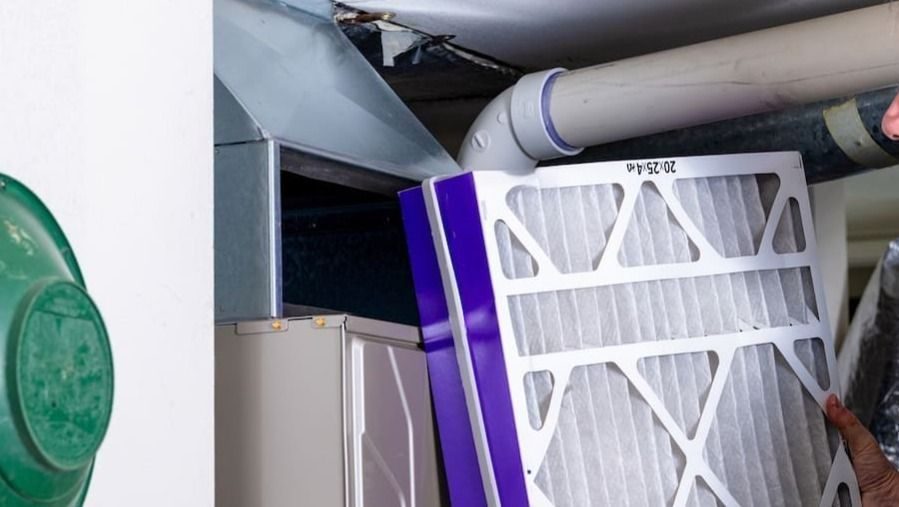
A dirty air filter is one of the most common maintenance concerns. When airflow becomes restricted, the furnace may struggle to distribute heated air effectively throughout your home.
Thermostat problems can also affect how the system operates. Incorrect temperature readings or malfunctioning controls may cause unnecessary heating cycles or prevent the furnace from maintaining consistent temperatures.
Other potential problems include:
-
Blower motor issues: Reduced airflow can affect comfort and how heat is distributed.
-
Ductwork leaks: Heated air may escape before reaching the intended rooms.
-
Ignition or combustion problems: Malfunctions can affect heating performance and may create safety concerns.
-
Dirty or neglected components: Certain maintenance issues can interfere with normal operation.
-
Control system problems: Faulty components may cause irregular heating cycles.
Not every furnace malfunction directly increases fuel consumption. However, problems affecting airflow, heating output, or system controls can reduce efficiency and create uncomfortable indoor temperatures.
If your heating bills have increased unexpectedly and your furnace isn’t performing normally, professional inspection can help identify the cause.
What Are the Warning Signs Your Furnace Needs Repair?
A rising utility bill may indicate furnace trouble, but other warning signs can help you decide when you need professional service.
Pay attention to how your heating system sounds, operates, and distributes warmth throughout your home. Changes in normal performance may indicate developing mechanical problems.
Common signs that your furnace may need repair include:
-
Unusual banging, rattling, squealing, or grinding noises.
-
Frequent starting and stopping during heating cycles.
-
Weak airflow from supply vents.
-
Uneven temperatures between rooms.
-
Difficulty reaching the thermostat’s temperature setting.
-
Repeated shutdowns or trouble starting.
-
Unexpected increases in heating energy consumption.
For example, a furnace that frequently turns on and off may have a restricted airflow, a thermostat issue, or another problem affecting normal operation.
Similarly, inconsistent temperatures could result from ductwork problems, airflow limitations, or heating equipment concerns.
Certain warning signs require immediate attention. If you suspect a gas leak, leave the building and contact your gas utility or emergency services from a safe location.
If a carbon monoxide alarm sounds, evacuate immediately and contact emergency services. Never troubleshoot gas-burning components or keep operating equipment suspected of creating a dangerous condition.
When Does Furnace Replacement Make More Sense Than Repair?
Not every furnace problem requires a new heating system. In many situations, professional repairs can restore reliable operation and extend the equipment’s useful life. However, replacement may make more sense when an aging furnace breaks down repeatedly or requires increasingly expensive repairs.
Furnaces often operate for about 15 to 20 years, though actual service life varies with equipment quality, installation, use, and maintenance. If your furnace is approaching this age range, it may be worth evaluating replacement options, particularly if performance has declined.
Several factors can influence the decision:
Age and Overall Condition
A relatively new furnace with one repairable problem may have many years of useful operation remaining. An older system with multiple deteriorating components may present a different financial picture.
Repair Frequency
Occasional repairs are normal for mechanical equipment. However, repeated service calls can indicate that additional problems may develop.
Repair Costs
A manageable repair may be worthwhile, especially when the equipment remains in good condition. Major repairs involving expensive components may make replacement more attractive.
Heating Performance
If your furnace consistently struggles to maintain comfortable temperatures despite repairs, replacing it may let you address ongoing performance concerns.
Ultimately, furnace age alone shouldn’t determine your decision. A professional evaluation can help determine whether repairs will provide dependable heating or whether replacement offers better long-term value.
How Do You Compare Furnace Repair and Replacement Costs?
Choosing between furnace repair and replacement involves more than comparing the immediate prices of both options. Homeowners should also consider future operating expenses, reliability, and the expected remaining life of the equipment.
For example, repairing a relatively new furnace may be the most economical solution when the problem is isolated and other components remain in good condition.
However, repeated repairs on an aging furnace can become expensive, especially as major components begin to deteriorate.
When comparing your options, consider the following questions:
-
How much will the current repair cost?
-
Has the furnace required frequent repairs recently?
-
How many years of reliable service might remain?
-
Is the equipment still operating efficiently?
-
Are replacement parts readily available?
-
Does an existing warranty cover the repair?
-
Would a new system address ongoing comfort problems?
A replacement furnace also represents a larger upfront investment. Installation costs vary based on equipment efficiency, system capacity, ductwork requirements, and other property-specific factors.
Instead of relying on a universal repair-versus-replacement formula, consider your system’s overall condition and the financial implications of each option.
Can a New Furnace Actually Lower Your Heating Bills?
Replacing an older furnace with a more efficient model may reduce fuel consumption, but actual savings depend on several factors.
One important measurement is Annual Fuel Utilization Efficiency, commonly called AFUE. This rating shows how efficiently a furnace converts fuel into usable heat over a typical heating season.
For example, an 80% AFUE furnace converts approximately 80% of its fuel energy into usable heat. A 95% AFUE furnace converts about 95% of its fuel energy into usable heat.
A higher AFUE rating generally indicates greater fuel-use efficiency. However, that doesn’t automatically translate into a specific reduction in your utility bill. Actual savings depend on your existing furnace’s efficiency, local energy prices, thermostat settings, heating demand, and installation quality.
Proper equipment sizing is also essential. An incorrectly sized furnace can create comfort and performance problems regardless of its efficiency rating. Greenville homeowners considering replacement can use a professional heating load calculation to determine the right system capacity.
What Can Greenville Homeowners Do to Reduce Heating Costs?
Before investing in major furnace repairs or replacement, consider whether basic maintenance and home efficiency improvements could help reduce heating expenses.
Small changes can make a meaningful difference, especially if your furnace runs normally but your home loses heat through insulation gaps or air leaks.
Start with these practical steps:
-
Replace dirty air filters: Follow manufacturer recommendations to maintain proper airflow.
-
Adjust thermostat settings: Avoid unnecessarily high temperatures when heating demand is greatest.
-
Seal air leaks: Address drafts around windows, doors, and other accessible openings.
-
Improve insulation: Adequate attic and wall insulation can reduce heat loss.
-
Keep vents unobstructed: Avoid blocking supply and return vents with furniture.
-
Schedule professional maintenance: Routine inspections can catch performance issues early.
-
Evaluate ductwork: Leaky or poorly insulated ducts may waste conditioned air.
These improvements can support heating efficiency without requiring immediate equipment replacement.
However, if your furnace continues operating inefficiently or struggles to heat your home, professional diagnostics can help determine whether a mechanical problem needs attention.
Get Expert Furnace Repair or Replacement Help From Preferred Home Services
High winter heating bills can be frustrating, but they don’t automatically mean you need a new furnace. Colder weather, poor insulation, rising utility rates, and repairable equipment problems can all drive up energy costs.
At Preferred Home Services, we help homeowners throughout Greenville and surrounding Upstate South Carolina communities address furnace performance concerns and explore appropriate heating solutions. Whether your system needs professional repairs, routine maintenance, or replacement, understanding its condition is the first step toward making a confident decision.
If your furnace runs constantly, struggles to maintain comfortable temperatures, or drives up heating bills, don’t wait for a complete breakdown. Contact Preferred Home Services today to schedule a professional furnace evaluation and find the right solution for your Greenville home.
![Three men in collared shirts pose and thumbs-up in front of a green backdrop branded with 'Preferred Home Services'.]](https://www.gopreferred.com/wp-content/uploads/2026/08/proud-to-be-family-owned-6140.jpg)