Serving Charleston, Greenville, & Columbia Areas






Trusted by 7995+ Customers
Why Your Travelers Rest Home Has Cold Spots in Winter: When to Repair or Replace Your Heat Pump

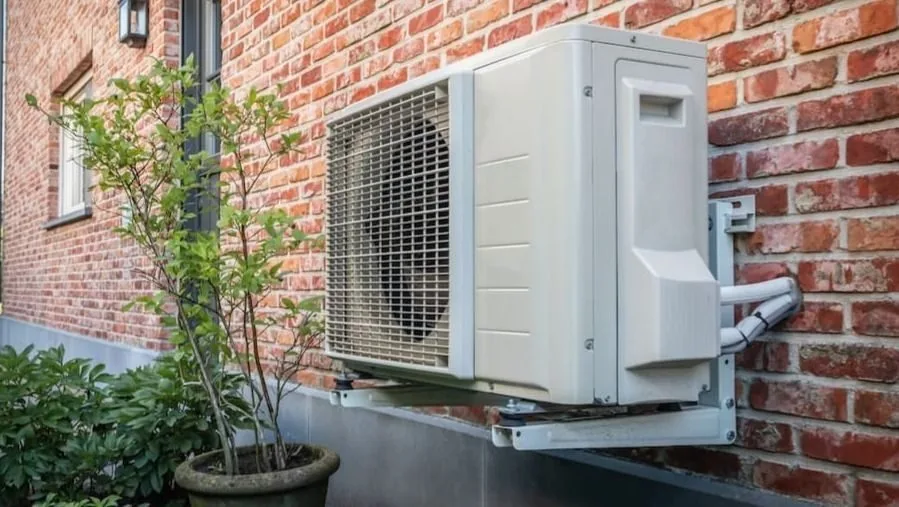
Winter in Travelers Rest, South Carolina, can bring chilly mornings, freezing temperatures, and noticeable changes in indoor comfort. While your living room might feel perfectly warm, an upstairs bedroom, bonus room, or another part of your home may remain frustratingly cold. If your heat pump is running but certain rooms never reach a comfortable temperature, you may wonder whether something is wrong with your heating system.
Uneven heating can develop for several reasons, including restricted airflow, leaking ductwork, poor insulation, or declining heat pump performance. Some problems can be resolved with simple adjustments or professional repairs, but others may indicate your equipment is nearing the end of its useful life.
In this guide, we’ll explain why Travelers Rest homes develop cold spots during winter, how to recognize heat pump problems, what you can safely check yourself, and when repairing or replacing your heating system makes the most sense.
Why Does Your Travelers Rest Home Have Cold Spots in Winter?
Cold spots occur when certain areas of your home receive less heat or lose warmth faster than other rooms. Even when your heat pump is operating correctly, differences in airflow, insulation, and home design can create noticeable temperature variations.
For homeowners in Travelers Rest and surrounding Greenville County communities, winter temperature changes can make these problems more noticeable. Rooms that feel comfortable during mild weather may become difficult to heat when outdoor temperatures drop.
Common causes of uneven heating include:
-
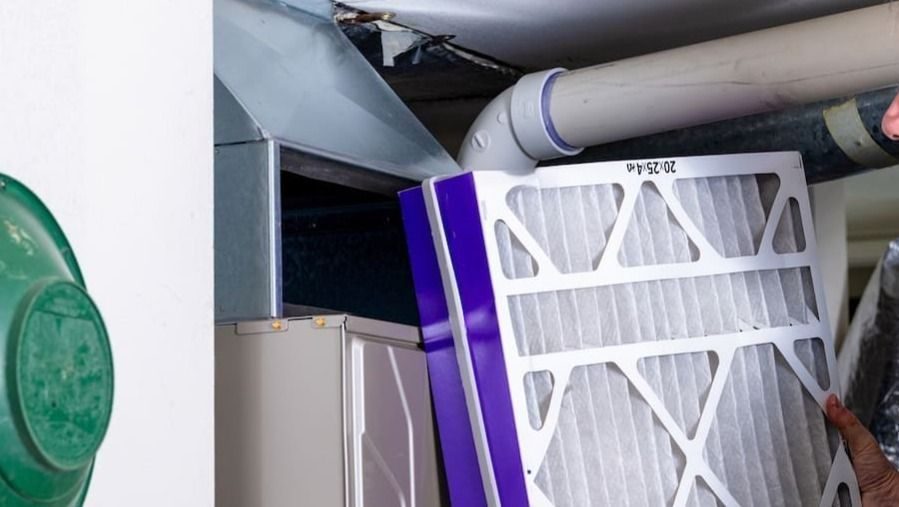
Dirty air filters: Restricted airflow can reduce the amount of heated air reaching certain rooms.
-
Blocked vents: Furniture, rugs, or other objects may interfere with air circulation.
-
Leaky ductwork: Heated air can escape before reaching its intended destination.
-
Poor insulation: Heat may escape through inadequately insulated walls, ceilings, or floors.
-
Drafty windows and doors: Outdoor air can enter the home and lower room temperatures.
-
Thermostat placement: A thermostat may reach its set temperature before distant rooms become comfortable.
-
Unbalanced airflow: Some rooms may receive more conditioned air than others.
-
Heat pump problems: Mechanical or electrical issues may reduce heating performance.
Two-story homes, finished bonus rooms, and rooms located above garages can be particularly susceptible to temperature differences. Their location, insulation, and distance from the HVAC equipment may influence how effectively they retain heat.
Before assuming your heat pump needs replacement, identify whether the problem involves the equipment itself or how heat moves through your home.
Could Your Heat Pump Be Causing Uneven Heating?
Although cold spots aren’t always caused by a malfunctioning heat pump, equipment problems can contribute to inconsistent indoor temperatures. When a heat pump struggles to produce or distribute enough warmth, rooms farther from the system may become especially uncomfortable.
Several mechanical and operational issues can affect heating performance. Some are relatively straightforward to repair, while others require more extensive professional attention.
Potential heat pump problems include:
-
Dirty indoor or outdoor coils: Buildup can interfere with efficient heat transfer.
-
Restricted airflow: Dirty filters or blower problems may reduce circulation.
-
Refrigerant leaks: Low refrigerant can reduce heating capacity and overall system performance.
-
Malfunctioning blower components: Air may not circulate properly throughout the home.
-
Faulty sensors or controls: The system may operate incorrectly or inconsistently.
-
Defrost system problems: Excessive frost may interfere with outdoor heat transfer.
-
Auxiliary heat malfunctions: Supplemental heating may not operate when needed.
-
Improper system sizing: Equipment may struggle to meet the home’s heating requirements.
For example, a malfunctioning blower can reduce airflow even when the heat pump is producing adequate heat. Similarly, refrigerant problems may prevent the system from transferring enough heat into your home.
Refrigerant leaks require professional diagnosis and repair. Simply adding refrigerant without addressing the underlying problem isn’t an appropriate long-term solution.
If multiple rooms are becoming colder or your system struggles to maintain the thermostat setting, scheduling professional heat pump repair in Travelers Rest can help identify the cause.
Is It Normal for a Heat Pump to Struggle During Cold Weather?
Heat pumps operate differently from traditional furnaces, which can sometimes make their winter behavior confusing. Instead of generating heat through combustion, an air-source heat pump transfers heat from outdoor air into your home.
Modern heat pumps can extract heat from outdoor air even when temperatures fall below freezing. However, heating capacity and efficiency vary by equipment and outdoor conditions.
During colder weather, your heat pump may run longer to maintain comfortable indoor temperatures. The air coming from your vents may also feel cooler than air from a conventional furnace, even when the system is heating properly.
Another normal winter function is the defrost cycle. When frost accumulates on the outdoor coil, the system may temporarily reverse operation to remove it.
During this process, the outdoor fan may stop, and the system may produce visible steam as ice melts. Some systems use auxiliary heat to maintain indoor comfort during defrost.
However, excessive ice buildup that doesn’t clear, repeated system shutdowns, or an inability to maintain indoor temperatures may indicate a problem.
If your heat pump consistently blows cool air, struggles to heat the house, or relies unusually heavily on auxiliary heat, you may need a professional evaluation.
What Can You Check Before Calling for Heat Pump Repair?
Not every heating problem requires immediate equipment replacement or extensive repairs. Several simple checks can help Travelers Rest homeowners identify common issues affecting winter comfort.
Start by observing whether the cold spots are limited to one room or occur throughout the house. This distinction can help determine whether the problem involves airflow distribution or overall heating performance.
Try these safe troubleshooting steps:
-
Inspect your air filter: Replace a dirty filter according to the manufacturer’s recommendations.
-
Check thermostat settings: Confirm the system is set to heating mode and the desired temperature.
-
Examine supply and return vents: Make sure furniture, rugs, and other objects aren’t blocking airflow.
-
Look for drafts: Check windows, doors, and other areas where outdoor air may enter.
-
Observe the outdoor unit: Look for excessive ice accumulation or obvious obstructions.
-
Compare room temperatures: Identify whether the same areas remain cold throughout the day.
-
Listen for unusual noises: Note new grinding, rattling, buzzing, or other unfamiliar sounds.
Avoid opening electrical compartments, handling refrigerant, or attempting internal heat pump repairs. These tasks require appropriate training and equipment.
If basic troubleshooting doesn’t resolve the problem, a professional HVAC technician can evaluate system performance, airflow, and potential ductwork issues.
When Should You Schedule Professional Heat Pump Repair?
Some heating problems become more noticeable as outdoor temperatures fall. A heat pump that performs adequately during mild weather may struggle when winter heating demand increases.
If your Travelers Rest home continues to develop cold spots despite basic troubleshooting, a professional diagnosis can help determine whether the issue involves the heat pump, ductwork, thermostat, or another component.
Warning signs that deserve professional attention include:
-
Persistent cold spots: Certain rooms remain uncomfortable despite normal thermostat settings.
-
Inadequate heating: The system cannot maintain the desired indoor temperature.
-
Frequent short cycling: The heat pump repeatedly starts and stops.
-
Unusual noises: Grinding, rattling, or other unfamiliar sounds develop.
-
Excessive ice buildup: The outdoor unit remains heavily iced over.
-
Higher electricity bills: Energy consumption increases without an obvious explanation.
-
Repeated system errors: Thermostat alerts or equipment faults continue appearing.
-
Unusual auxiliary heat operation: Supplemental heating runs more frequently than expected.
These symptoms don’t necessarily mean your heat pump needs replacement. A faulty sensor, airflow restriction, or damaged component may be responsible.
Professional troubleshooting helps identify the actual problem before you invest in unnecessary equipment changes. Promptly addressing issues can also reduce the risk of additional wear on the heating system.
When Is Heat Pump Replacement Better Than Another Repair?
While many heat pump problems can be repaired, there comes a point when replacing an aging system may offer better long-term value. The decision should consider equipment age, repair history, efficiency, and overall performance.
Many residential heat pumps operate for approximately 10 to 15 years, although actual service life varies with maintenance, installation quality, and operating conditions. A well-maintained system may remain dependable beyond that range, while another may develop significant problems earlier.
Consider replacement when major components fail, repair costs keep accumulating, or the system no longer provides dependable heating and cooling.
For example, an aging heat pump with repeated compressor problems may be a stronger replacement candidate than a relatively new system with a faulty thermostat. The expected cost of future repairs should also factor into the decision.
Modern heat pumps may provide improved energy efficiency, temperature control, and heating performance compared with older equipment. However, actual savings depend on the existing system, installation quality, household energy use, and operating conditions.
Proper equipment sizing is especially important. An oversized or undersized heat pump can contribute to comfort problems, inefficient operation, and unnecessary wear.
Remember that replacing the heat pump won’t automatically eliminate cold spots caused by leaking ductwork, poor insulation, or inadequate airflow. A complete HVAC evaluation can help determine whether additional improvements are necessary.
How Can You Prevent Uneven Heating in Your Travelers Rest Home?
Preventing winter cold spots often requires a combination of heat pump maintenance and improvements to the home’s air distribution system. Keeping equipment operating efficiently matters, but so does ensuring heated air reaches every room.
Replace air filters regularly according to manufacturer recommendations, and keep supply and return vents unobstructed. These simple habits help maintain proper airflow throughout the heating season.
Scheduling professional heat pump maintenance can also help identify developing problems before they affect winter comfort. During an appropriate service visit, a technician can evaluate equipment operation and identify components that may need attention.
For homes with persistent temperature differences, ductwork inspection may reveal leaks, restrictions, or airflow imbalances. Addressing insulation deficiencies and sealing drafts can also help rooms retain warmth more effectively.
Travelers Rest homeowners should pay particular attention to bonus rooms, upstairs bedrooms, and spaces above garages where heating challenges may be more noticeable.
A whole-home approach to comfort can provide better results than focusing exclusively on the heat pump.
Restore Winter Comfort With Preferred Home Services
Cold spots can make winter uncomfortable, but they don’t always mean your heat pump is failing. Restricted airflow, ductwork problems, insulation deficiencies, and equipment malfunctions can all contribute to uneven heating throughout your Travelers Rest home.
At Preferred Home Services, we understand how important dependable heating is for homeowners throughout Travelers Rest and Greenville County. Whether your heat pump needs professional repair, your home’s airflow requires attention, or you’re considering replacing an aging system, identifying the underlying problem is essential.
If certain rooms stay cold or your heat pump struggles to keep up with winter temperatures, contact Preferred Home Services today. Our team can help evaluate your heating concerns, explain your repair and replacement options, and recommend solutions for more consistent comfort throughout your home.