Serving Charleston, Greenville, & Columbia Areas





Trusted by 7939+ Customers
What Does a Sump Pump Do?
Homeowners in Charleston and Greenville understand the risks that water damage can pose to a property. In Charleston, frequent rains, coastal storms, and hurricane season can make homes especially vulnerable to flooding. In Greenville, heavy rain, sloped properties, clay-heavy soil, and crawl space moisture can also create drainage and foundation concerns.
One of the most effective ways to protect your home from water damage is by using a sump pump. If you’re wondering, “What does a sump pump do?” this guide will explain the function, benefits, and maintenance needs of sump pumps, along with why they are important for homeowners in both Charleston and Greenville
What is a Sump Pump?
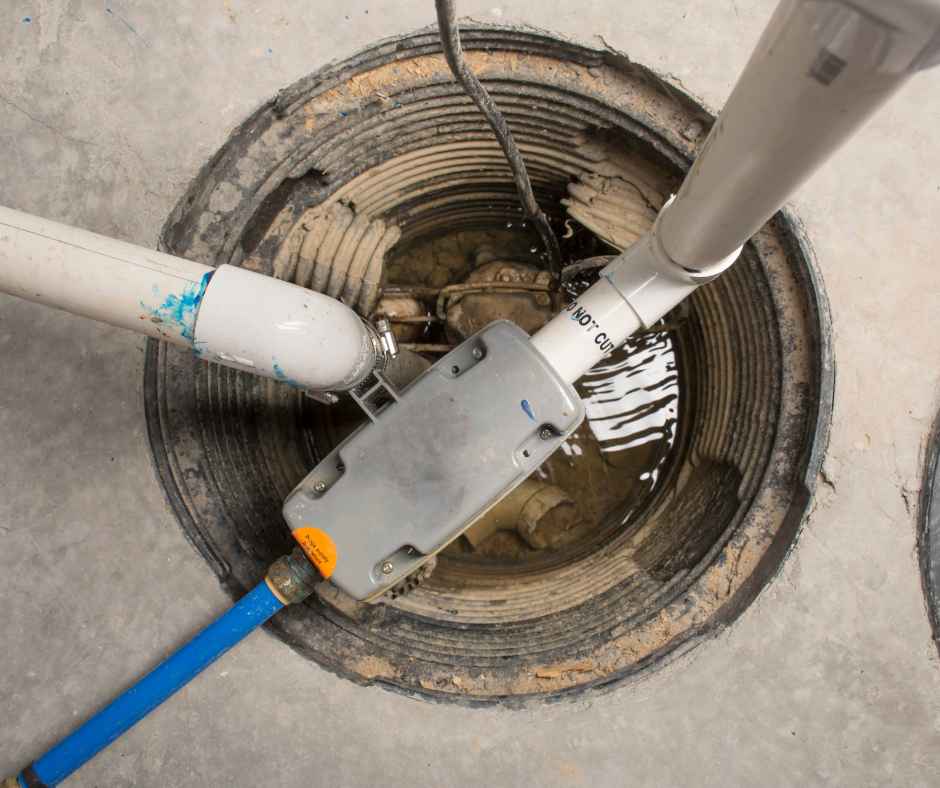
A sump pump is a specialized device installed in a basement or crawl space to help keep the area dry. Its main purpose is to prevent flooding by collecting excess groundwater and pumping it away from your home’s foundation.
Sump pumps are often installed in a sump basin, a small pit where water can collect. When the water level in the basin reaches a certain point, the sump pump activates and redirects the water away from your home.
For homes in Charleston and Greenville, this can be especially helpful in areas where water tends to collect around the foundation, under the home, or in low-lying parts of the property.
How Does a Sump Pump Work?
Sump pumps are designed to operate automatically when water levels reach a pre-set threshold. When heavy rain or high groundwater seeps toward your foundation, the sump pump turns on to prevent water from entering your basement or crawl space. Here’s a breakdown of the process:
- Water Collection: As rainwater or groundwater accumulates around your home’s foundation, it is directed into the sump basin through drains or natural groundwater flow.
- Activation: When the water in the sump basin reaches a certain level, the pump activates. Most sump pumps have a float switch that activates the pump when the water level rises.
- Pumping Water Away: The sump pump then pumps the water through a discharge pipe, directing it away from your home’s foundation. This helps prevent basement flooding and potential structural damage.
Why Are Sump Pumps Important for Charleston and Greenville Homes?
Charleston and Greenville homes can both benefit from sump pump protection, even though each area faces different moisture challenges.
In Charleston, homes may be exposed to coastal storms, heavy rainfall, high water tables, and hurricane-related flooding. Crawl spaces and low-lying areas can become damp quickly when drainage systems are overwhelmed.
In Greenville, homes may face water issues from heavy storms, hillside runoff, poor yard grading, clay soil, or moisture buildup in crawl spaces and basements. Even without coastal flooding, water can still collect around the foundation, causing long-term problems.
Some key reasons to consider a sump pump include:
- Flood prevention: Heavy rains can overwhelm a home’s drainage system. A sump pump provides added protection by moving water away from the foundation.
- Mold and mildew prevention: A damp basement or crawl space is an ideal environment for mold and mildew growth. Keeping these areas dry can help protect indoor air quality.
- Structural protection: Excess moisture can damage foundations, walls, support beams, and flooring systems. Redirecting water away from the home helps preserve structural integrity.
- Crawl space moisture control: Many South Carolina homes have crawl spaces, and a sump pump can be an important part of keeping that area dry.
- Peace of mind during storms: Whether you live near the coast in Charleston or farther inland in Greenville, a working sump pump can help protect your home during periods of heavy rain.
Types of Sump Pumps
Understanding the types of sump pumps available can help you choose the right one for your home. There are two main types of sump pumps:
- Pedestal Sump Pumps: These pumps are installed above the sump basin, making them easier to access for maintenance. They are often more affordable but tend to be noisier.
- Submersible Sump Pumps: Submersible pumps sit directly inside the sump basin, making them quieter and more efficient. These pumps are designed to handle higher water volumes and are ideal for areas prone to heavy flooding.
A professional plumber can evaluate your home’s layout, drainage concerns, and moisture risks to recommend the best option.
Sump Pump Maintenance Tips for Charleston and Greenville Homeowners
Regular sump pump maintenance is essential to ensure the system works when you need it most. This is especially important before rainy seasons, major storms, or long periods of wet weather.
Here are a few maintenance tips:
- Test the pump regularly: Pour water into the sump basin to trigger the float switch. If the pump activates and drains the water, it is working properly.
- Inspect the discharge pipe: Make sure it is clear of debris and directs water away from the home. A clogged or poorly positioned discharge line can prevent water from draining correctly.
- Clean the sump basin: Dirt, sediment, and debris can accumulate in the basin, reducing pump efficiency. Cleaning the basin helps prevent blockages.
- Check the power source: Make sure the pump is plugged into a grounded outlet. Inspect the power cord for damage and confirm the outlet is functioning properly.
- Consider a battery backup: Storms can cause power outages, which may stop a standard sump pump from working. A battery backup can provide extra protection during severe weather.
- Schedule annual professional maintenance: A plumber can inspect the pump, float switch, discharge line, check valve, and electrical connections to catch potential issues before they become emergencies.
When to Consider Sump Pump Installation
If your Charleston or Greenville home has a basement, crawl space, or recurring water accumulation around the foundation, it may be time to consider sump pump installation.
You may benefit from a sump pump if you notice:
- Standing water in your crawl space or basement
Musty odors indoors
Mold or mildew growth
Water stains on foundation walls
Soft or damp areas near the foundation
Frequent pooling in the yard after rain
Past flooding or storm-related water intrusion
A sump pump can provide peace of mind by helping protect your home from unexpected water damage and maintaining a drier, healthier living environment.
Contact Preferred Home Services for Sump Pump Installation and Maintenance
To make sure your sump pump is functioning properly, rely on the experts at Preferred Home Services. We provide professional sump pump installation, maintenance, and repair services for homeowners in Charleston and Greenville.
Whether your home is vulnerable to coastal storms, heavy rainfall, crawl space moisture, or foundation drainage problems, our team can help you choose and maintain the right sump pump solution.
Contact Preferred Home Services today for sump pump maintenance, repair, or installation in Charleston or Greenville.