Serving Charleston, Greenville, & Columbia Areas






Trusted by 7939+ Customers
How Long Do Water Heaters Last in Charleston and Greenville?
Reliable hot water is essential for any home in Charleston or Greenville. From morning showers to laundry, dishes, and nightly cleanups, a water heater is a crucial appliance in any household. However, like all appliances, water heaters have a limited lifespan.
For homeowners in Charleston and Greenville, understanding your water heater’s expected lifespan can help you avoid surprise breakdowns, plan for replacement, and keep your system running efficiently.
In this guide, we will explore the average lifespan of water heaters, factors influencing longevity, and signs that it may be time for repair or replacement.
Average Water Heater Lifespan
The lifespan of a water heater depends on the type of system you have.
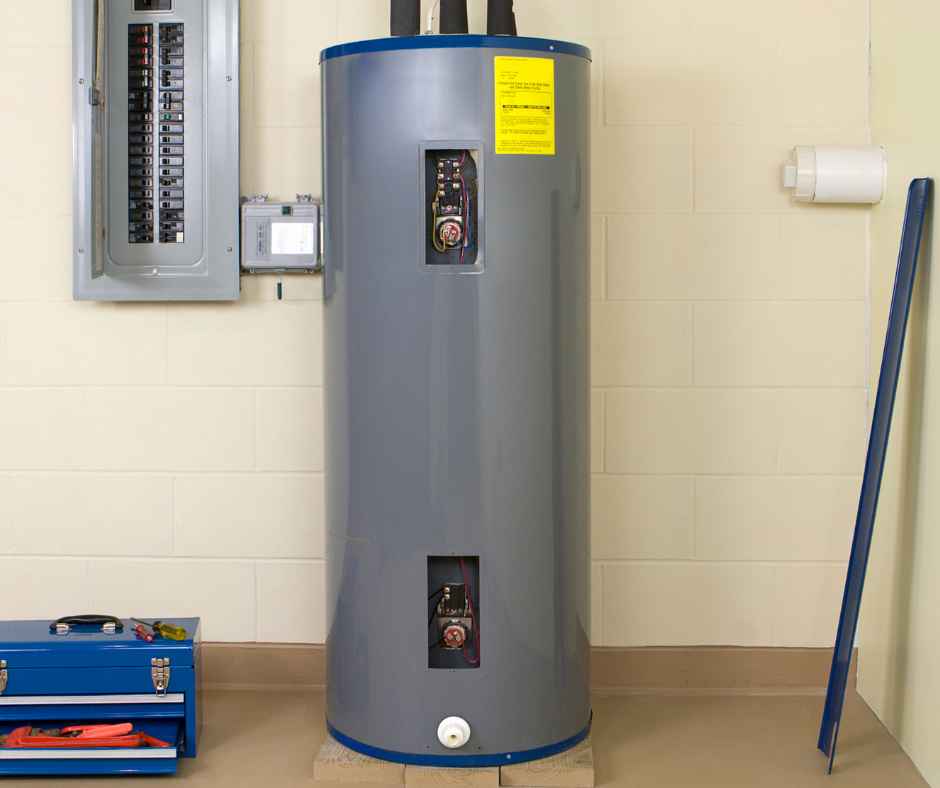
A traditional tank-style water heater usually lasts 8 to 12 years. These units store heated water in a tank, which means the tank is constantly exposed to water, minerals, pressure, and heat.
A tankless water heater can last up to 20 years because it heats water on demand instead of storing it. Since there is no large storage tank, there is less risk of tank corrosion and sediment-related damage.
A heat pump water heater usually lasts about 10 to 15 years. These systems are highly efficient, but their lifespan still depends on maintenance, installation conditions, and household hot water demand.
How Does Water Quality Affect Water Heater Lifespan?
Water quality can have a major impact on how long your water heater lasts.
Hard water contains minerals such as calcium and magnesium. Over time, these minerals can settle at the bottom of a tank-style water heater as sediment. That sediment makes the unit work harder, reduces efficiency, and can cause popping or rumbling sounds as the system heats water.
Sediment buildup can also cause the bottom of the tank to overheat, increasing wear and tear. This may shorten the system’s lifespan and lead to more frequent repairs.
Homes in both Charleston and Greenville can experience mineral buildup depending on local water quality and plumbing conditions. Annual flushing can help reduce sediment and support better performance.
What Maintenance Helps a Water Heater Last Longer?
Regular water heater maintenance can help extend the life of your system and reduce the risk of breakdowns.
Important maintenance tasks include:
- Flushing the tank: Tank-style water heaters should be flushed regularly to remove sediment buildup.
- Checking the anode rod: The anode rod helps protect the tank from rust. If it wears down, the tank becomes more vulnerable to corrosion.
- Inspecting for leaks: Small leaks can quickly become major water damage issues if ignored.
- Testing the pressure relief valve: This safety feature helps release excess pressure from the tank.
- Checking water temperature: A professional can make sure your water heater is set safely and efficiently.
- Inspecting electrical or gas components: Depending on the type of water heater, connections, burners, wiring, and controls should be checked for safe operation.
For many homeowners, annual professional maintenance is the best way to catch minor problems before they become expensive repairs.
Do Tankless Water Heaters Last Longer Than Tank Water Heaters?
Yes. Tankless water heaters usually last longer than traditional tank models.
A tank water heater stores hot water around the clock. That constant storage creates more opportunity for corrosion, sediment buildup, and tank wear.
A tankless water heater only heats water when you need it. Because it does not rely on a large storage tank, it can often last up to 20 years with proper maintenance.
However, tankless systems still need service. Scale buildup can affect performance, especially in homes with hard water. Routine descaling and professional inspections help protect efficiency and lifespan.
What Are the Signs Your Water Heater May Need Replacement?
Even with regular maintenance, every water heater eventually reaches the end of its useful life. If your system is older or showing performance problems, it may be time to consider repair or replacement.
Common warning signs include:
- Rusty or discolored hot water: Rust in your hot water may indicate corrosion in the tank or plumbing system.
- Inconsistent water temperature: If your water turns cold quickly or fluctuates between hot and lukewarm, the system may be struggling.
- Rising energy bills: Older water heaters often lose efficiency, which can increase monthly utility costs.
- Frequent repair needs: If you are calling for repairs again and again, replacement may be more cost-effective.
- Unusual noises: Popping, banging, or rumbling sounds can indicate sediment buildup inside the tank.
- Water around the unit: Leaks should always be taken seriously. A leaking tank often means replacement is needed.
- Not enough hot water: If your household regularly runs out of hot water, the unit may be undersized, aging, or failing.
Should You Repair or Replace Your Water Heater?
You should consider replacing your water heater if it is near the end of its expected lifespan, needs frequent repairs, leaks, or no longer provides reliable hot water.
Repair may make sense if the issue is minor and the unit is still relatively new. For example, a thermostat, heating element, valve, or pilot issue may be repairable.
Replacement may be the better choice if:
- Your tank water heater is over 10 years old
Your tankless system is approaching 20 years old
The tank is leaking
Repair costs are becoming frequent or expensive
Your energy bills are rising
Your hot water supply no longer meets your household’s needs
A professional plumber can inspect the system and help you compare repair costs against replacement value.
What Are the Benefits of Upgrading Your Water Heater?
Replacing an old water heater with a modern, energy-efficient model can improve comfort, reliability, and efficiency.
Benefits of upgrading include:
- Lower energy costs: Newer systems are designed to use energy more efficiently.
- More reliable hot water: A properly sized replacement can better support your daily household needs.
- Fewer repairs: New equipment typically requires fewer service calls than an aging system.
- Improved performance: Modern water heaters can recover faster, operate more efficiently, and provide better temperature consistency.
- Space-saving options: Tankless models take up less space than traditional tanks.
- Better long-term value: Upgrading before a major failure can help prevent emergency replacement and potential water damage.
For Charleston and Greenville homeowners, replacing an aging unit before it fails can provide peace of mind and help protect the home from unexpected leaks.
When Should Charleston and Greenville Homeowners Call for Water Heater Repair?
Call a professional plumber if your water heater is leaking, producing rusty water, making loud noises, failing to keep water hot, or causing unexplained increases in energy costs.
You should also schedule service if your water heater has not been maintained in the past year. Preventive maintenance can help identify worn parts, sediment buildup, corrosion, and other issues before they lead to system failure.
Prompt repair is especially important because small water heater issues can quickly become bigger problems. A minor leak, failing valve, or corrosion concern can lead to water damage if left unresolved.
How Can Homeowners Make a Water Heater Last Longer?
The best way to extend the water heater’s lifespan is to schedule regular maintenance and address problems early.
Homeowners can help protect their system by:
- Scheduling annual professional maintenance
- Flushing tank-style water heaters regularly
- Watching for rusty water or leaks
- Keeping the area around the unit clear
- Checking for unusual noises
- Avoiding overly high temperature settings
- Calling for repairs as soon as problems appear
- Considering water treatment if mineral buildup is an issue
A well-maintained water heater can often last longer and operate more efficiently than one that is ignored until something goes wrong.
Preferred Home Services: Water Heater Repair and Replacement in Charleston and Greenville
If you are wondering, “How long do water heaters last?” or you suspect your current system may be nearing the end of its lifespan, Preferred Home Services can help.
Our team provides professional water heater repair, maintenance, and replacement services for homeowners in Charleston and Greenville. Whether you have a traditional tank water heater, tankless water heater, or heat pump water heater, we can inspect your system, explain your options, and recommend the right solution for your home.
Do not wait for your water heater to fail unexpectedly. Contact Preferred Home Services today to schedule water heater repair, maintenance, or replacement in Charleston or Greenville.