Serving Charleston, Greenville, & Columbia Areas






Trusted by 7911+ Customers
How Do You Clear a Clogged Drain in Charleston and Greenville?

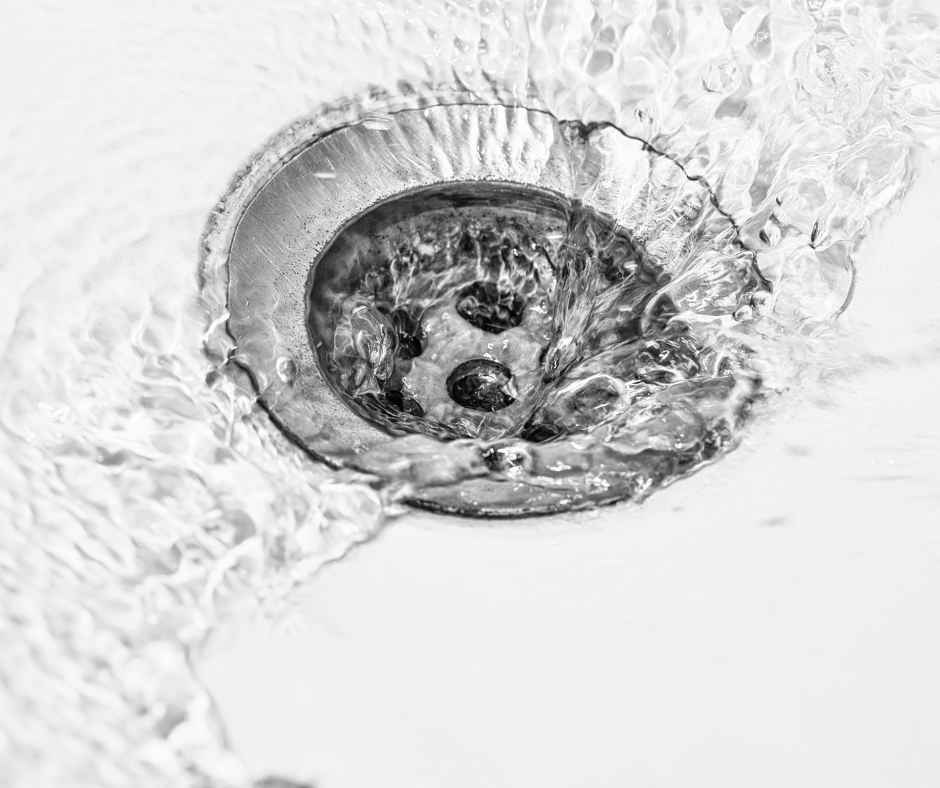
Are you tired of dealing with slow drains, standing water, or sinks that will not empty properly? Clogged drains are a common household problem, but many minor blockages can be cleared with the right approach.
So, how do you clear a clogged drain? Start by assessing the severity of the clog. Then try safe methods such as using a plunger, a drain snake, or a natural baking soda and vinegar solution. If the clog is stubborn, recurring, or affecting multiple drains, it is time to call a professional plumber.
For homeowners in Charleston and Greenville, keeping drains clear helps prevent backups, odors, water damage, and larger plumbing repairs.
What Causes a Drain to Clog?
A drain usually clogs when debris builds up inside the pipe, blocking water flow. The type of clog often depends on the drain.
Common causes include:
- Hair: Hair is one of the most common causes of clogs in bathroom sinks, tubs, and showers.
- Soap scum: Soap residue can combine with minerals and debris, creating buildup inside the pipe.
- Grease and oils: Kitchen drains often clog when grease cools, hardens, and sticks to the pipe walls.
- Food particles: Coffee grounds, rice, pasta, peels, and other scraps can accumulate and clog the system.
- Foreign objects: Small items, wipes, cotton swabs, and other non-flushable materials can block drains.
- Mineral buildup: Hard water minerals can narrow the inside of pipes over time.
In both Charleston and Greenville homes, daily use, older plumbing, heavy household demand, and buildup can all contribute to slow or clogged drains.
How Should You Assess a Clogged Drain?
Before trying to clear a drain, determine how serious the clog may be.
Ask yourself:
- Is only one drain slow, or are multiple drains affected?
- Is water draining slowly or not draining at all?
- Is water backing up into another fixture?
- Do you hear gurgling sounds?
- Do you smell foul odors from the drain?
- Has this same drain clogged before?
A single slow sink or tub may have a local clog near the fixture. Multiple slow drains may point to a deeper drain line or sewer line problem. If water is backing up, stop using the affected fixtures and call a plumber.
Can a Plunger Clear a Clogged Drain?
Yes. A plunger is one of the simplest and most effective tools for clearing many minor clogs.
To use a plunger:
- Add enough water to cover the bottom of the plunger cup.
- Place the plunger over the drain to create a tight seal.
- If the sink has an overflow opening, cover it with a wet cloth.
- Push and pull several times firmly.
- Remove the plunger and see whether the water drains.
- Repeat if needed.
A plunger works best for clogs close to the drain opening. If plunging does not improve drainage after a few attempts, the blockage may be deeper in the pipe.
When Should You Use a Drain Snake?
A drain snake, also called a plumber’s auger, can help clear clogs that are farther down the drain line. It is often useful for hair, soap scum, and debris that a plunger cannot dislodge.
To use a drain snake:
- Insert the snake into the drain.
- Push it forward slowly until you feel resistance.
- Rotate the handle to break up or hook the clog.
- Pull the snake back out carefully.
- Run hot water to help flush the pipe.
Do not force the snake. Pushing too hard can damage pipes or push the clog deeper. If the clog will not clear easily, call a professional.
Does Baking Soda and Vinegar Help Clear Drains?
Baking soda and vinegar may help with mild clogs and drain odors. This natural method is often used for light buildup or preventive maintenance.
To try it:
- Remove standing water from the sink or tub.
- Pour about one cup of baking soda into the drain.
- Follow with one cup of white vinegar.
- Let the mixture fizz for about 15 minutes.
- Flush the drain with hot water.
This method may help loosen minor residue, but it is not always strong enough to remove grease-heavy clogs, solid blockages, or deep drain-line issues.
Should You Use Chemical Drain Cleaner?
It is best to avoid harsh chemical drain cleaners when possible. While they may offer temporary relief, they can damage pipes, create strong fumes, and may not fully remove the blockage.
Chemical cleaners can be especially risky for older plumbing systems or when there are repeated clogs. If a clog keeps coming back, professional drain cleaning is a safer and more effective option.
What Should You Do if the Drain Still Will Not Clear?
If plunging, snaking, or natural solutions do not clear the drain, the clog may be deeper or more severe than it appears.
You should call a professional plumber if:
- The drain will not clear after DIY attempts
- Water backs up into the sink, tub, shower, or toilet
- Multiple drains are slow at the same time
- The clog keeps coming back
- There are foul odors from the drain
- You hear gurgling sounds
- Standing water remains in the fixture
- You suspect a main sewer line issue
A professional plumber has the tools to clear stubborn clogs safely and determine whether there is a larger plumbing problem.
How Can You Prevent Future Drain Clogs?
Preventing clogs is easier than dealing with backups later.
Helpful drain maintenance tips include:
- Use drain strainers: Catch hair, food, and debris before they enter the drain.
- Keep grease out of kitchen drains: Let grease cool and throw it in the trash instead.
- Run hot water after using the sink: This can help rinse away light residue.
- Avoid problem foods: Coffee grounds, rice, pasta, eggshells, and fibrous peels can clog drains.
- Clean drain stoppers regularly: Hair and soap scum often collect around bathroom sink and tub stoppers.
- Schedule professional drain cleaning when needed: Routine cleaning can help prevent recurring issues.
- For Charleston and Greenville homeowners, proactive drain care can help reduce plumbing emergencies and keep fixtures draining properly.
Is Professional Drain Cleaning Worth It?
Yes. Professional drain cleaning is worth it when a clog is stubborn, recurring, or affecting multiple fixtures.
DIY methods may clear part of a blockage, but professional service can remove buildup more thoroughly. A plumber can also identify whether the issue is caused by grease, hair, pipe damage, tree roots, or a deeper sewer line problem.
Professional drain cleaning can help:
- Restore proper water flow
- Reduce odors
- Prevent recurring clogs
- Protect your plumbing system
- Lower the risk of backups
- Identify hidden drain problems
Preferred Home Services: Drain Cleaning in Charleston and Greenville
If you are ready to say goodbye to slow drains, standing water, or recurring clogs, Preferred Home Services can help.
Our experienced plumbers provide professional drain cleaning services for homeowners in Charleston and Greenville. Whether the issue is a clogged kitchen sink, a slow bathroom drain, a blocked shower, or a deeper drain line problem, we can diagnose the issue and restore proper flow.
Do not let a clogged drain slow down your day. Contact Preferred Home Services today to schedule drain cleaning in Charleston or Greenville.
![Three men in collared shirts pose and thumbs-up in front of a green backdrop branded with 'Preferred Home Services'.]](https://www.gopreferred.com/wp-content/uploads/2026/08/proud-to-be-family-owned-6140.jpg)