Serving Charleston, Greenville, & Columbia Areas





Trusted by 7911+ Customers
What Is a Heat Pump and How Does It Work?
Between repair costs, energy usage, and the need to maintain separate heating and cooling systems, year-round home comfort can get expensive. That is why many homeowners in Charleston and Greenville consider heat pumps as an energy-efficient alternative.
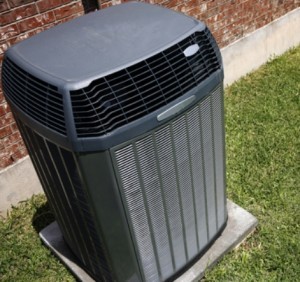
A heat pump is an all-in-one heating and cooling system. It can cool your home in the summer and heat your home in the winter by moving heat instead of generating it. Because South Carolina has relatively mild winters compared to many northern climates, heat pumps can be a practical and efficient option for many homes.
What Is a Heat Pump?
A heat pump is an HVAC system that provides both heating and cooling. Instead of using separate equipment for air conditioning and heating, a heat pump can handle both tasks with a single system.
There are several types of heat pumps, including:
- Ducted air-source heat pumps: These connect to ductwork and distribute conditioned air throughout the home.
- Ductless mini-split heat pumps: These provide heating and cooling without ductwork and are often used for additions, garages, bonus rooms, or homes without central ducts.
- Geothermal heat pumps: These transfer heat between the home and the ground.
- Absorption heat pumps: These are less common in residential settings and use a heat source such as natural gas, propane, or solar-heated water.
For many Charleston and Greenville homeowners, air-source heat pumps are the most common option.
How Does a Heat Pump Work?
A heat pump works by transferring heat from one place to another. It uses electricity and refrigerant to move heat rather than create heat directly.
This is similar to how a refrigerator works. A refrigerator removes heat from inside the appliance and releases it outside. A heat pump uses the same basic principle, but it can reverse the process depending on whether your home needs cooling or heating.
The main components include:
- Outdoor unit: Contains the compressor and outdoor coil.
- Indoor air handler: Moves conditioned air through the home.
- Refrigerant: Absorbs and releases heat as it circulates through the system.
- Reversing valve: Changes the direction of refrigerant flow, allowing the system to switch between heating and cooling.
- Expansion valve: Helps control refrigerant pressure and temperature.
How Does a Heat Pump Cool Your Home?
In cooling mode, a heat pump works much like a central air conditioner. It removes heat from inside your home and releases it outdoors.
Here is the basic cooling process:
- Warm indoor air is pulled into the air handler.
- The air passes over the indoor coil.
- Refrigerant inside the coil absorbs heat from the air.
- The cooled air is returned to the home.
- The heated refrigerant travels to the outdoor unit.
- The outdoor unit releases the heat outside.
- The refrigerant cools down and cycles back indoors.
This process repeats until the thermostat reaches the desired temperature.
In Charleston, cooling mode also helps remove moisture from indoor air, which is especially important during humid Lowcountry summers. In Greenville, cooling performance is important during long stretches of hot summer weather.
How Does a Heat Pump Heat Your Home?
In heating mode, a heat pump reverses the cooling process. Instead of moving heat from inside the home to outside, it pulls heat from outdoor air and moves it indoors.
Even when outdoor air feels cold, it can still contain heat energy. The heat pump captures that heat and transfers it into your home.
Here is the basic heating process:
- The reversing valve changes the direction of refrigerant flow.
- The outdoor coil absorbs heat from the outdoor air.
- Refrigerant carries that heat to the indoor air handler.
- The indoor coil releases heat into the home.
- The blower circulates warm air through the living space.
- The cycle repeats until the thermostat is satisfied.
This makes heat pumps especially useful in climates with milder winters, including much of South Carolina.
Are Heat Pumps Good for Charleston and Greenville?
Yes. Heat pumps can be a strong option for homes in both Charleston and Greenville because they provide efficient heating and cooling in one system.
In Charleston, heat pumps can help with both cooling and humidity management during long warm seasons. In Greenville, they can provide efficient cooling in the summer and dependable heating during cooler months.
Because heat pumps transfer heat rather than generate it through combustion, they can often operate efficiently and reduce the need for separate heating and cooling systems.
What Are the Benefits of a Heat Pump?
Heat pumps offer several advantages for South Carolina homeowners.
Lower Operating Costs
Heat pumps are often more energy-efficient than traditional heating systems because they move heat rather than create it. This can help lower operating costs, especially when the system is properly sized and maintained.
Heating and Cooling in One System
A heat pump provides year-round comfort from one unit. It cools your home in the summer and heats it in the winter, reducing the need for separate HVAC equipment.
Improved Energy Efficiency
Because heat pumps transfer heat rather than burn fuel to create it, they can deliver efficient comfort in many climates. This can reduce energy waste and support lower monthly utility costs.
Reduced Maintenance Compared to Multiple Systems
A heat pump still needs routine maintenance, but it can simplify home comfort by combining heating and cooling into one system.
Safer Operation
Heat pumps do not rely on combustion-based heating in the same way a furnace does. That can reduce certain combustion-related risks when compared with fuel-burning heating systems.
Long System Lifespan
With proper installation and routine maintenance, a heat pump can last for many years. Many systems can provide reliable comfort for around 10 to 15 years or longer, depending on usage, care, and operating conditions.
What Types of Homes Benefit From Heat Pumps?
A heat pump may be a good fit for your home if you want efficient year-round comfort and have the right layout, ductwork, or installation space.
Heat pumps may be especially helpful for:
- Homes replacing aging HVAC equipment
- Homes with high heating and cooling costs
- Homes needing both AC and heating upgrades
- Additions, garages, or bonus rooms
- Homes without existing ductwork, when using ductless mini-splits
- Homeowners interested in energy-efficient comfort
- Households looking to reduce reliance on separate systems
A professional HVAC technician can evaluate your home and recommend the best heat pump type and size.
What Is Auxiliary Heat on a Heat Pump?
Auxiliary heat, often shown as “AUX HEAT” on the thermostat, is a backup heating mode that provides extra support when the heat pump needs it.
Auxiliary heat may turn on during very cold weather, when the thermostat is raised several degrees at once, or when the heat pump cannot keep up with demand.
It is normal for auxiliary heat to run occasionally. However, if the AUX HEAT indicator is on frequently or constantly, it may mean the system is struggling, the thermostat settings need adjustment, or the heat pump needs service.
What Are the Signs a Heat Pump Needs Repair?
Even a reliable heat pump may need repair or maintenance over time. Catching problems early can help prevent bigger issues.
Watch for signs such as:
- Ice buildup on the system
- Restricted or weak airflow
- Strange noises
- The AUX HEAT indicator stays on often
- Unusual spikes in utility bills
- Uneven heating or cooling
- The system is short-cycling
- Air that feels too warm in cooling mode or too cool in heating mode
- Poor humidity control
- Unusual odors
If you notice these symptoms, schedule professional heat pump service before the issue worsens.
Why Is There Ice on My Heat Pump?
A small amount of frost can be normal during heating mode, and heat pumps have a defrost cycle to manage it. However, heavy ice buildup can indicate a problem.
Possible causes include:
- Restricted airflow
- Dirty coils
- Low refrigerant
- Faulty defrost controls
- Outdoor fan problems
- Blocked outdoor unit
- Sensor or control issues
If the unit is covered in ice or does not defrost properly, it should be inspected by an HVAC technician.
How Often Should a Heat Pump Be Maintained?
A heat pump should typically be serviced at least once a year, but twice a year is often recommended because the system works during both heating and cooling seasons.
Maintenance may include:
- Cleaning coils
- Checking refrigerant levels
- Inspecting electrical components
- Testing thermostat operation
- Checking airflow
- Inspecting the blower motor
- Testing defrost operation
- Cleaning or replacing filters
- Checking condensate drainage
- Inspecting ductwork or indoor heads
Routine maintenance helps improve efficiency, reduce breakdowns, and extend system life.
Is a Heat Pump Better Than a Traditional HVAC System?
A heat pump can be a better option for many homeowners who want efficient heating and cooling from a single system. However, the best choice depends on your home, comfort needs, energy goals, and existing equipment.
A heat pump may be the better option if:
- You want one system for heating and cooling
- You live in a mild to moderate winter climate
- You want to reduce energy use
- You are replacing both the AC and heating equipment
- You want ductless comfort for specific rooms
- You want efficient year-round performance
A traditional system may still make sense in some homes, especially if the home has specific heating demands, fuel preferences, or existing equipment considerations.
Preferred Home Services: Heat Pump Services in Charleston and Greenville
Whether you need heat pump installation, repair, replacement, or maintenance, Preferred Home Services can help. Our team provides professional heat pump services for homeowners in Charleston and Greenville.
We can evaluate your home, explain your options, and recommend a system designed for efficient year-round comfort. Whether your current system needs repair or you are interested in upgrading to a heat pump, our experienced technicians are ready to help.
Contact Preferred Home Services today to schedule heat pump service in Charleston or Greenville.
![Three men in collared shirts pose and thumbs-up in front of a green backdrop branded with 'Preferred Home Services'.]](https://www.gopreferred.com/wp-content/uploads/2026/08/proud-to-be-family-owned-6140.jpg)