Serving Charleston, Greenville, & Columbia Areas





Trusted by 7911+ Customers
Why Charleston Homeowners Face More Plumbing Emergencies in Colder Months
Charleston may be known for its mild winters, but even short bursts of cold weather can cause major problems for your plumbing system. When temperatures suddenly dip, pipes contract, water heaters work harder, and older plumbing materials are pushed to their limits.
Many Lowcountry homeowners are caught off guard each winter because they assume the region’s climate is too warm for cold-weather plumbing issues. Unfortunately, that assumption can lead to burst pipes, leaks, and unexpected repair bills when the temperature drops overnight.
In this blog, we’ll explore why plumbing emergencies are more common in Charleston during colder months, what makes Southern homes particularly vulnerable, and how a few preventive steps can keep your home safe, dry, and comfortable all season long.
How Charleston’s Climate Contributes to Winter Plumbing Problems
Charleston’s winters may be mild compared to other regions, but that’s exactly what makes local plumbing systems more vulnerable. Homes in the Lowcountry aren’t built for sustained cold, and even brief temperature drops can cause serious problems.
Here’s how Charleston’s climate contributes to more plumbing emergencies in colder months:
- Sudden Temperature Swings: Rapid temperature changes cause pipes to expand and contract, increasing stress on joints and seals. When water freezes inside a pipe, pressure builds until the pipe cracks or bursts.
- Occasional Freezes: Even a single overnight freeze can cause exposed pipes to freeze solid, especially in crawl spaces or along exterior walls. Once they thaw, leaks often appear suddenly.
- High Humidity and Condensation: Constant moisture exposure weakens metal pipes over time. When cold air meets humid conditions, condensation accelerates rust and corrosion.
- Older Plumbing Systems: Many Charleston homes have galvanized steel or cast iron pipes that are decades old. These materials are more likely to corrode and fail when exposed to cold temperatures.
- Homes Not Designed for Freezing: Because Charleston rarely experiences long-term freezes, many homes lack pipe insulation, leaving plumbing systems exposed to cold air in attics, basements, and crawl spaces.
These conditions combine to create a perfect storm for plumbing problems every winter. Understanding how Charleston’s weather impacts your pipes is the first step in preventing costly damage.
Common Plumbing Emergencies During Colder Months
When Charleston temperatures dip, your home’s plumbing system works harder to keep water flowing. The combination of cool weather, extra water use, and older pipes often leads to plumbing emergencies that catch homeowners by surprise.
Here are some of the most common cold-weather plumbing problems in the Lowcountry:
- Frozen or Burst Pipes: Even a brief overnight freeze can cause standing water in exposed pipes to solidify and expand, creating cracks or full pipe bursts once temperatures rise again.
- Water Heater Failures: Colder water entering the system forces your water heater to work overtime. Sediment buildup or aging components can lead to water heater leaks or total failure when you need hot water most.
- Clogged or Slow Drains: Cooler temperatures can cause grease, oils, and soap residue to harden in your drains, slowing water flow and increasing the risk of blockages.
- Sewer Line Backups: Heavy seasonal rainfall saturates the ground, allowing tree roots to invade weakened sewer lines. This can cause slow drains, foul odors, or wastewater backups.
- Leaking Outdoor Fixtures: Garden spigots, irrigation lines, and outdoor plumbing often go unprotected. When left exposed to cold air, they can crack or split, leading to leaks that waste water and increase bills.
These emergencies are common in Charleston’s colder months but are preventable with regular maintenance and early preparation. Knowing what to expect can help you take proactive steps before temperatures start to drop.
Why Southern Homes Are More Vulnerable
Many Charleston homes weren’t designed to withstand cold weather. While northern homes often include pipe insulation and frost protection, Southern construction focuses more on humidity control and ventilation. That design difference leaves plumbing systems exposed when temperatures suddenly fall.
Here’s why homes in Charleston and across the South face more winter plumbing issues:
- Minimal Pipe Insulation: Most homes have pipes running through unheated areas like crawl spaces, attics, and garages without proper insulation. When cold air settles in, those pipes freeze quickly.
- Plumbing in Exterior Walls: Builders often route pipes along outside walls to simplify installation. These pipes are the first to freeze when the temperature drops below 32°F.
- Crawl Space Exposure: Charleston’s high water table makes crawl spaces common, but they also leave plumbing exposed to cold, damp air that speeds up pipe corrosion.
- Limited Winterization Habits: Because the region rarely experiences prolonged freezes, many homeowners don’t drain outdoor faucets, insulate pipes, or run faucets overnight during cold spells.
- Older Building Standards: Historic homes built before modern plumbing codes may still use outdated materials that are more sensitive to temperature changes and pressure fluctuations.
Understanding these regional challenges helps homeowners take preventive action. Simple steps like insulating pipes and scheduling pre-winter plumbing inspections can make a major difference when the next cold snap hits.
How to Prevent Winter Plumbing Emergencies
A little preparation before cold weather arrives can save you from costly repairs later. Charleston homeowners can take several simple precautions to protect their plumbing systems from freezing temperatures, pressure buildup, and water damage.
Here are the best ways to prevent plumbing emergencies during the colder months:
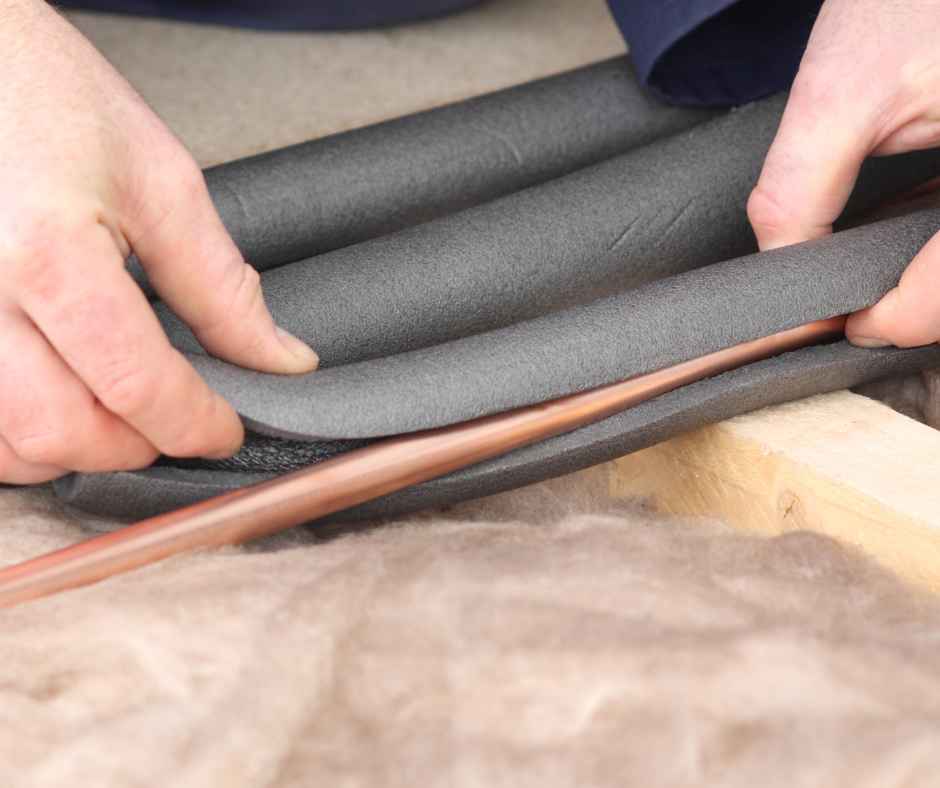
- Insulate Exposed Pipes: Add insulation sleeves or heat tape to pipes in crawl spaces, attics, garages, and along exterior walls. This helps maintain consistent temperatures and prevents freezing.
- Let Faucets Drip Overnight: When a freeze is expected, allow cold and hot water faucets to drip slightly. Continuous water flow helps relieve pressure inside the pipes.
- Disconnect Outdoor Hoses: Remove hoses from spigots and shut off water to exterior faucets. Drain irrigation lines to prevent expansion and cracking.
- Flush the Water Heater: Sediment buildup reduces efficiency and increases stress on the unit during colder months. Flushing your water heater helps maintain performance and extends its lifespan.
- Check for Leaks and Weak Spots: Look for dripping faucets, damp spots, or condensation on pipes. Addressing small leaks before winter can prevent major bursts later.
- Open Cabinet Doors: On especially cold nights, open kitchen and bathroom cabinets to let warm air circulate around plumbing fixtures.
- Schedule a Professional Inspection: Have a licensed plumber inspect your home’s plumbing before winter sets in. Professionals can identify vulnerable areas and recommend targeted upgrades or repairs.
Preventive maintenance is the key to avoiding mid-winter emergencies. A few proactive steps now can save you time, money, and stress when the temperatures drop.
The Role of Professional Maintenance
While DIY prevention goes a long way, professional plumbing maintenance is the most reliable way to protect your home during Charleston’s colder months. A licensed plumber can identify hidden weaknesses, check insulation, and make sure your system is ready for sudden temperature changes.
What Professional Winter Plumbing Maintenance Includes
- Pipe and Insulation Inspection: Technicians check exposed and interior pipes for cracks, corrosion, and weak spots, ensuring proper insulation throughout the home.
- Water Heater Service: A professional flushes sediment, checks the heating elements, and confirms your unit can handle heavier winter use.
- Leak and Pressure Testing: Detects hidden leaks or pressure buildup that could cause bursts when temperatures fluctuate.
- Outdoor Plumbing Protection: Ensures garden spigots, irrigation lines, and hose bibs are properly drained and insulated.
- System Efficiency Check: Evaluates water pressure, flow rates, and overall performance to reduce stress on older systems.
Why It Matters
Professional maintenance prevents small issues from turning into emergencies. It also helps extend the life of your pipes, fixtures, and water heater while improving efficiency and lowering utility costs.
Preferred Home Services offers comprehensive plumbing inspections and winter preparation services tailored to Charleston’s unique climate. Their team can help you find hidden vulnerabilities, reinforce weak spots, and ensure your plumbing system runs smoothly all winter long.
Protect Your Home Before Cold Weather Strikes
Charleston’s winter weather may seem mild, but even a few cold nights can lead to serious plumbing problems. Frozen pipes, burst lines, and water heater failures often happen when homeowners least expect them. The key to avoiding costly emergencies is preparation and professional maintenance before temperatures start to drop.
By insulating pipes, draining outdoor lines, and scheduling a seasonal plumbing inspection, you can protect your home from winter’s hidden risks. Taking these preventive steps now saves you time, money, and stress later in the season.
For dependable service and expert guidance, contact Preferred Home Services. Our experienced team understands Charleston’s unique climate and can help you prepare your plumbing system for colder months with confidence. Schedule your winter plumbing inspection today and keep your home safe, warm, and leak-free all season long.
Frequently Asked Questions About Winter Plumbing in Charleston
Can pipes really freeze in Charleston’s mild winters?
Yes. Even though Charleston rarely experiences long freezes, temperatures can still drop below 32°F overnight. Exposed pipes in crawl spaces, garages, or exterior walls are especially vulnerable to freezing and bursting.
What should I do if I think my pipes are frozen?
Turn off your home’s main water supply immediately to prevent a burst. Then open faucets slightly to relieve pressure. Avoid using open flames or high heat to thaw pipes—call a licensed plumber to safely restore water flow.
Why does my water heater struggle more in the winter?
Colder incoming water forces your water heater to work harder to reach your desired temperature. This extra strain can reveal issues like sediment buildup or failing heating elements, especially in older units.
Are outdoor faucets and hoses really a problem in cold weather?
Yes. Water left inside hoses or outdoor spigots can freeze, expand, and cause the connected pipe to crack. Always disconnect hoses, drain irrigation lines, and use insulated covers to protect outdoor fixtures.
How often should I schedule plumbing maintenance in Charleston?
For most homes, an annual plumbing inspection before winter is ideal. Older homes or properties with past plumbing issues may benefit from twice-yearly maintenance to stay ahead of potential problems.
![Three men in collared shirts pose and thumbs-up in front of a green backdrop branded with 'Preferred Home Services'.]](https://www.gopreferred.com/wp-content/uploads/2026/08/proud-to-be-family-owned-6140.jpg)